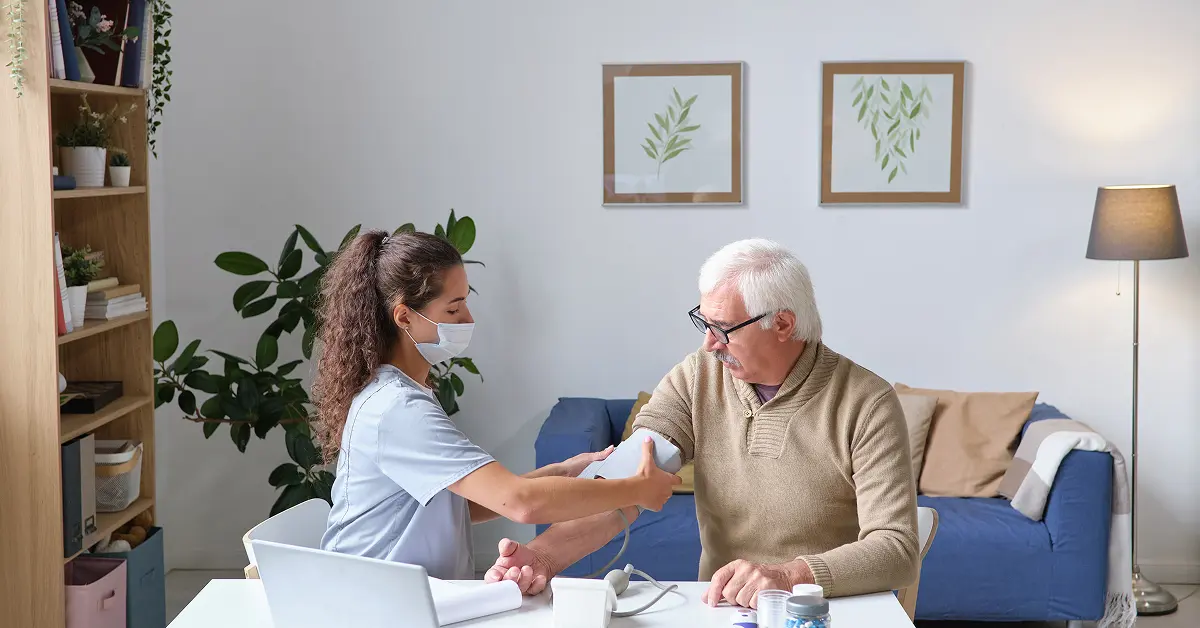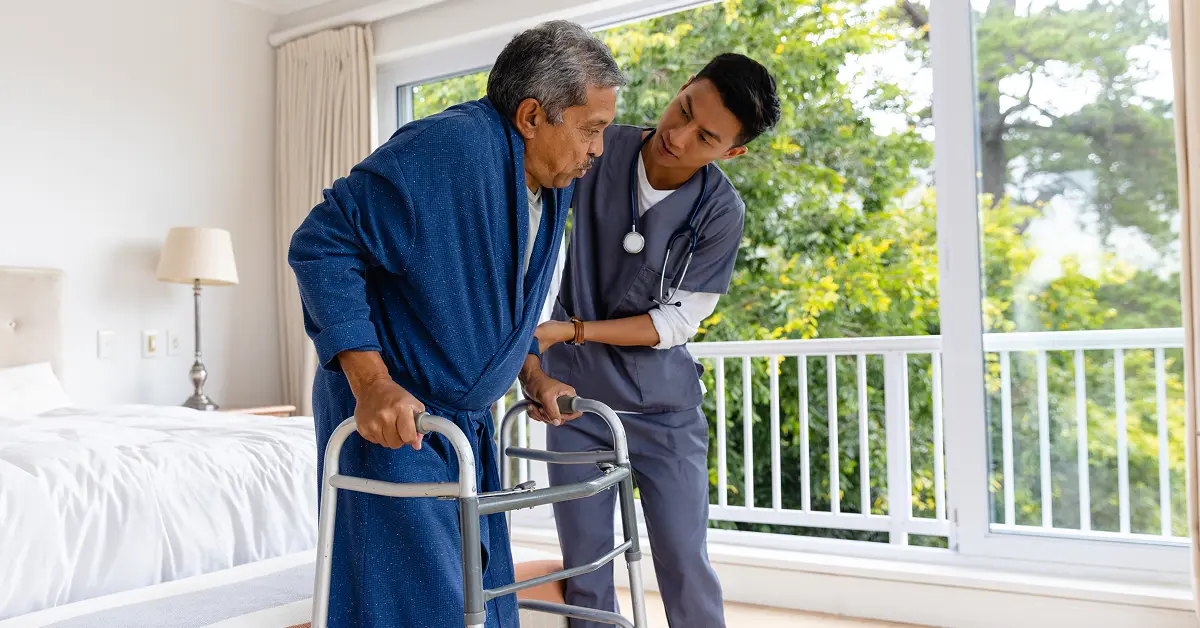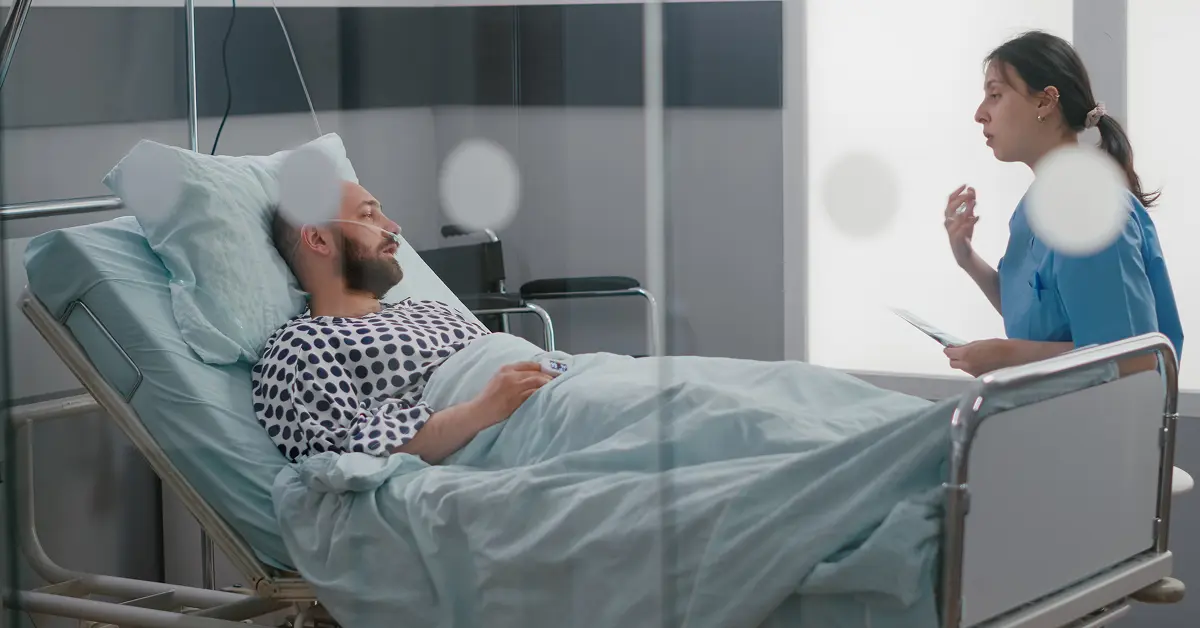
When a family member is discharged from the hospital, it's a moment of relief—but it also signals the beginning of a new chapter in their recovery journey. Home is where the healing continues, and preparing your space before they arrive can make a big difference in ensuring a smooth, safe, and comfortable transition. For Indian families, where caregiving is deeply personal and mostly home-based, taking proactive steps before discharge helps in avoiding readmissions and easing stress for both the patient and caregiver.
Let’s explore how you can prepare your home before your loved one arrives from the hospital.
Understand the Post-Discharge Needs
Before you begin preparing the house, have a detailed conversation with the medical team. Ask about:
- Medication schedule
- Physical therapy or nursing needs
- Dietary restrictions
- Equipment requirements (wheelchair, walker, oxygen support, etc.)
- Signs of possible complications
- Need for follow-up visits
In India, hospitals often discharge patients earlier due to resource constraints, placing a greater responsibility on families. Having this information ensures that your home setup matches the recovery plan.
Deep Clean the Home
A clean and hygienic environment is vital for post-discharge recovery, especially for patients with wounds, weakened immunity, or respiratory issues.
- Focus on bedrooms, bathrooms, and common areas.
- Disinfect high-touch surfaces like doorknobs, switches, and railings.
- Avoid strong chemical cleaners—opt for natural solutions or hospital-recommended disinfectants.
- Keep pets away from patient areas to reduce allergens and infections.
Hiring a professional home cleaning service or maid for a one-time deep clean is a wise decision in Indian households with busy routines.
Set Up a Dedicated Recovery Space
Your loved one will need a calm, comfortable space to rest and heal. Set up a room or corner with:
- A comfortable bed, preferably with an adjustable headrest or a hospital bed if advised
- Clean sheets and pillows
- Side table for medicines, water, and essentials
- Easily accessible call bell or mobile phone
- Curtains for privacy and good airflow
Make sure the space has good lighting for both day and night. In joint families, assigning one caregiver per shift helps in avoiding chaos.
Remove Hazards and Ensure Safety
Falls are among the most common post-discharge accidents, especially in elderly patients. Take preventive measures:
- Clear clutter and unnecessary furniture from walking paths
- Secure rugs and floor mats to prevent slipping
- Install handrails in bathrooms and stairs
- Place anti-skid mats in the bathroom and near the bed
- Ensure proper lighting in hallways and bathrooms at night
Arrange Medical Equipment and Supplies
Ask the doctor about home care tools and rent or buy them before discharge. Commonly needed items include:
- Wheelchair or walker
- Oxygen concentrator or nebuliser
- Hospital bed or bed backrest
- Blood pressure monitor, glucometer, thermometer
- Adult diapers, wound care kits, disposable gloves
In cities across India, many home healthcare companies offer medical equipment rentals with doorstep delivery.
Stock Up on Medicines and Essentials
Keep all prescribed medicines, dietary supplements, and wound care items ready before your loved one arrives. Organise them using a:
- Pill organiser box
- Medicine tray or labeled baskets
- A written chart for dosage, time, and food interactions
Also, keep emergency contacts, doctor prescriptions, and recent medical reports in a file within reach.
Plan for Diet and Nutrition
Post-hospital recovery often involves a specific diet, like high-protein meals, low-sodium food, or diabetic-friendly dishes.
- Speak to a dietician if needed for a meal plan
- Stock groceries and easy-to-cook ingredients
- Assign cooking responsibilities or hire a cook/maid
- Ensure the patient drinks clean, filtered water
In Indian homes, traditional foods like khichdi, soup, dal-rice, or soft fruits can aid digestion and healing.
Arrange for In-Home Medical Help
Depending on your loved one’s condition, you may need:
- A visiting nurse for dressing wounds, injections, or vitals
- A physiotherapist for mobility and strength
- A trained caregiver for assistance with daily activities
Several cities in India now offer home healthcare services, which can be booked on a daily, weekly, or long-term basis. It reduces hospital visits and offers professional monitoring within the comfort of home.
Prepare the Family and Caregivers
Discuss responsibilities with all household members. Involving everyone ensures:
- No gaps in caregiving
- Emotional support for the patient
- Reduced burnout for primary caregivers
If you're hiring a caregiver, explain cultural sensitivities, meal preferences, and religious practices, especially important in Indian families.
Emotional and Mental Well-Being
Recovering from illness isn’t just physical—it also takes an emotional toll. Many patients feel anxious, dependent, or depressed after discharge.
Create a healing environment by:
- Keeping the atmosphere calm and positive
- Encouraging social visits from close friends or relatives
- Playing soothing music or bhajans
- Setting up TV, books, or entertainment within easy reach
Celebrate small milestones in their recovery journey to keep their spirits high.
Track Progress and Follow-Up
Set reminders for follow-up appointments, diagnostic tests, or video consultations. Use tools like:
- WhatsApp groups with family for health updates
- A simple diary to note symptoms, appetite, sleep, etc.
- Mobile apps for medication and vitals tracking
Home visits from local doctors or teleconsultations are very useful in Tier 2 and Tier 3 towns where hospitals may be far away.
Final Thoughts
Preparing your home in advance gives your loved one a safe and peaceful environment to recover. For Indian families, where love and care are expressed through food, presence, and protection, a well-prepared home reflects deep commitment.
It is not just about setting up a bed or giving medicine on time—it’s about offering dignity, warmth, and stability during one of the most vulnerable phases of life.
So before your loved one returns from the hospital, take the time to transform your house into a sanctuary of healing. Because recovery begins at home—and nothing heals like being surrounded by family.
Contents
- Understand the Post-Discharge Needs
- Deep Clean the Home
- Set Up a Dedicated Recovery Space
- Remove Hazards and Ensure Safety
- Arrange Medical Equipment and Supplies
- Stock Up on Medicines and Essentials
- Plan for Diet and Nutrition
- Arrange for In-Home Medical Help
- Prepare the Family and Caregivers
- Emotional and Mental Well-Being
- Track Progress and Follow-Up
- Final Thoughts
Our 24*7 services
Latest Posts
- What Is Respite Care and Why Is It Important
- Affordable home care for senior citizens in India
- Caring for Seniors with Dementia or Alzheimer's at Home
- Senior Caregiving A Guide for Every Family
- How to Write a Caregiver Resume That Gets You Hired
- How Care After Hospital Discharge Speeds Up Recovery at Home
- How to Get Home Health Care for Seniors Through Medicare
- What Does a Senior Citizen Caregiver Really Do at Home
- How to Care for Elderly Parents with Alzheimer’s or Dementia
- How to Get 24-Hour Care for Seniors at Home