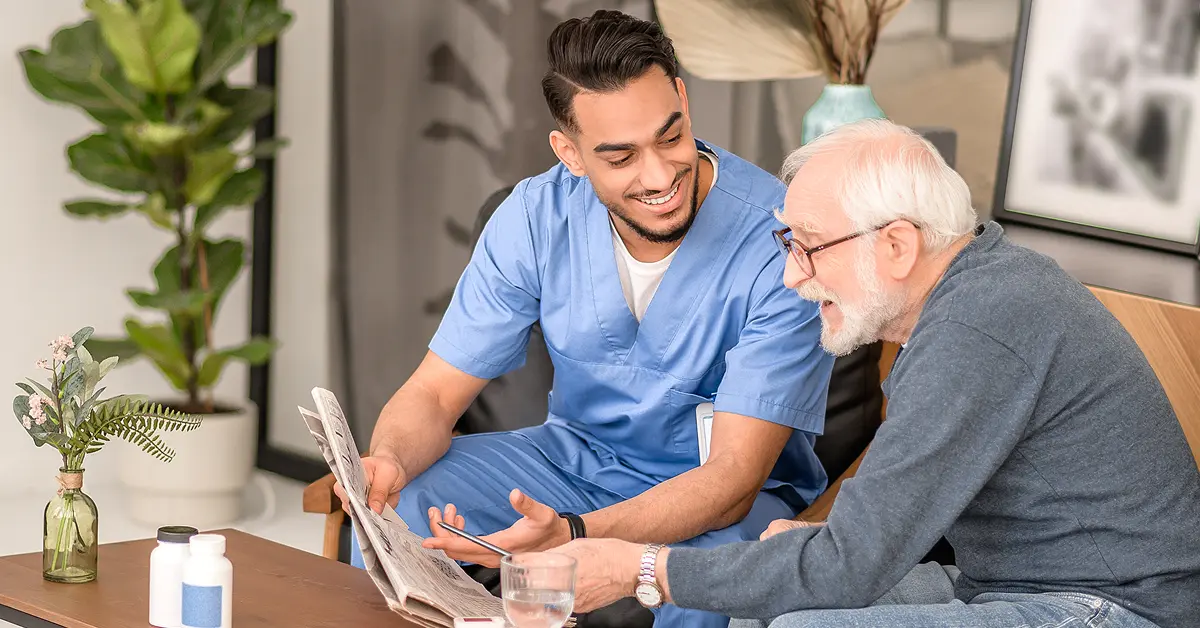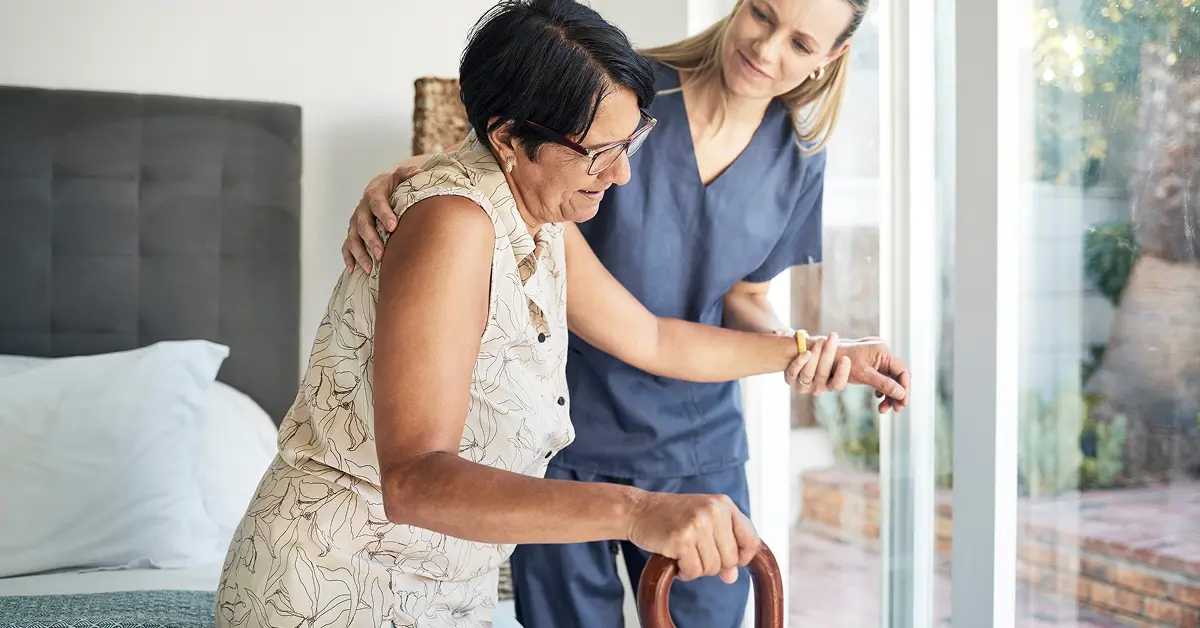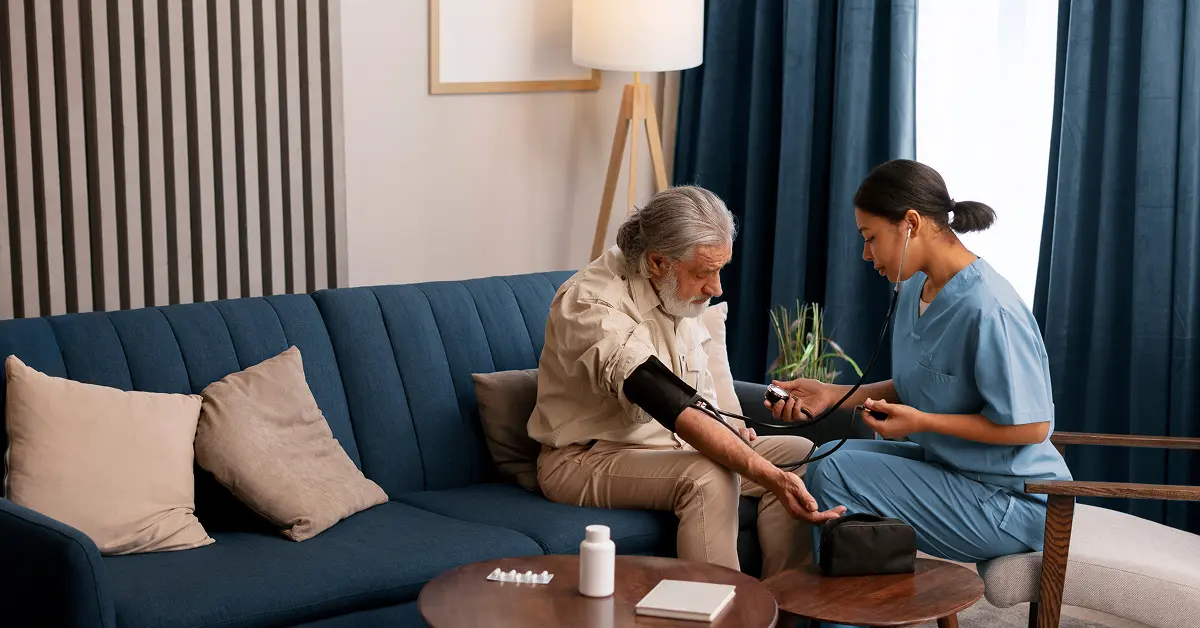
As healthcare continues to evolve in India, home Patient Care has become an essential part of recovery and wellness. From managing chronic illnesses to assisting in post-surgery rehabilitation, monitoring vital signs and diet at home plays a critical role in ensuring optimal health outcomes. Whether it’s for elderly parents, recovering patients, or individuals with long-term conditions, establishing a reliable home care routine can make all the difference.
Why Monitoring Vital Signs Matters
Vital signs—such as body temperature, heart rate, respiratory rate, blood pressure, and blood oxygen levels—are the basic indicators of a person's physical state. Tracking them regularly at home provides early warning signs of health deterioration, helping prevent hospital readmissions and emergency situations. In India, where access to medical care can sometimes be delayed due to location or cost, home monitoring becomes even more valuable.
Common Vital Signs to Monitor
- Temperature: Helps detect infections or fever after surgery or illness.
- Blood Pressure: Important for patients with hypertension, diabetes, or heart disease.
- Heart Rate: Monitors heart function and detects abnormalities.
- Respiratory Rate: Crucial for patients with respiratory conditions like asthma or COPD.
- Oxygen Saturation (SpO2): Essential for monitoring breathing issues or COVID-19 recovery.
Tools for Monitoring at Home
Thanks to advances in healthcare technology, many affordable and easy-to-use devices are available in India for home use:
- Digital Thermometers
- Automatic Blood Pressure Monitors
- Pulse Oximeters
- ECG-enabled Smart Watches
- Glucometers for blood sugar monitoring
Caregivers or family members can be trained to use these tools effectively, and many home care agencies in India offer support through trained nurses or aides who conduct regular checks.
The Role of Diet in Home Patient Care
Diet is just as critical as medical treatment in patient care. A well-balanced, customised diet can speed up recovery, boost immunity, and help manage existing conditions. In Indian households, where dietary habits are deeply cultural and regional, tailoring meals to a patient’s medical needs can often be a challenge—but one that pays off significantly.
Benefits of Monitoring Diet
- Maintains energy and strength during recovery
- Prevents complications like constipation, dehydration, or malnutrition
- Supports wound healing and immune function
- Helps manage blood sugar and cholesterol levels
How to Build a Patient-Specific Diet Plan
It’s essential to consult a certified nutritionist or doctor to design a personalised meal plan. Here are some general tips:
- For Diabetics: Focus on low glycaemic index foods, fibre-rich vegetables, and avoid sugar-heavy Indian sweets.
- For Heart Patients: Include Omega-3-rich foods like flaxseed, walnuts, and use low-sodium options.
- For Post-Surgical Care: Increase protein intake (dal, paneer, eggs), and add iron- and vitamin-rich foods.
- For Elderly: Ensure soft, easy-to-digest foods with calcium and vitamin D to support bone health.
Creating a Routine for Home Monitoring
Routines ensure consistency and make monitoring a seamless part of everyday care. Here’s how you can build an effective daily care routine:
Morning Routine
- Measure blood pressure, sugar levels (if needed), and temperature before meals
- Serve a nourishing breakfast based on dietary needs
- Record vitals in a tracking notebook or digital app
Afternoon Routine
- Mid-day medication and lunch monitoring
- Hydration checks—encourage water or ORS fluids
- Physical activity like guided walks or stretching (if advised)
Evening/Night Routine
- Check oxygen saturation and heart rate before bed
- Light dinner and night-time medication reminders
- Note any changes in appetite, mood, or sleep pattern
Role of Caregivers and Family Members
Whether it’s a trained home nurse or a family caregiver, having a dedicated person in charge of monitoring ensures nothing is missed. They can help:
- Detect warning signs early
- Ensure medicines and meals are given on time
- Record daily health data for doctor review
- Provide emotional support to the patient
Tech Tools for Smarter Monitoring
There are several Indian and global mobile apps and platforms that assist with health tracking. Apps like Practo, 1mg, and Apollo 24/7 offer reminders, virtual doctor visits, and report storage. Devices can sync with smartphones to send automatic updates to family members and physicians.
When to Contact a Doctor
Even with at-home monitoring, medical advice is sometimes necessary. Alert your doctor if you observe:
- Consistently high or low blood pressure
- Unexplained fever or weight loss
- Changes in consciousness, vision, or speech
- Increased fatigue or shortness of breath
Conclusion
Monitoring vital signs and diet through home patient care routines is a powerful way to keep your loved ones healthy, safe, and out of the hospital. With the right tools, guidance, and support, families in India can create effective home care systems that provide peace of mind and better health outcomes. Empower yourself with knowledge, invest in affordable monitoring devices, and don't hesitate to consult healthcare professionals for a customised care plan that truly works.
Home care is no longer just an alternative—it's becoming the preferred choice for many Indian families seeking quality healthcare without leaving the comfort of home.
Contents
Our 24*7 services
Latest Posts
- What Is Respite Care and Why Is It Important
- Affordable home care for senior citizens in India
- Caring for Seniors with Dementia or Alzheimer's at Home
- Senior Caregiving A Guide for Every Family
- How to Write a Caregiver Resume That Gets You Hired
- How Care After Hospital Discharge Speeds Up Recovery at Home
- How to Get Home Health Care for Seniors Through Medicare
- What Does a Senior Citizen Caregiver Really Do at Home
- How to Care for Elderly Parents with Alzheimer’s or Dementia
- How to Get 24-Hour Care for Seniors at Home