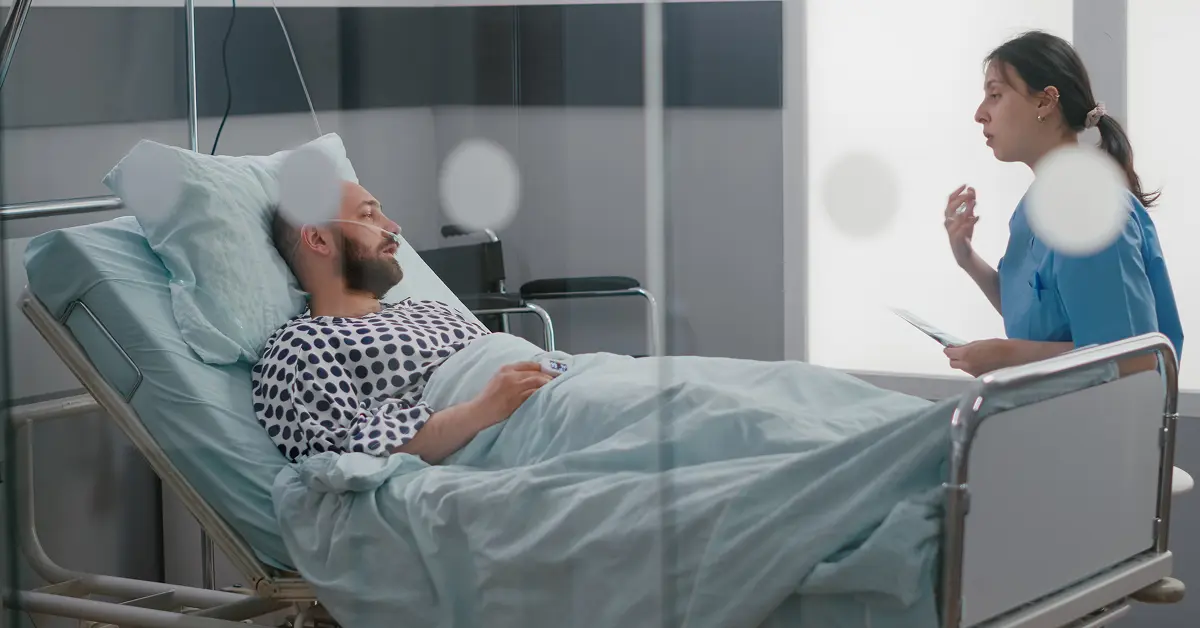
Discharge from the hospital doesn’t mean that the healing journey is over. In fact, the post-discharge phase is often just as critical as the treatment received in the hospital. For many patients, especially elderly individuals or those recovering from surgery or long illnesses, transitioning from hospital to home requires expert oversight. That’s where discharge care professionals play a vital role.
These professionals—usually nurses, trained caregivers, or physiotherapists—ensure that patients continue to recover well after being discharged. They follow a structured recovery plan tailored to each patient’s medical needs, lifestyle, and family support system. Let’s explore the key steps followed by discharge care professionals that help ensure a smooth recovery at home.
Understanding the Discharge Summary
Before beginning home care, discharge care professionals carefully review the hospital discharge summary, which includes:
- Diagnosis and treatment received
- List of medications prescribed
- Any post-surgical instructions
- Dietary requirements
- Follow-up schedules with doctors
- Signs of complications to watch out for
This document forms the basis of the recovery plan. Caregivers ensure that every point is understood and implemented correctly at home.
Medication Management
One of the most important responsibilities is managing medications effectively. This includes:
- Administering medicines at the correct times
- Ensuring the correct dosage is followed
- Watching for any side effects or allergic reactions
- Refilling prescriptions on time
Caregivers often maintain a medication log to avoid confusion and prevent missed doses—something especially critical for elderly patients or those with memory issues.
Monitoring Vital Signs Regularly
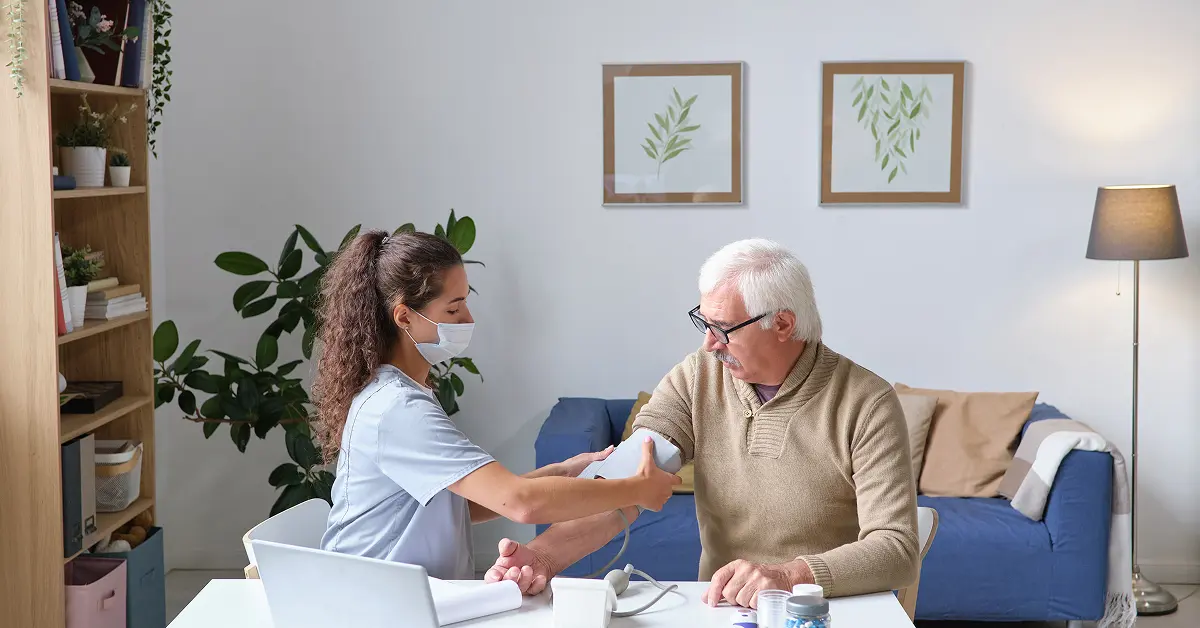
Discharge care professionals are trained to monitor and record vital signs, including:
- Blood pressure
- Blood sugar
- Temperature
- Pulse rate
- Oxygen saturation (SpO2)
They use this information to track the patient’s recovery progress and alert doctors or family members if there are any alarming changes.
Wound Care and Hygiene
For patients discharged after surgery or injury, wound care is essential. Trained professionals ensure:
- Regular dressing changes using sterile techniques
- Monitoring for signs of infection
- Keeping the surrounding area clean and dry
They also assist with personal hygiene routines like bathing, brushing, and changing clothes, especially when patients are immobile or weak.
Nutritional Planning and Support
Proper nutrition is key to a fast and healthy recovery. Caregivers coordinate with dietitians or follow hospital-recommended diets by:
- Preparing nutrient-rich meals
- Managing feeding support (oral or tube-based)
- Encouraging fluid intake
- Avoiding foods that may interfere with medications
Physical Therapy and Mobility Assistance
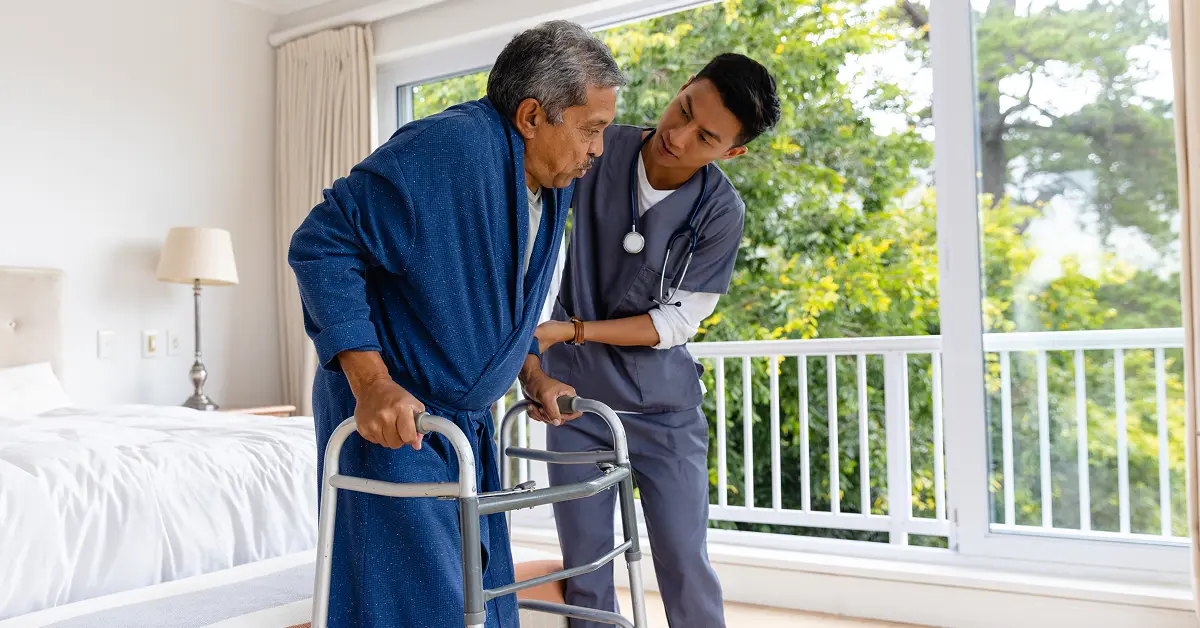
After surgeries or prolonged bed rest, physical rehabilitation becomes essential. Care professionals:
- Assist with physiotherapy sessions
- Help with walking or movement exercises
- Support use of mobility aids
- Prevent falls and injuries during movement
Mental and Emotional Support
Recovery isn't just physical. Emotional and mental health are crucial too. Professionals trained in patient care:
- Provide companionship
- Watch for signs of depression or anxiety
- Encourage positive conversations and activities
- Boost motivation and morale
Maintaining Clean and Safe Surroundings
Discharge care includes ensuring the patient’s living space is clean and safe:
- Disinfecting surfaces
- Arranging bed and bathroom access
- Removing fall hazards
- Ensuring proper lighting
Education for Family Members
Discharge care professionals also educate family members on:
- Handling emergencies
- Using medical equipment
- Following diet and hygiene instructions
- Encouraging mobility and monitoring
Follow-Up Coordination
Caregivers help patients with follow-ups by:
- Scheduling doctor visits
- Accompanying patients to clinics
- Sharing recovery updates with doctors
- Assisting with medical documentation
Why This Matters in India
In India, where many families are not trained to handle post-hospital care, discharge care professionals are essential. Their services:
- Reduce hospital readmissions
- Relieve burden on family caregivers
- Speed up recovery
- Improve patient quality of life
Conclusion
Recovery after hospital discharge requires structured care, medical oversight, emotional support, and a safe environment. Discharge care professionals ensure these needs are met, offering families in India a reliable and effective path to recovery at home.
If you’re considering professional post-discharge care for your loved one, look for trained and certified providers who offer personalised recovery plans. Their role can be life-changing, offering peace of mind and clinical care under the comfort of your own roof.
Contents
- Understanding the Discharge Summary
- Medication Management
- Monitoring Vital Signs Regularly
- Wound Care and Hygiene
- Nutritional Planning and Support
- Physical Therapy and Mobility Assistance
- Mental and Emotional Support
- Maintaining Clean and Safe Surroundings
- Education for Family Members
- Follow-Up Coordination
- Why This Matters in India
- Conclusion
Our 24*7 services
Latest Posts
- What Is Respite Care and Why Is It Important
- Affordable home care for senior citizens in India
- Caring for Seniors with Dementia or Alzheimer's at Home
- Senior Caregiving A Guide for Every Family
- How to Write a Caregiver Resume That Gets You Hired
- How Care After Hospital Discharge Speeds Up Recovery at Home
- How to Get Home Health Care for Seniors Through Medicare
- What Does a Senior Citizen Caregiver Really Do at Home
- How to Care for Elderly Parents with Alzheimer’s or Dementia
- How to Get 24-Hour Care for Seniors at Home