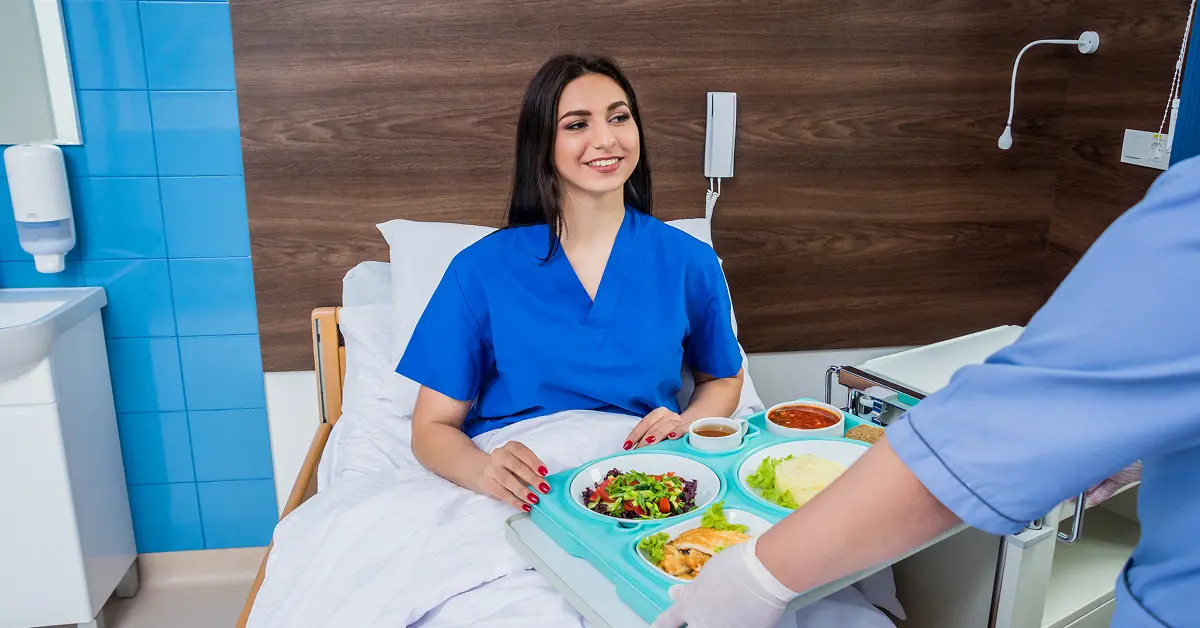
Nutrition plays a pivotal role in patient recovery and overall health maintenance. Whether it’s post-surgery, during elderly care, or while managing chronic illness, a well-designed soft food and hydration plan can ease the healing process, prevent complications, and boost energy levels. For Indian caregivers and families managing patient care at home, understanding how to create effective nutrition strategies is essential.
This blog explores the importance of soft food diets and hydration plans in Patient Care practical steps for caregivers, and common mistakes to avoid.
Why Soft Food Diets Matter in Patient Recovery
Patients recovering from surgery, illness, or those dealing with dental problems or age-related chewing difficulties often struggle with regular meals. Soft foods offer a solution that’s easy to chew, swallow, and digest without compromising on nutritional content.
- Easy digestion: Reduces strain on the gastrointestinal system.
- Less chewing effort: Suitable for patients with oral pain or swallowing issues (dysphagia).
- Customisable nutrition: Easily enriched with proteins, vitamins, and minerals.
- Comfort factor: Soft foods are generally more comforting and soothing, reducing resistance to eating.
Types of Soft Foods Ideal for Indian Patients
A variety of soft foods can be incorporated into an Indian diet. These can be modified to include essential nutrients while considering patient preferences and religious dietary restrictions.
- Khichdi
- Upma with veggies
- Dalia (broken wheat porridge)
- Curd rice
- Boiled and mashed vegetables
- Moong dal soup
- Steamed idlis
- Fruit purees
- Soft paneer dishes
- Smoothies with nuts
Key Nutrients to Include in Soft Diets
While focusing on texture, it's essential not to compromise on nutrients. Caregivers must aim for a well-balanced diet that supports healing.
- Proteins – dal, paneer, curd, soft eggs
- Fibre – mashed vegetables, fruits, dalia
- Calcium – milk, curd, paneer
- Iron – moong dal, mashed spinach, jaggery water
- Vitamins A, C, and E – steamed carrots, papaya, guava juice
Structured Hydration Plans: A Core Element in Recovery
Hydration is as crucial as food in patient recovery. Dehydration can lead to confusion, constipation, kidney issues, and delayed healing. However, patients—especially the elderly—often forget to drink water or avoid it due to mobility or incontinence issues.
- Maintains electrolyte balance
- Supports digestion and nutrient absorption
- Regulates body temperature
- Helps flush toxins and medications
- Promotes mental clarity and energy
How Much Water Should Patients Drink?
The general guideline is 8-10 glasses a day, but it should be adjusted for:
- Age
- Medical condition
- Activity level
- Weather
- Medications
Hydration-Rich Foods and Fluids for Indian Patients
- Tender coconut water
- Buttermilk (chaas)
- Lemon water with salt/sugar
- Vegetable broth or soups
- Fruit juices (diluted, unsweetened)
- Glucose water or ORS
- Haldi milk
- Soupy khichdi or dal water
Tips for Caregivers: Soft Food and Hydration Planning
- Create a schedule
- Use reminders
- Track consumption
- Adjust based on medication
- Offer variety
- Observe tolerance
- Ensure safety
Special Considerations for Specific Patients
Post-Surgical Patients
Soft foods help minimise digestive strain. Hydration assists in metabolising medications and flushing anesthesia-related toxins.
Elderly Patients
They often suffer from reduced appetite and thirst signals. Offering frequent, small meals and high-moisture foods like curd, fruits, and soups is helpful.
Stroke or Neurological Patients
These patients may have dysphagia. Thickened fluids and very soft foods that don’t choke are important. Always consult a speech or swallow therapist.
Cancer Patients
Soft, non-irritating, high-protein foods are critical. Ensure bland and soothing meals that prevent nausea or mouth sores.
Common Mistakes to Avoid
- Forcing food
- Skipping hydration at night
- Overcooking nutrients
- Ignoring fluid-restrict conditions
Conclusion
Soft food and hydration planning is not merely about comfort—it is a foundation of effective patient care. Whether you're a caregiver in India looking after your parents or a professional nurse managing at-home recovery, aligning food texture, nutritional content, and hydration timing can significantly enhance healing outcomes. Always personalise the plan based on the patient’s health status, and when in doubt, consult a qualified dietitian or doctor.
By focusing on small but consistent efforts in nutrition and fluid intake, caregivers can transform recovery journeys into healthier, faster, and more comfortable experiences.
Contents
- Why Soft Food Diets Matter in Patient Recovery
- Types of Soft Foods Ideal for Indian Patients
- Key Nutrients to Include in Soft Diets
- Structured Hydration Plans: A Core Element in Recovery
- How Much Water Should Patients Drink?
- Hydration-Rich Foods and Fluids for Indian Patients
- Tips for Caregivers: Soft Food and Hydration Planning
- Special Considerations for Specific Patients
- Common Mistakes to Avoid
- Conclusion
Our 24*7 services
Latest Posts
- What Is Respite Care and Why Is It Important
- Affordable home care for senior citizens in India
- Caring for Seniors with Dementia or Alzheimer's at Home
- Senior Caregiving A Guide for Every Family
- How to Write a Caregiver Resume That Gets You Hired
- How Care After Hospital Discharge Speeds Up Recovery at Home
- How to Get Home Health Care for Seniors Through Medicare
- What Does a Senior Citizen Caregiver Really Do at Home
- How to Care for Elderly Parents with Alzheimer’s or Dementia
- How to Get 24-Hour Care for Seniors at Home