In India’s fast-growing home healthcare sector, caregivers serve as the crucial link between patients and healthcare professionals. Whether it’s for an Elderly Care Services a post-surgery patient, or someone recovering from a long-term illness, caregivers are the first to notice changes—both subtle and severe. One of their most important responsibilities is to provide timely medical updates.
These updates are more than just record-keeping. They form the backbone of proactive treatment, ensure patient safety, and reduce the chances of emergency situations. Let’s explore in detail why timely medical updates from caregivers are so essential for maintaining a safe and responsive home care environment.
Early Detection of Health Complications
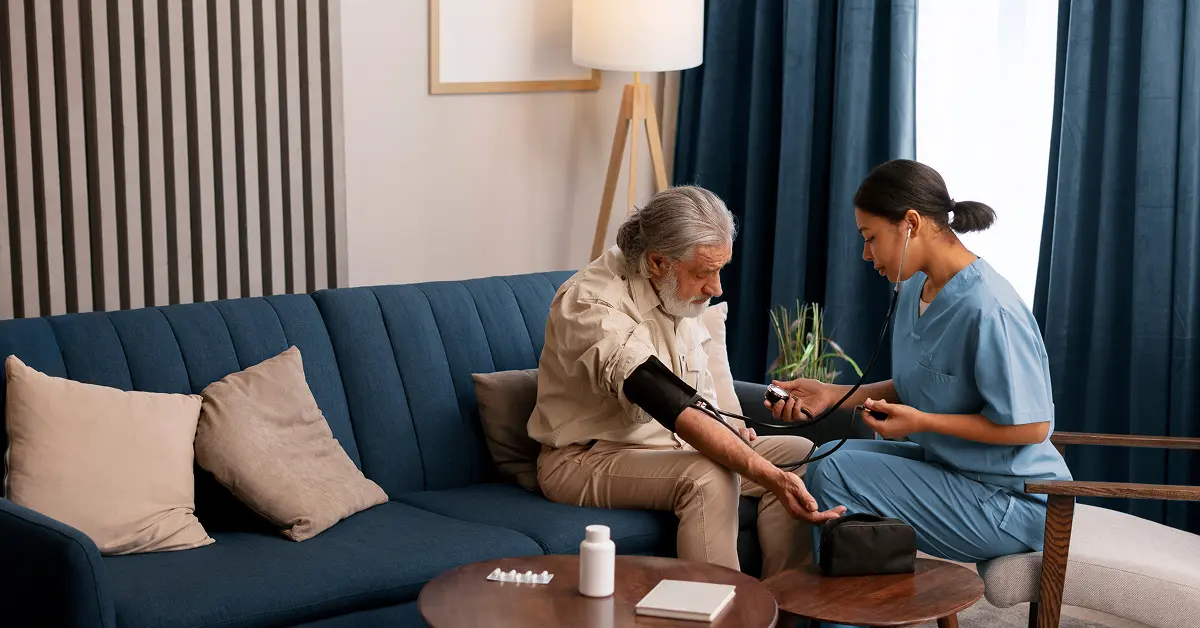
One of the biggest advantages of regular medical updates is early detection. Whether it's a sudden drop in blood pressure, unusual fatigue, or a slight change in behavior, caregivers are usually the first to observe these signs.
When reported on time to a family member or a doctor:
- Minor symptoms can be diagnosed before they escalate.
- Chronic conditions like diabetes or hypertension can be better managed.
- Medical interventions can be timely, avoiding hospitalisation.
In India, where hospital visits can be expensive and often delayed due to logistical issues, timely updates can truly be life-saving.
Coordinated Care with Medical Professionals
Caregiving isn’t a solo job. It often involves coordination with:
- Doctors
- Nurses
- Physiotherapists
- Nutritionists
If caregivers consistently provide medical updates—such as blood sugar readings, medication schedules, and meal intakes—these professionals can make better-informed decisions.
For example, if a senior diabetic patient suddenly loses appetite and the caregiver notes this in the daily update, the doctor can adjust insulin doses accordingly. In rural or semi-urban India, where specialists may be consulted via telemedicine, accurate and prompt data is even more critical.
Reduces Emergency Hospital Visits
Unexpected hospital visits are not just stressful but also financially draining. Many of these emergencies—such as urinary tract infections in elderly women or sudden spikes in blood pressure—can be prevented if early warning signs are tracked and reported.
When caregivers maintain daily logs or give instant alerts on symptoms like:
- Fever
- Confusion
- Dehydration
- Swelling
They help in preventing avoidable complications. This can be especially helpful in Indian joint families where not every family member can monitor the patient constantly.
Better Medication Management
Many Indian homes are now handling complex medication routines—multiple drugs, at different times, with specific dietary rules. A missed dose or incorrect timing can impact recovery.
By giving timely updates on:
- Medication intake
- Missed or skipped doses
- Side effects
- Refill requirements
Caregivers play a crucial role in ensuring continuity and safety in treatment.
Enhances Family Communication
In many Indian homes, children or spouses may be working full-time jobs while managing caregiving responsibilities remotely. In such cases, the caregiver acts as their eyes and ears. A WhatsApp message or email at the end of the day summarising:
- Vitals (BP, Sugar, Temperature)
- Food intake
- Mood and behavior
- Medication compliance
Helps families stay informed and take swift decisions when needed. This ensures that long-distance caregiving remains efficient and emotionally reassuring.
Supports Mental and Emotional Well-being
Not all updates are clinical. A caregiver might observe that an elderly parent has been unusually quiet, not sleeping well, or showing signs of depression. Sharing these behavioral cues with the family or a counselor can prompt timely psychological support.
In Indian culture, mental health often goes underreported. But with a trained caregiver providing regular emotional and behavioral updates, early intervention becomes possible.
Helps During Doctor Consultations
Often during hospital or clinic visits, family members struggle to remember specifics:
- When did the symptom first appear?
- How regular was the fever?
- Was there any change in urine or bowel movement?
If a caregiver maintains consistent records—either in a diary or a digital app—it serves as documented history for the doctor, leading to better diagnosis and fewer unnecessary tests.
Legal and Medical Documentation
In unfortunate cases of legal disputes or insurance claims, medical history and caregiver logs can become official documents. A record of:
- Vitals
- Medication changes
- Emergency calls
- Nursing visits
Can support claims or defend against any allegations of negligence. In India, where elder abuse cases are rising, such documentation provides a layer of protection to both families and caregivers.
Boosts Caregiver Accountability and Performance
Timely updates also help track caregiver performance. Families can assess:
- How attentive the caregiver is
- If protocols are being followed
- Whether health goals are being met
For agencies or families employing paid caregivers, this serves as a performance metric. It also promotes transparency and trust.
Encourages the Use of Technology in Caregiving
With the rise of homecare apps and health tracking tools in India, caregivers can now provide real-time updates using:
- Mobile health apps
- WhatsApp groups
- Google Sheets
- Wearable device integrations
Encouraging the use of technology ensures smoother communication, error-free documentation, and real-time health monitoring.
Conclusion
Caregiving in India is not just about physical help—it’s about building a health-monitoring ecosystem. Timely medical updates are the threads that connect caregivers, family members, and healthcare professionals into one coordinated support system.
Whether you’re managing elder care in Bengaluru, post-surgical recovery in Delhi, or chronic illness in a remote village in Maharashtra, consistent updates can make all the difference. It can improve patient outcomes, reduce health risks, and bring peace of mind to families. Encouraging caregivers to take this responsibility seriously—and enabling them with the right tools—can transform the quality of home healthcare across India.
Contents
- Early Detection of Health Complications
- Coordinated Care with Medical Professionals
- Reduces Emergency Hospital Visits
- Better Medication Management
- Enhances Family Communication
- Supports Mental and Emotional Well-being
- Helps During Doctor Consultations
- Legal and Medical Documentation
- Boosts Caregiver Accountability and Performance
- Encourages the Use of Technology in Caregiving
- Conclusion
Our 24*7 services
Latest Posts
- What Is Respite Care and Why Is It Important
- Affordable home care for senior citizens in India
- Caring for Seniors with Dementia or Alzheimer's at Home
- Senior Caregiving A Guide for Every Family
- How to Write a Caregiver Resume That Gets You Hired
- How Care After Hospital Discharge Speeds Up Recovery at Home
- How to Get Home Health Care for Seniors Through Medicare
- What Does a Senior Citizen Caregiver Really Do at Home
- How to Care for Elderly Parents with Alzheimer’s or Dementia
- How to Get 24-Hour Care for Seniors at Home