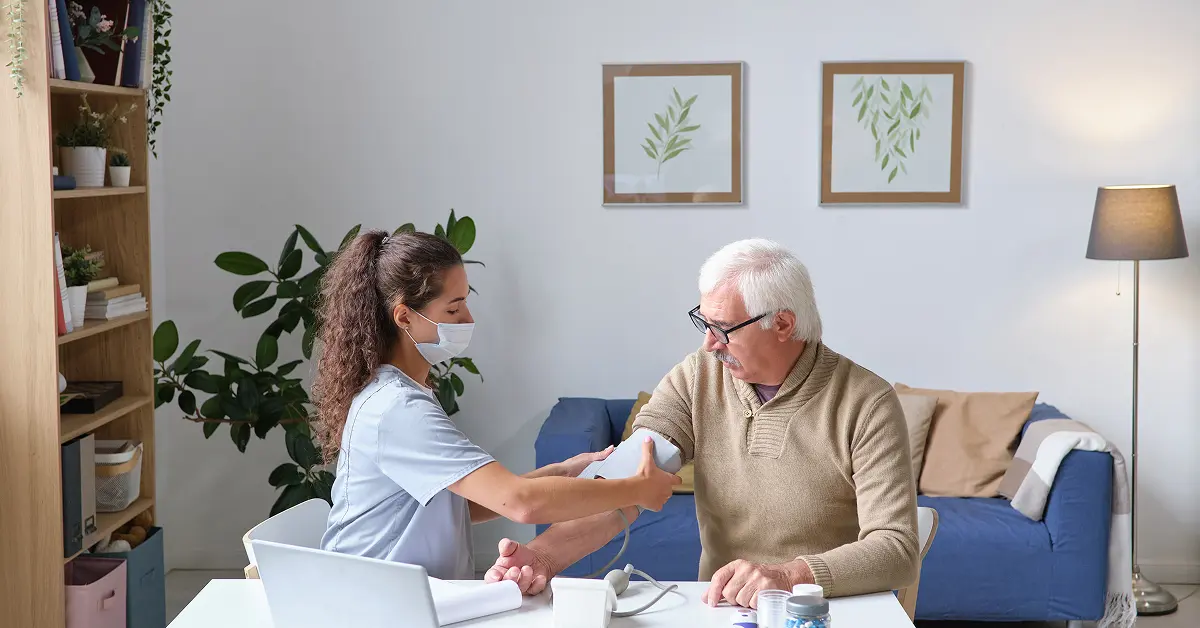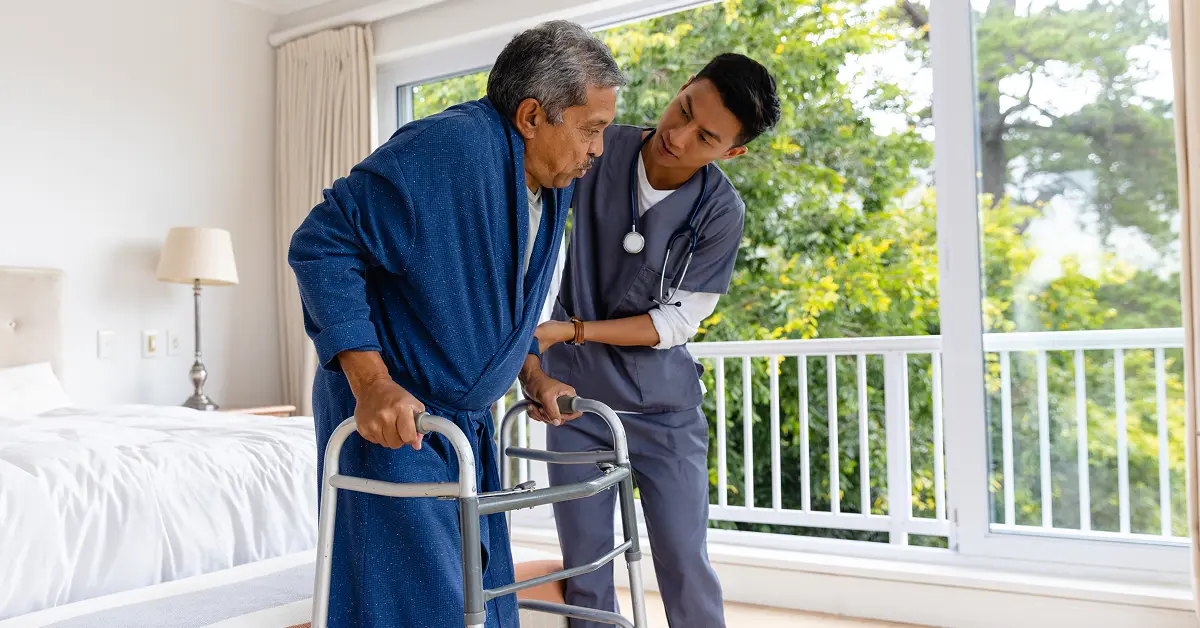
The transition from hospital to home after a medical procedure or illness is a crucial phase in a patient’s recovery journey. In India, caregivers—both professional and family-based—play a central role in this transition. One of the first steps they take is setting up a recovery corner at home. This designated space is thoughtfully designed to promote comfort, independence, and healing for patients recovering from surgery, illness, or injury.
Let’s explore how caregivers go about setting up these recovery zones, what essentials are included, and why this step is vital for both physical and emotional well-being.
Understanding the Purpose of a Recovery Corner
A recovery corner is a specific area in the home prepared to cater to the patient's needs after being discharged. Unlike a regular bedroom, this space is equipped with medical aids, comfort items, and accessibility features to ensure:
- Safety and mobility
- Regular monitoring and care
- Emotional comfort and peace of mind
Caregivers assess the patient’s medical condition, expected duration of recovery, and individual requirements before deciding on a setup.
Choosing the Right Location at Home
The caregiver’s first step is identifying a suitable area in the home. This often depends on the patient’s mobility and type of illness or surgery.
Ideal locations include:
- Ground floor rooms for patients with mobility issues
- Rooms near the bathroom or equipped with a commode if needed
- Areas with ample natural light and ventilation
- Spaces with minimal foot traffic to ensure peace
Essential Equipment and Supplies
Once the space is selected, caregivers arrange recovery essentials based on the patient’s needs. These may include:
a. Medical Equipment
- Hospital bed or recliner
- Walker, wheelchair, or cane
- Oxygen cylinder, nebuliser, or suction machine (if required)
- Pulse oximeter, thermometer, BP monitor
b. Furniture and Accessibility Tools
- Bedside table for medicines and water
- Anti-skid mats to prevent falls
- Grab bars near the bed or bathroom
- Adjustable lighting and night lamps
c. Hygiene and Comfort Products
- Adult diapers or bedpans
- Waterproof bedsheets
- Disposable gloves and masks
- Hand sanitizer and disinfectant sprays
Organising Medicines and Daily Charts
Medication management is critical post-discharge. Caregivers usually prepare a daily medicine chart and place medicines within easy reach. They might also:
- Use labelled medicine boxes with time slots
- Maintain a logbook to track symptoms, medicine timings, and vitals
- Coordinate with doctors or telehealth services for routine follow-ups
Maintaining Nutrition and Hydration
A recovery corner isn't complete without arrangements for food and water. Depending on the dietary instructions given by the doctor, caregivers include:
- A small table or tray for meals
- Thermos for hot water or herbal teas
- Soft food containers or flasks with dal, khichdi, porridge
- Coconut water or ORS sachets for hydration
Ensuring Emotional Well-being and Entertainment
Recovery isn’t just physical. Emotional healing is equally important. Caregivers integrate tools for relaxation and engagement:
- Mobile charger or television remote within reach
- Books, religious texts, or spiritual music
- Family photo frames or fresh flowers
- Small indoor plants for a soothing vibe
Maintaining Cleanliness and Safety
Caregivers establish strict hygiene protocols to prevent infections:
- Daily bed linen change
- Regular mopping with disinfectant
- Wearing gloves during dressing changes or personal care
- Ensuring windows are screened to prevent mosquito entry
Communication Setup with Medical Professionals
With increasing adoption of telemedicine in India, caregivers ensure:
- Contact numbers of doctors and physiotherapists are handy
- Teleconsultation apps are installed on smartphones
- Emergency numbers are stuck on the wall or bedside
Creating a Peaceful, Patient-Centric Environment
The aesthetics of the recovery space also matter. Caregivers focus on:
- Muted wall colours or bedsheets
- Curtains to control harsh light
- Clean, clutter-free arrangements
- Soft background music for rest periods
Involving Family Members and Building a Support System
Family participation is crucial. Caregivers often guide family members on:
- Proper ways to assist without causing stress to the patient
- Rotating care shifts for overnight support
- Keeping conversations light and positive
Conclusion
Setting up a recovery corner is not just about arranging medical devices—it’s about preparing a nurturing environment tailored to the patient’s physical and emotional needs. Indian caregivers go beyond logistics by infusing compassion, tradition, and practical expertise into the recovery process. Whether it’s using desi home remedies or coordinating with doctors for timely check-ups, they ensure that healing happens in the comfort and warmth of home.
If your loved one is returning from the hospital soon, consider setting up a recovery corner with the help of a trained caregiver. It can make all the difference in achieving a smooth, speedy, and stress-free recovery.
Need Help with Home Recovery Setup?
Professional caregivers are trained to customise recovery corners for post-discharge care. Contact a local caregiving service in your city for consultation and support.
Contents
- Understanding the Purpose of a Recovery Corner
- Choosing the Right Location at Home
- Essential Equipment and Supplies
- Organising Medicines and Daily Charts
- Maintaining Nutrition and Hydration
- Ensuring Emotional Well-being and Entertainment
- Maintaining Cleanliness and Safety
- Communication Setup with Medical Professionals
- Creating a Peaceful, Patient-Centric Environment
- Involving Family Members and Building a Support System
- Conclusion
Our 24*7 services
Latest Posts
- What Is Respite Care and Why Is It Important
- Affordable home care for senior citizens in India
- Caring for Seniors with Dementia or Alzheimer's at Home
- Senior Caregiving A Guide for Every Family
- How to Write a Caregiver Resume That Gets You Hired
- How Care After Hospital Discharge Speeds Up Recovery at Home
- How to Get Home Health Care for Seniors Through Medicare
- What Does a Senior Citizen Caregiver Really Do at Home
- How to Care for Elderly Parents with Alzheimer’s or Dementia
- How to Get 24-Hour Care for Seniors at Home