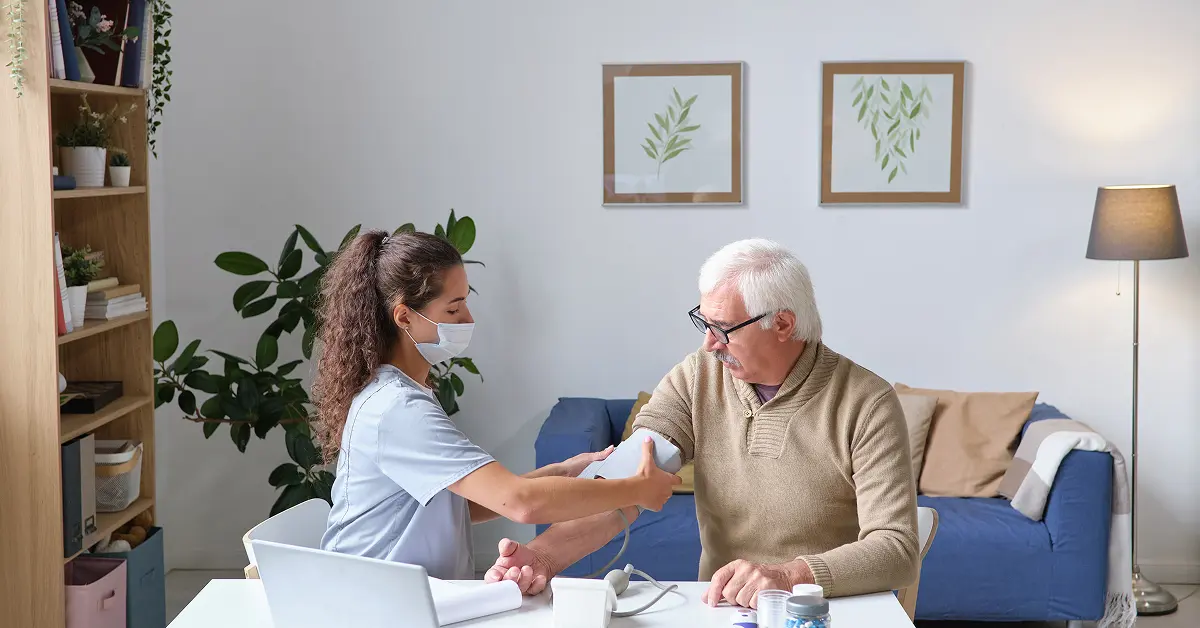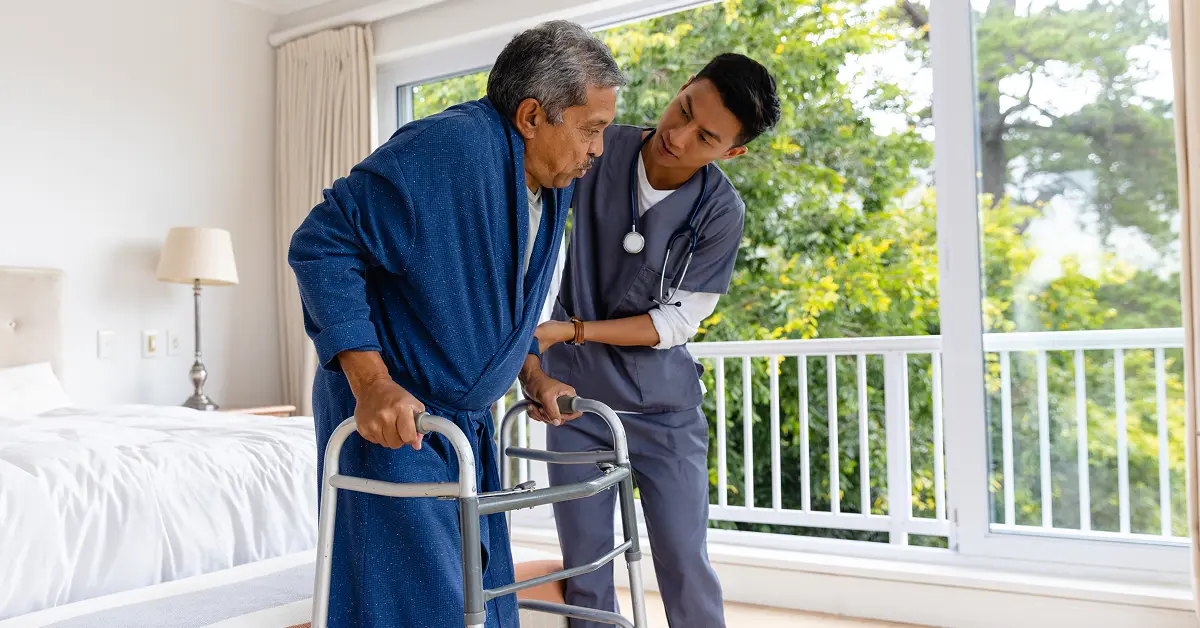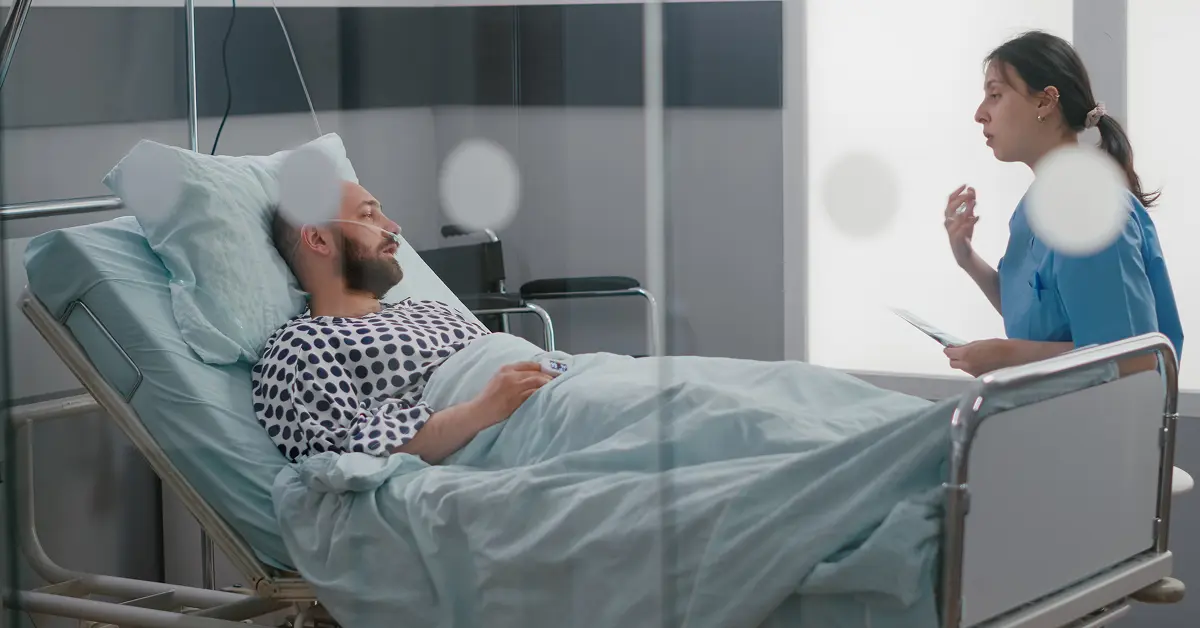
When a patient is discharged from a hospital, the journey to full recovery is far from over. Often, they return home with prescriptions, ongoing therapy needs, follow-up appointments, and specific care routines. Without proper support, there is a high risk of missed medications, skipped therapies, or complications that could result in readmission. That’s where discharge care services come into play. In India, as families increasingly seek professional post-discharge support at home, discharge care is becoming a key component in bridging the gap between hospital and home, ensuring continuity in medication and therapy.
This article explores how professional discharge care ensures smooth transitions for patients, especially in elderly or chronic cases, and why it's crucial for better health outcomes.
Understanding Discharge Care Services
Discharge care refers to a structured plan and support system designed to help patients transition safely from hospital to home or any other care setting. It typically involves:
- Medication management
- Therapy continuation (physiotherapy, occupational therapy, etc.)
- Monitoring vital signs
- Personal hygiene and mobility support
- Coordination with doctors and specialists
- Follow-up appointment tracking
Medication Continuity: A Critical Pillar
Accurate Medication Reconciliation
Once a patient is discharged, caregivers ensure that all medications prescribed at discharge are cross-verified with pre-hospitalization medication. This avoids dangerous duplications or interactions. Discharge care teams maintain a comprehensive medication chart and explain its use to the family members.
Timely Administration of Medicines
For patients who have multiple medications or complex dosage timings, home caregivers take responsibility for ensuring each dose is given on time. Whether it’s oral tablets, injections, or inhalers, their goal is to maintain strict adherence to the prescribed regimen.
Managing Side Effects and Adverse Reactions
Professional caregivers and nurses are trained to monitor potential side effects or drug interactions. They keep close watch on the patient and alert doctors in case of abnormal symptoms, helping avoid unnecessary hospital visits.
Educating the Family and Patient
Part of ensuring medication continuity is patient and family education. Caregivers explain:
- The purpose of each medicine
- Dosage and timing
- Possible side effects
- What to do in case of missed doses
Ensuring Therapy Doesn’t Stop After Discharge
Coordinating with Home-Based Therapists
Discharge care teams in India often work in tandem with trained in-home physiotherapists and rehabilitation specialists. Appointments are scheduled in advance, and therapy begins right after the patient settles at home.
Creating Personalized Therapy Plans
Each patient’s needs are different. A good discharge care service will work with hospital physiotherapists and doctors to prepare a personalized therapy schedule based on:
- Type of surgery or illness
- Mobility level
- Age and comorbidities
- Pain levels and stamina
Tracking Therapy Progress
Caregivers and therapists often maintain daily logs of exercises, progress, patient response, and pain levels. These reports can be shared with doctors during follow-ups, enabling better treatment decisions.
Emotional and Motivational Support
Therapy isn’t just physical—it’s also emotional. Many patients feel frustrated or disheartened by slow progress. Discharge caregivers provide motivational encouragement, help them stay consistent, and offer a positive environment at home.
Role of Trained Discharge Caregivers
Having trained caregivers as part of discharge care brings structure and safety. Here’s how they play a vital role:
- Administering and organizing medications
- Maintaining therapy routines and assisting with exercises
- Assisting with daily activities (bathing, walking, toileting)
- Observing patient responses and reporting to doctors
- Reducing family stress by managing responsibilities
Technology in Discharge Care
Many discharge care services in India now use digital apps and health platforms to enhance continuity. Some features include:
- Medication reminders
- Digital therapy videos
- Health monitoring dashboards (BP, sugar, SPO2)
- Video consultations with doctors
- Daily health report sharing with family members
Benefits of Seamless Discharge Care
Here’s why continuity in medication and therapy through discharge care makes a significant difference:
- Faster Recovery: Regular medication and uninterrupted therapy help in quicker healing.
- Reduced Readmissions: Monitoring and timely intervention reduce hospital re-visits.
- Better Compliance: With caregiver supervision, patients stick to the prescribed routines.
- Peace of Mind for Families: Knowing their loved one is being cared for professionally is a huge relief.
- Cost-Effective: Preventing complications avoids additional medical expenses.
Ideal Candidates for Discharge Care
Discharge care is especially beneficial for:
- Elderly patients with multiple medications
- Post-surgical cases needing rehab
- Stroke or cardiac patients needing continuous monitoring
- Patients with chronic diseases like diabetes, COPD, or arthritis
- Patients without local family support
Choosing the Right Discharge Care Service in India
When selecting a discharge care provider, consider:
- Are the caregivers trained in medication and therapy support?
- Do they provide physiotherapists or nurses if needed?
- Is the care plan aligned with your doctor’s recommendations?
- Do they offer digital updates or reports?
- Can they assist with long-term care if needed?
Final Thoughts
Hospital discharge is not the end of treatment—it’s the beginning of a new phase of healing. Continuity in medication and therapy is essential to make this transition successful. Discharge care services in India are evolving rapidly, offering structured, professional, and compassionate support to ensure that patients continue to receive the care they need without interruptions. Whether it’s managing complex prescriptions, assisting with therapies, or simply being there to help with daily tasks, discharge caregivers bridge the crucial gap between hospital and home.
With proper discharge care, patients recover better, faster, and with dignity—at home, where healing feels more human.
Contents
- Understanding Discharge Care Services
- Medication Continuity: A Critical Pillar
- Ensuring Therapy Doesn’t Stop After Discharge
- Role of Trained Discharge Caregivers
- Technology in Discharge Care
- Benefits of Seamless Discharge Care
- Ideal Candidates for Discharge Care
- Choosing the Right Discharge Care Service in India
- Final Thoughts
Our 24*7 services
Latest Posts
- What Is Respite Care and Why Is It Important
- Affordable home care for senior citizens in India
- Caring for Seniors with Dementia or Alzheimer's at Home
- Senior Caregiving A Guide for Every Family
- How to Write a Caregiver Resume That Gets You Hired
- How Care After Hospital Discharge Speeds Up Recovery at Home
- How to Get Home Health Care for Seniors Through Medicare
- What Does a Senior Citizen Caregiver Really Do at Home
- How to Care for Elderly Parents with Alzheimer’s or Dementia
- How to Get 24-Hour Care for Seniors at Home