Recovering from a hospital stay is a delicate period. It’s not just about leaving the hospital — it’s about staying well and avoiding relapse. In India, where access to continuous in-hospital care is limited due to costs or logistics, personalised discharge care at home becomes a powerful tool in preventing re-hospitalisation and promoting long-term health recovery.
This blog explores how customised discharge plans, when executed properly at home, reduce the chances of relapse and speed up recovery for patients of all ages, especially seniors and those with chronic conditions.
What Is Personalised Discharge Care?
Personalised discharge care is a patient-specific recovery strategy designed to support a smooth transition from hospital to home. Unlike a generic discharge summary, personalised discharge planning includes:
- Detailed medication management
- Nutrition guidance
- Follow-up schedules
- Physiotherapy or mental wellness plans
- Home environment adjustments
- Family and caregiver involvement
This kind of care ensures that the patient receives the same level of attention and structure at home as they did in the hospital, reducing stress and preventing complications.
Why Is Relapse Common After Hospital Discharge?
Patients often relapse due to:
- Inconsistent medication routines
- Lack of physical activity
- Unmonitored dietary habits
- Missing follow-up appointments
- Inadequate family or professional support
In India, where joint families are common but healthcare education may be lacking, such relapses are even more frequent among elderly or chronically ill patients.
Personalised discharge care acts as a buffer, ensuring that these issues are proactively managed before they become health setbacks.
How Personalised Home Discharge Care Prevents Relapse
Medication Management and Timely Intake
Patients often find it difficult to follow complex medication routines, especially post-surgery or post-stroke. A personalised discharge plan ensures:
- Medication charts are made simple
- Reminders are set (manual or digital)
- Home caregivers are trained to administer drugs safely
- Doctors are consulted in case of side effects
Diet and Nutrition Guidance
Nutritional care is often overlooked. A diet plan tailored to a patient’s health condition ensures faster healing. With Indian food habits being diverse, professional guidance helps:
- Avoid foods that trigger complications (e.g. salt-heavy diets in cardiac patients)
- Maintain hydration, especially in elderly patients
- Ensure diabetic-friendly or renal-specific meals
Scheduled Follow-Ups and Monitoring
Missed follow-ups often delay the detection of complications. With home-based personalised care:
- Appointments are pre-scheduled and tracked
- Virtual consultations are arranged
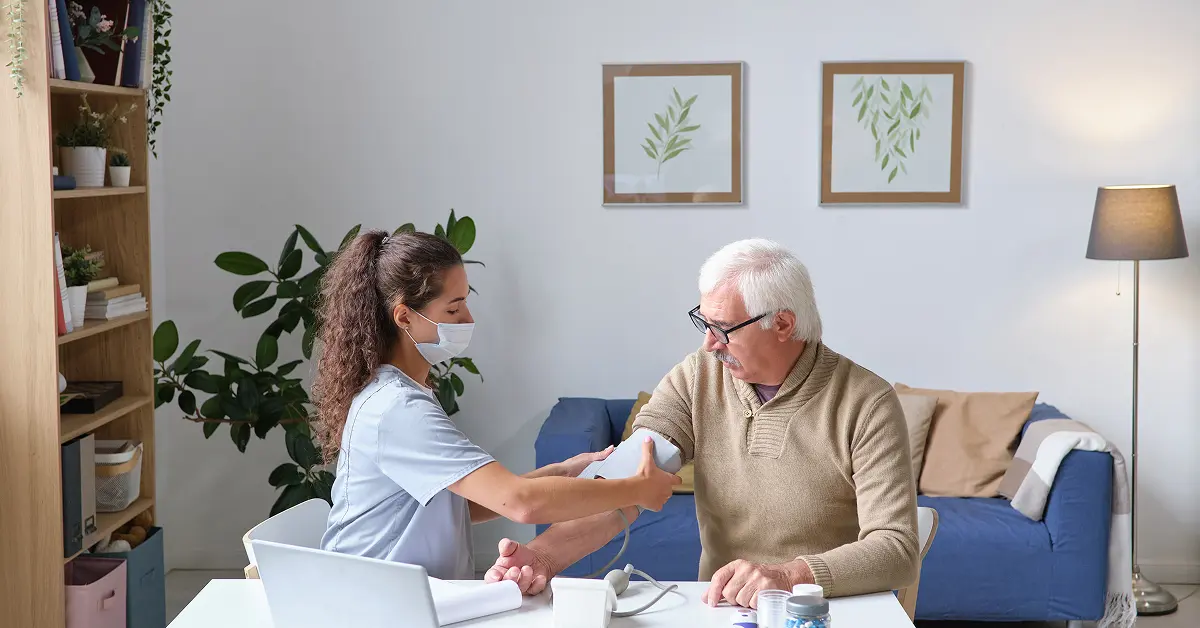
- Vitals are monitored at home
- Reports are sent to doctors regularly
Physical and Mental Rehabilitation
Rehabilitation is a long-term process that continues well after hospital discharge. Personalised care plans often include:
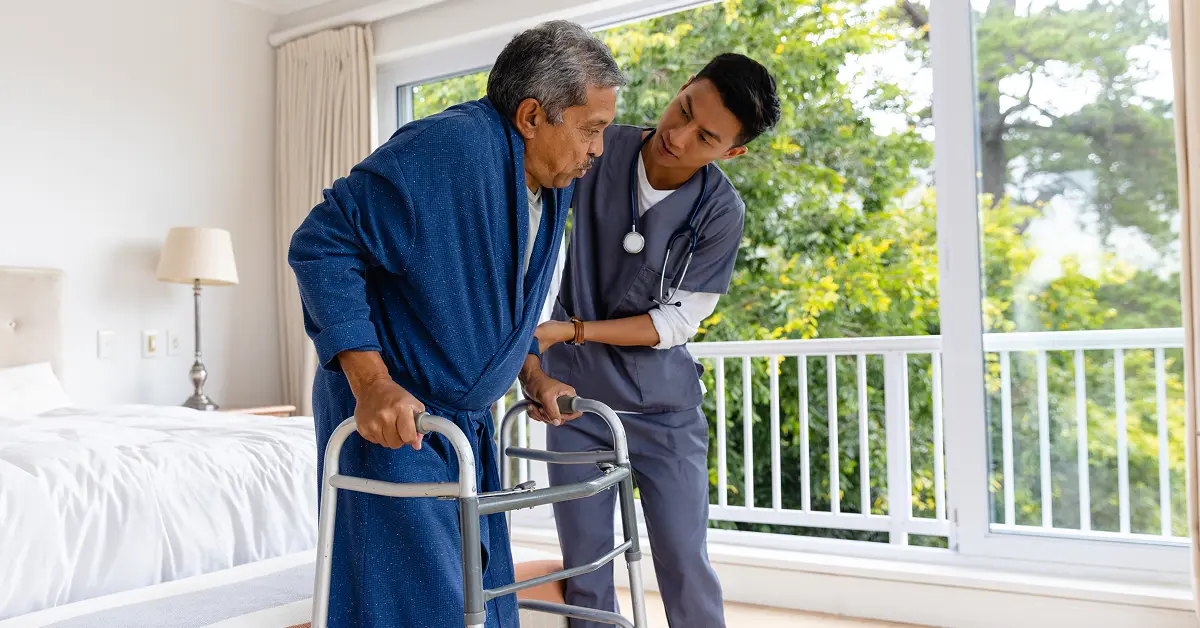
- At-home physiotherapy sessions for mobility recovery
- Breathing exercises post-COVID or surgery
- Psychological counselling for patients with trauma or depression
Trained Home Caregiver Support
A major component of relapse prevention is the human touch — trained caregivers who know what to do. In India, professional caregiver services offer:
- Trained nurses or attendants who follow medical instructions strictly
- Language and culture-sensitive communication
- 24/7 support for bedridden or critical patients
Home Environment Assessment and Modification
Sometimes, the home itself can be unsafe — slippery tiles, lack of handrails, or cluttered spaces. A personalised discharge care plan includes:
- A home safety audit
- Installation of grab bars or hospital beds
- Clear space for wheelchairs or walkers
Role of Family in Personalised Discharge Care
In Indian households, family plays a key role. But without the right knowledge, even the most well-intentioned care can go wrong. Personalised care includes:
- Educating family members on do’s and don’ts
- Training them to support medical routines
- Involving them in emotional and physical therapy
Technology Integration for Better Outcomes
In the digital age, personalised discharge care is powered by technology:
- Health apps to track vitals and reminders
- Video consultations with doctors
- Telemonitoring devices for real-time updates
- Digital reports shared via WhatsApp or portals
Cost-Effectiveness of At-Home Personalised Care in India
While hospital stays are expensive, home care — even with professional support — is far more cost-effective. Personalised discharge care reduces:
- Hospital readmission costs
- Emergency visits
- Long-term complications
It also enables early detection of issues, saving lakhs in advanced treatment expenses. Many Indian families are now seeing it as a valuable investment in health rather than a luxury.
Final Thoughts
Avoiding relapse after a hospital stay is not just about recovery — it's about sustaining that recovery. Personalised discharge care at home offers a structured, professional, and patient-focused approach that ensures smoother healing and peace of mind for Indian families.
Whether it’s a post-surgical patient in Chennai, a diabetic elderly parent in Delhi, or a new mother in Mumbai — tailored at-home care helps them all transition safely and confidently from hospital to home.
In a country like India, where healthcare infrastructure is stretched and family support is critical, personalised discharge care is no longer an option — it is a necessity for a healthy future.
Contents
- What Is Personalised Discharge Care?
- Why Is Relapse Common After Hospital Discharge?
- How Personalised Home Discharge Care Prevents Relapse
- Home Environment Assessment and Modification
- Role of Family in Personalised Discharge Care
- Technology Integration for Better Outcomes
- Cost-Effectiveness of At-Home Personalised Care in India
- Final Thoughts
Our 24*7 services
Latest Posts
- What Is Respite Care and Why Is It Important
- Affordable home care for senior citizens in India
- Caring for Seniors with Dementia or Alzheimer's at Home
- Senior Caregiving A Guide for Every Family
- How to Write a Caregiver Resume That Gets You Hired
- How Care After Hospital Discharge Speeds Up Recovery at Home
- How to Get Home Health Care for Seniors Through Medicare
- What Does a Senior Citizen Caregiver Really Do at Home
- How to Care for Elderly Parents with Alzheimer’s or Dementia
- How to Get 24-Hour Care for Seniors at Home