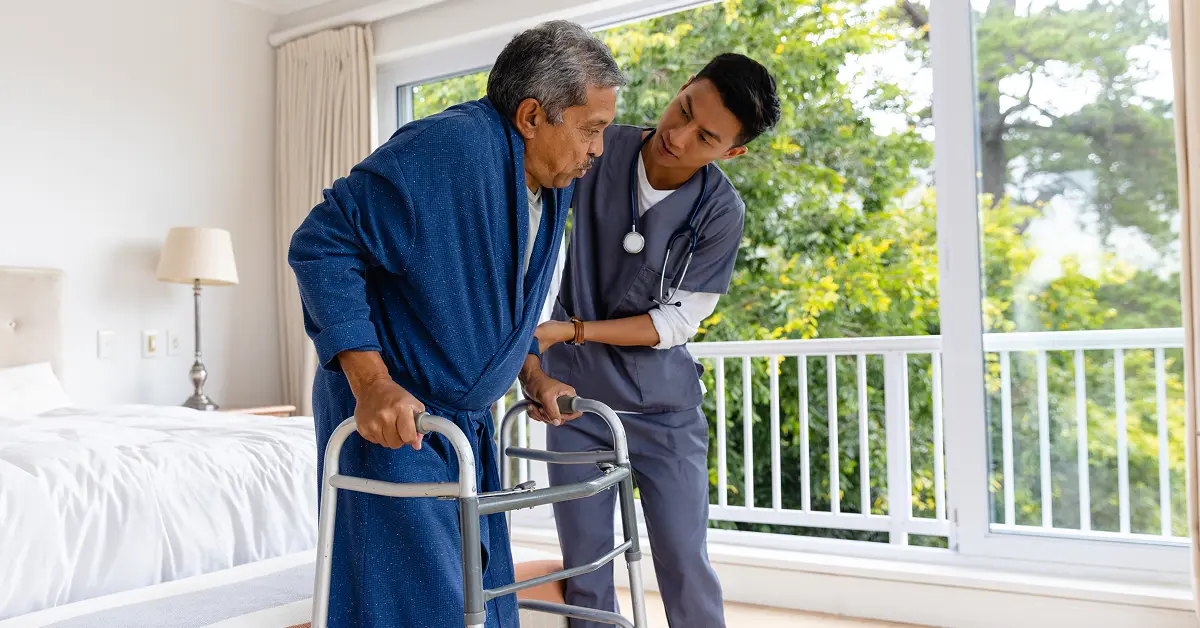
Discharge from a hospital is a sign of recovery, but it also marks the beginning of a new phase—home care. For families in India, especially those managing elderly parents or loved ones after surgery or illness, planning for transport and home setup is critical to ensure a seamless transition. Mishandling this process can lead to complications, unnecessary stress, and even hospital readmissions. This blog explains the essential steps in planning transport and home setup after a Hospital Discharge ensuring your loved one’s comfort, safety, and speedy recovery.
Understanding Discharge Instructions
Before the actual discharge, it's important to have a clear conversation with the hospital staff. Doctors and nurses usually provide a discharge summary that outlines:
- Medications and dosages
- Follow-up appointments
- Dietary restrictions
- Physical activity levels
- Warning signs to watch for
Choosing the Right Mode of Transport
Transporting a recovering patient requires more than just a personal car. Consider the patient’s mobility, pain level, and medical needs.
a. Private Car with Support
If the patient is able to sit comfortably, a private car with adequate support (like cushions and a reclining seat) is usually enough. Always have one person accompany the patient in the back seat for support.
b. Ambulance Services
In cases where the patient is bedridden or needs oxygen, a non-emergency ambulance is the safest option. These are available in most Indian cities and come equipped with basic medical equipment.
c. Wheelchair Taxi Services
Available in metro cities, these are useful for patients with limited mobility but who don’t need constant medical supervision.
Preparing the Home Environment
a. Clean and Sanitize
Ensure that the patient’s room is thoroughly cleaned. Remove dust, sanitize surfaces, and check for allergens. Keep sanitizers and masks handy for caregivers and visitors.
b. Bed Setup
A hospital-type bed with adjustable height and head support is ideal. However, if not available, ensure the home bed is firm, clean, and easily accessible. Place it near a bathroom or provide a commode chair nearby.
c. Safety Additions
- Anti-skid mats in bathrooms
- Grab bars near toilets and showers
- Clear walking paths by removing rugs or furniture
- Night lights for visibility
d. Ventilation and Comfort
Make sure the room is well-ventilated, has access to natural light, and is free from noise. Comfort plays a big role in recovery.
Medical Equipment and Supplies
Based on the doctor’s instructions, you may need to rent or purchase medical equipment. Common items include:
- Wheelchairs or walkers
- Oxygen cylinders or concentrators
- Nebulizers
- Glucometer or BP monitor
- Commode chairs
- Adult diapers, gloves, sanitizers
Hiring a Trained Attendant or Nurse
If your family is unable to provide 24x7 support, hiring a trained caregiver or nurse is highly recommended. They assist with:
- Medication management
- Hygiene and bathing
- Physiotherapy support
- Monitoring vitals
- Emergency response
Managing Medicines and Diet
Set up a daily medication chart to track:
- Dosage times
- Special instructions (e.g., with food, after meals)
- Refill dates
In terms of diet, consult a nutritionist if needed. Recovery diets should be:
- Easy to digest
- Low in salt and sugar (if diabetic or hypertensive)
- Rich in protein, fibre, and hydration
Planning Follow-Up Care
Recovery continues after discharge. Make sure you:
- Book all follow-up appointments in advance
- Save emergency contact numbers of doctors
- Keep transportation ready for visits
- Use digital health records apps like Aarogya Setu or Tata 1mg
Emotional and Mental Health Support
Recovery is not only physical. Being confined to home, limited in activity, or dependent on others can take a toll on mental health. Encourage:
- Regular conversations
- Light entertainment like TV, books, or spiritual music
- Small social visits (with caution)
- Counseling or therapy if signs of depression occur
Keep Emergency Protocols Ready
- Save hospital and ambulance numbers
- Keep a medical file with prescriptions and reports
- Brief all family members about what to do during an emergency
- Keep a ready-to-go hospital bag in case readmission is required
Communicating With Family and Neighbours
Inform close neighbours or relatives about the discharge. They can be helpful in emergencies or daily tasks like food delivery, medicine purchase, or transport.
Conclusion
Planning transport and setup after a hospital discharge is not just about logistics; it's about building a safe and healing environment. For Indian families, where caregiving often falls on untrained hands, taking these small but impactful steps can lead to better outcomes. Always be proactive—ask questions, take help when needed, and never hesitate to invest in your loved one's comfort and safety.
By handling this transition phase with care, you’re not only preventing complications but also nurturing your family member back to full health.
Contents
- Understanding Discharge Instructions
- Choosing the Right Mode of Transport
- Preparing the Home Environment
- Medical Equipment and Supplies
- Hiring a Trained Attendant or Nurse
- Managing Medicines and Diet
- Planning Follow-Up Care
- Emotional and Mental Health Support
- Keep Emergency Protocols Ready
- Communicating With Family and Neighbours
- Conclusion
Our 24*7 services
Latest Posts
- What Is Respite Care and Why Is It Important
- Affordable home care for senior citizens in India
- Caring for Seniors with Dementia or Alzheimer's at Home
- Senior Caregiving A Guide for Every Family
- How to Write a Caregiver Resume That Gets You Hired
- How Care After Hospital Discharge Speeds Up Recovery at Home
- How to Get Home Health Care for Seniors Through Medicare
- What Does a Senior Citizen Caregiver Really Do at Home
- How to Care for Elderly Parents with Alzheimer’s or Dementia
- How to Get 24-Hour Care for Seniors at Home