In India, where family bonds are held dear, caring for elderly parents is both a responsibility and an emotional commitment. With the rise of nuclear families and busy work lives, ensuring constant care for ageing parents has become challenging. This is where regular check-ins—either through home caregivers, telecare services, or family involvement—play a pivotal role in senior citizen home care.
Monitoring Health and Medical Conditions
As people age, chronic conditions such as diabetes, arthritis, blood pressure, or cognitive decline become common. Regular check-ins allow for consistent monitoring of these health issues. A caregiver visiting once or twice a day can help ensure that medication is taken on time, vitals are checked, and symptoms are monitored. In India, where access to local clinics may be inconsistent in smaller towns or remote areas, in-home health monitoring through regular visits becomes even more essential.
Preventing Emergency Situations
One of the biggest risks elderly individuals face is falling or having a sudden health emergency while alone. Regular check-ins help minimise this risk. Whether it’s a family member dropping by or a professional caregiver assigned to visit, these visits can detect early warning signs and address issues before they escalate into emergencies. In metropolitan cities like Mumbai, Delhi, or Bangalore, where elderly individuals may live alone, this practice is a true lifeline.
Emotional Well-being and Mental Health Support
Loneliness and isolation can significantly affect a senior's mental health. Studies in India have shown that seniors living alone are more prone to depression, anxiety, and cognitive decline. Regular interaction through check-ins, even if it's just a short conversation or a walk in the garden, can greatly uplift their mood. Trained caregivers are often equipped to offer companionship as well as identify any signs of emotional distress, helping to maintain emotional stability.
Ensuring Nutrition and Hydration
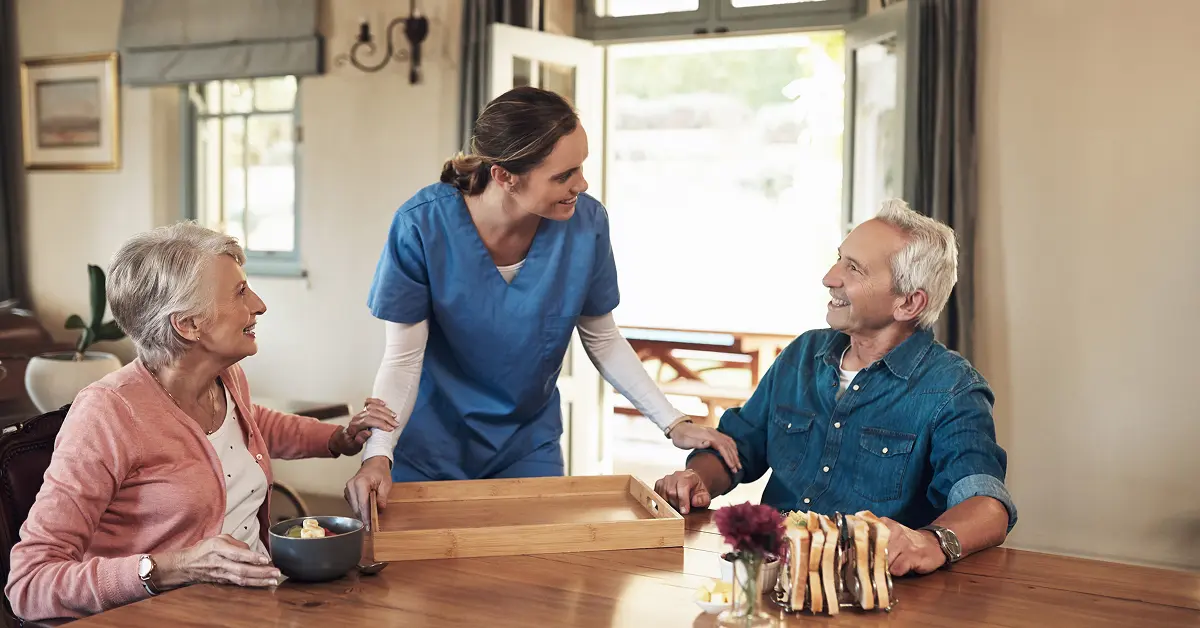
Many elderly individuals forget or avoid eating meals due to lack of appetite, poor memory, or even difficulty in preparing food. During check-ins, caregivers can help prepare simple, nutritious meals suited to Indian diets like khichdi, idli, dal-rice, or upma. They can also make sure elders stay hydrated, especially during hot Indian summers, which is crucial to prevent fatigue and confusion in the elderly.
Encouraging Physical Activity and Mobility
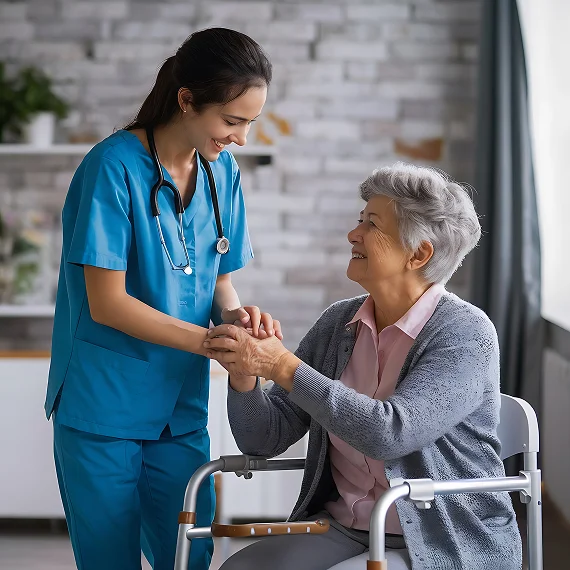
Regular physical movement, even in small amounts, is essential for senior citizens. During check-ins, caregivers can assist them with walking exercises, yoga stretches, or physiotherapy sessions. In India, where many elderly individuals are used to daily temple visits or evening walks, such routines can be modified safely with caregiver supervision to maintain mobility and prevent muscle stiffness or joint issues.
Assistance with Daily Living Activities
Simple tasks like bathing, changing clothes, cleaning the house, or going to the bathroom can become difficult with age. Regular check-ins provide hands-on support for these activities, ensuring seniors maintain their hygiene and dignity. Especially for seniors dealing with arthritis or Parkinson’s, caregiver assistance during check-ins can bring great relief.
Family Peace of Mind
For families living away from their elderly parents—whether in another Indian city or abroad—regular check-ins offer peace of mind. Knowing that someone is consistently looking after their loved one, giving updates, and handling situations when needed, reduces guilt and anxiety among adult children. Many professional home care agencies in India now offer real-time updates via apps or WhatsApp, bridging the distance emotionally and practically.
Building a Relationship of Trust
Consistency breeds trust. When the same caregiver visits regularly, seniors tend to build a rapport. This helps them open up about their needs, fears, and preferences. In a cultural context like India, where emotional bonds are valued, this sense of familiarity and trust is critical for effective elder care. Seniors feel more comfortable expressing discomfort or requesting help from someone they trust.
Early Detection of Behavioral or Cognitive Changes
Dementia, Alzheimer’s, and other memory-related issues can develop gradually. A trained caregiver doing regular check-ins can notice small but critical changes—like misplacing objects frequently, forgetting to turn off gas stoves, or repeating stories. Early detection can lead to quicker diagnosis and management, reducing long-term harm.
Promoting Independence
Contrary to belief, regular check-ins don’t make a senior dependent—they empower them. By receiving just the right amount of help at the right time, elderly individuals in India can continue living in their own homes, retain their routine, and make their own choices. This promotes independence with a safety net in place.
Conclusion: A Small Effort with Big Impact
In the fast-paced life of modern India, regular check-ins offer a simple yet impactful way to care for our elders. Whether it's through family visits, neighbourhood community care, or hiring professional caregivers, making sure that our seniors are regularly seen, heard, and helped is the foundation of respectful and effective elder care. For those seeking senior home care in cities like Chennai, Pune, Kolkata, or smaller towns, regular check-ins should be a non-negotiable part of the care plan. It’s not just about safety—it’s about giving our elders the life they truly deserve.
If you're considering home care solutions for your parents or grandparents, look for agencies or local services that offer scheduled check-ins, medical updates, and personal attention. In the end, care is not measured by the number of hours spent—it’s measured by consistency, compassion, and connection.
Contents
- Monitoring Health and Medical Conditions
- Preventing Emergency Situations
- Emotional Well-being and Mental Health Support
- Ensuring Nutrition and Hydration
- Encouraging Physical Activity and Mobility
- Assistance with Daily Living Activities
- Family Peace of Mind
- Building a Relationship of Trust
- Early Detection of Behavioral or Cognitive Changes
- Promoting Independence
- Conclusion: A Small Effort with Big Impact
Our 24*7 services
Latest Posts
- What Is Respite Care and Why Is It Important
- Affordable home care for senior citizens in India
- Caring for Seniors with Dementia or Alzheimer's at Home
- Senior Caregiving A Guide for Every Family
- How to Write a Caregiver Resume That Gets You Hired
- How Care After Hospital Discharge Speeds Up Recovery at Home
- How to Get Home Health Care for Seniors Through Medicare
- What Does a Senior Citizen Caregiver Really Do at Home
- How to Care for Elderly Parents with Alzheimer’s or Dementia
- How to Get 24-Hour Care for Seniors at Home