As individuals age, maintaining posture and balance becomes more difficult due to natural muscle weakening, reduced bone density, and slower reflexes. In India, where many elderly people live with their families, supporting senior physical well-being at home is essential. Poor posture and balance can lead to falls, injuries, and loss of independence. Fortunately, trained caregivers and family members can adopt effective techniques to improve posture and balance among seniors, significantly enhancing their quality of life.
Let’s explore practical and medically-approved techniques to support elderly posture and balance, while preventing fall-related complications.
Why Posture and Balance Matter in Elder Care
Good posture and balance are essential for seniors to perform daily tasks such as walking, sitting, bending, or climbing stairs safely. Here’s why posture and balance must be prioritised:
- Prevents falls and fractures: Falls are the leading cause of injury-related deaths among the elderly.
- Improves mobility and independence: Better posture enhances stability, which helps seniors move confidently.
- Boosts confidence and mental well-being: The ability to move safely reduces anxiety and depression.
- Supports respiratory and digestive health: Upright posture aids in proper lung expansion and food digestion.
Key Techniques to Improve Elderly Posture and Balance
Posture-Corrective Exercises
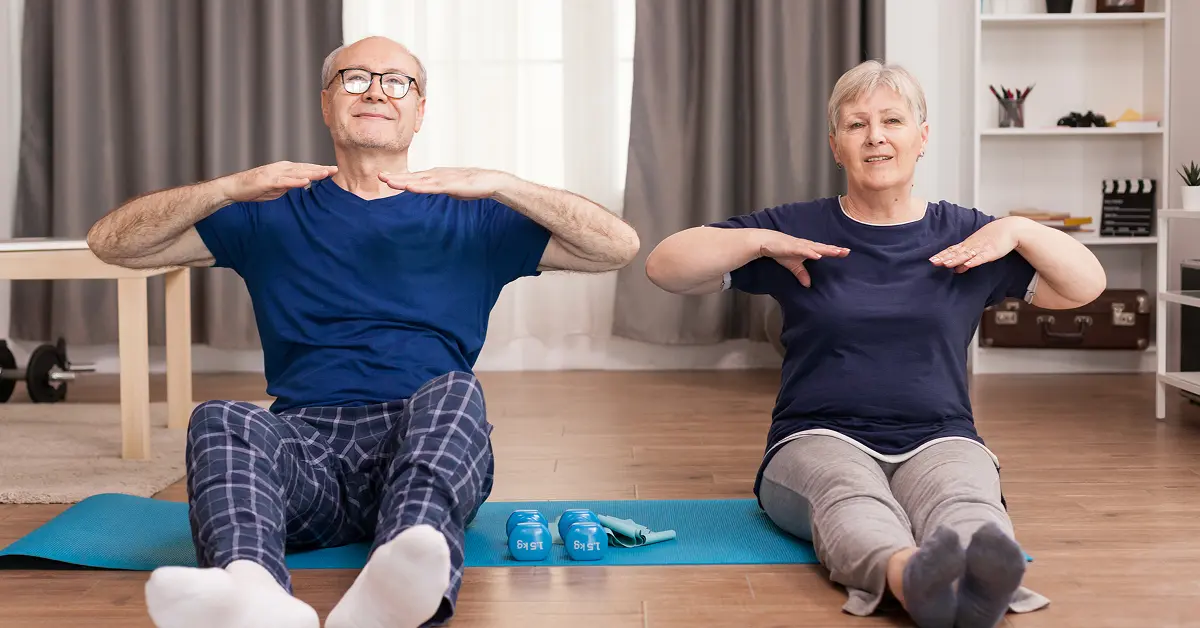
Caregivers can help elderly individuals engage in light exercises that strengthen the core, back, and legs.
Effective exercises include:
- Wall posture check
- Shoulder blade squeezes
- Pelvic tilts and bridges
- Heel-to-toe walking
These exercises should be done under supervision, ideally three to five times a week for best results.
Balance Training Routines
Balance exercises help retrain the body’s sense of spatial awareness.
Recommended activities include:
- Single-leg standing (with support)
- Tai Chi or Yoga
- Marching in place
- Balance boards and foam pads
Assistive Devices and Furniture Adjustments
Home environments must be tailored for elderly mobility.
Examples of supportive tools:
- Walkers, canes, and rollators
- Anti-slip footwear
- Posture-support chairs and cushions
- Grab bars and handrails
Physiotherapy and Professional Guidance
For seniors with specific issues like spinal degeneration, Parkinson’s disease, or stroke recovery, physiotherapy is critical.
Benefits of working with a physiotherapist:
- Customised posture correction plans
- Targeted treatment of balance-related dysfunction
- Use of electrical stimulation and resistance training
- Monitoring of fall risk and gait analysis
Nutritional Support for Bone and Muscle Strength
Diet plays a foundational role in maintaining posture and balance.
Key nutrients include:
- Calcium and Vitamin D
- Protein
- Omega-3 fatty acids
- Hydration
Home Environment Modifications
A clutter-free, well-lit, and safe home makes a big difference in elderly mobility.
Practical changes include:
- Securing loose carpets and wires
- Installing night lights in hallways
- Rearranging furniture to create wide walking paths
- Using raised toilet seats and shower chairs
Foot Health and Regular Checks
Seniors often neglect foot health, which is vital for maintaining balance.
Caregivers should regularly:
- Inspect for corns, calluses, and wounds
- Arrange periodic podiatry visits
- Ensure comfortable, well-fitted footwear
- Trim nails safely
Mind-Muscle Connection through Mindfulness
Mindfulness techniques help seniors become more aware of their body position.
Practices include:
- Slow, conscious movements
- Deep breathing to support spinal alignment
- Meditation to reduce anxiety related to falling
Strengthening Vision and Sensory Response
Vision and touch help the brain coordinate balance.
Strategies:
- Ensure glasses are up-to-date
- Encourage walking with focus on surroundings
- Use textured floor mats
- Treat any ear infections
Tips for Caregivers Supporting Elderly Balance
- Be patient and encouraging during exercises
- Avoid pushing seniors too hard
- Celebrate improvements to boost morale
- Work with doctors and therapists
- Keep emergency contacts and medical kits ready
When to Seek Medical Help
Certain signs require immediate medical consultation:
- Frequent falls or near-falls
- Sudden changes in posture or coordination
- Severe dizziness or unsteadiness
- Muscle weakness or tremors
Conclusion
Maintaining good posture and balance is vital for every senior’s safety, mobility, and dignity. With the right support from caregivers and simple changes in daily habits, elderly individuals can remain active, reduce their fall risk, and enjoy a better quality of life. Whether it’s through gentle exercises, home modifications, or physiotherapy, each small effort makes a lasting impact.
Families across India can adopt these techniques to ensure their aging parents or grandparents feel secure and supported—right from the comfort of their homes.
Contents
Our 24*7 services
Latest Posts
- What Is Respite Care and Why Is It Important
- Affordable home care for senior citizens in India
- Caring for Seniors with Dementia or Alzheimer's at Home
- Senior Caregiving A Guide for Every Family
- How to Write a Caregiver Resume That Gets You Hired
- How Care After Hospital Discharge Speeds Up Recovery at Home
- How to Get Home Health Care for Seniors Through Medicare
- What Does a Senior Citizen Caregiver Really Do at Home
- How to Care for Elderly Parents with Alzheimer’s or Dementia
- How to Get 24-Hour Care for Seniors at Home