Discover how trained caregivers adapt bathrooms for Elderly Care Services use through safety installations, smart design changes, and daily assistance to prevent slips and ensure dignity at home.
Introduction
Bathrooms are often one of the most hazardous places in a home, especially for the elderly. Slippery tiles, high bathtubs, and poor lighting make it a hotspot for accidents and falls. For ageing individuals with mobility or balance issues, using the bathroom independently can become a challenge. This is where trained caregivers play a vital role. By modifying the environment and providing hands-on assistance, caregivers ensure that elderly individuals maintain their hygiene safely and with dignity.
In this blog, we’ll explore how caregivers adapt bathrooms for elderly use in Indian households, ensuring both safety and comfort for ageing family members.
Understanding the Risks for Seniors in Bathrooms
Before making adaptations, caregivers assess the specific risks faced by elderly individuals in the bathroom, such as:
- Slips on wet floors
- Difficulty in getting up from low toilets
- Struggles entering and exiting a bathtub
- Poor lighting that affects visibility
- Inaccessible storage for toiletries and essentials
- Fear of falling leading to reduced hygiene habits
By identifying these problem areas, caregivers can then customise bathroom modifications tailored to the senior’s specific needs.
Installing Anti-Slip Flooring and Mats
The first and most essential step is to prevent slips and falls. Caregivers recommend and assist in the installation of:
- Anti-skid tiles or rubberised flooring in the bathroom
- Anti-slip mats both inside and outside the shower area
- Suction grip mats near sinks and commodes
These simple changes drastically reduce the chances of accidental falls.
Adding Grab Bars and Support Rails
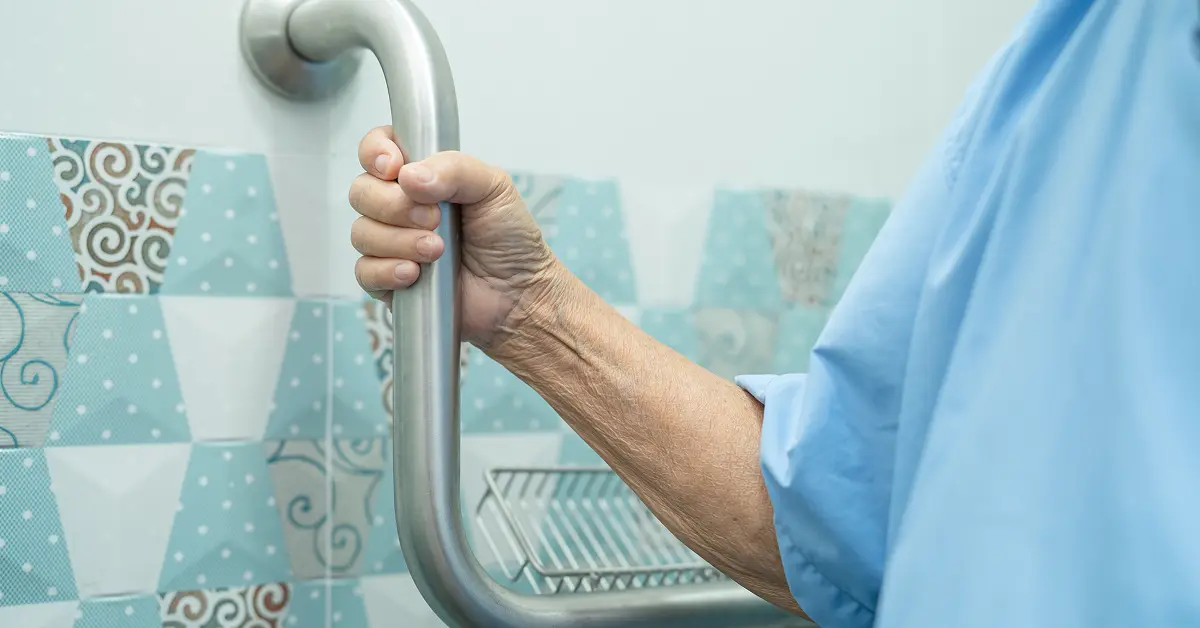
Supportive handrails and grab bars are among the most effective bathroom safety adaptations for elderly users. Caregivers ensure:
- Grab bars are installed near the toilet and inside the shower area
- The bars are firmly screwed into the wall at appropriate heights
- Rails provide support when standing up or sitting down
Toilet Modifications for Comfort and Accessibility
Standard toilets may be too low for seniors, especially those with knee pain or arthritis. Caregivers adapt toilets by:
- Installing raised toilet seats or commode raisers
- Adding armrests for additional balance while sitting
- Using Western-style toilets with bidet attachments for hygiene
- Ensuring the toilet flush lever is within easy reach
Shower and Bath Adaptations
Getting in and out of a bathtub or standing in the shower can be risky for elderly individuals. Caregivers often introduce:
- Wall-mounted or foldable shower chairs
- Handheld showerheads for seated bathing
- Walk-in shower areas or tub cut-outs for easier access
- Proper drainage to prevent water pooling
Improving Bathroom Lighting
Vision tends to decline with age, and poor lighting can lead to falls or mishandling of toiletries. Caregivers enhance visibility by:
- Installing bright LED lights near mirrors and inside the shower
- Ensuring light switches are accessible from the outside
- Using automatic sensor lights for nighttime visits
- Avoiding harsh glares and instead opting for evenly distributed lighting
Organising Bathroom Essentials Smartly
Elders with limited mobility find it hard to reach high shelves or bend down to low cabinets. Caregivers help by:
- Placing frequently used items like soap, toothbrush, and towels at waist height
- Installing wall-mounted shelves instead of cluttered countertops
- Labelling items for seniors with memory issues
- Ensuring everything is within arm’s reach to reduce unnecessary movement
Emergency Alert Systems and Monitoring
In case of a fall or emergency in the bathroom, immediate help is crucial. Some trained caregivers install:
- Waterproof emergency bells or panic buttons inside the bathroom
- Motion sensors that detect prolonged inactivity and alert family members
- Baby monitors or audio sensors if active monitoring is required
- Mobile phone alerts that connect to the caregiver's device
Encouraging Routine and Hygiene with Assistance
Physical modifications alone aren’t enough. Caregivers support the elderly with:
- Regular hygiene routines such as timely bathing and grooming
- Verbal guidance or full physical assistance as required
- Creating a calm, stress-free environment during toileting or bathing
- Respecting the elder’s privacy and dignity at all times
Cultural and Religious Considerations in Indian Homes
In Indian households, certain cultural practices around hygiene, modesty, and gender roles must be considered. Caregivers trained for Indian families are sensitive to:
- Ensuring same-gender caregivers for elderly women or men, if preferred
- Respecting traditional bathing rituals and timings
- Using Indian-style hygiene methods like water-based cleaning
- Understanding family customs regarding prayer before or after bathing
Conclusion
Adapting bathrooms for elderly use is not just about physical changes—it’s a holistic effort that combines smart design, trained assistance, and emotional understanding. Caregivers in India play an indispensable role in making bathrooms safer and more accessible for our ageing parents and grandparents. With simple modifications and empathetic support, caregivers help maintain the elderly’s independence, dignity, and hygiene.
Investing in these adaptations is not just about safety—it’s about offering our seniors the care, comfort, and respect they deserve at home.
Contents
- Introduction
- Understanding the Risks for Seniors in Bathrooms
- Installing Anti-Slip Flooring and Mats
- Adding Grab Bars and Support Rails
- Toilet Modifications for Comfort and Accessibility
- Shower and Bath Adaptations
- Improving Bathroom Lighting
- Organising Bathroom Essentials Smartly
- Emergency Alert Systems and Monitoring
- Encouraging Routine and Hygiene with Assistance
- Cultural and Religious Considerations in Indian Homes
- Conclusion
Our 24*7 services
Latest Posts
- What Is Respite Care and Why Is It Important
- Affordable home care for senior citizens in India
- Caring for Seniors with Dementia or Alzheimer's at Home
- Senior Caregiving A Guide for Every Family
- How to Write a Caregiver Resume That Gets You Hired
- How Care After Hospital Discharge Speeds Up Recovery at Home
- How to Get Home Health Care for Seniors Through Medicare
- What Does a Senior Citizen Caregiver Really Do at Home
- How to Care for Elderly Parents with Alzheimer’s or Dementia
- How to Get 24-Hour Care for Seniors at Home