Caregivers play a crucial role in supporting individuals who are unable to fully care for themselves, whether due to age, illness, disability, or recovery from medical treatment. A fundamental aspect of quality caregiving involves maintaining excellent personal hygiene—both for the caregiver and the person receiving care. In India, where many caregiving situations occur within joint families or domestic setups, the importance of personal hygiene becomes even more significant.
Let’s explore how personal hygiene forms the backbone of daily caregiving routines and its impact on overall health, comfort, and dignity.
Why Personal Hygiene is Vital in Caregiving
- Prevents Infections and Illness: Proper hygiene reduces the risk of bacteria and virus transmission, especially for patients with weak immunity.
- Promotes the Dignity of the Patient: Cleanliness while assisting with personal care helps patients feel respected and valued.
- Encourages Better Mental and Emotional Health: Regular grooming can uplift mood and improve self-esteem in patients.
- Builds Trust and Professionalism: A well-groomed caregiver creates confidence in the family and upholds caregiving standards.
Key Hygiene Responsibilities in a Caregiver's Daily Routine
Morning Care and Grooming
Tasks like brushing, bathing, changing clothes, and combing hair are essential. Caregivers should use clean towels and ensure clothes are fresh.
Toileting and Incontinence Care
Always use gloves, clean the patient thoroughly, and dispose of used diapers or wipes in a hygienic manner to prevent infections.
Meal Preparation and Feeding
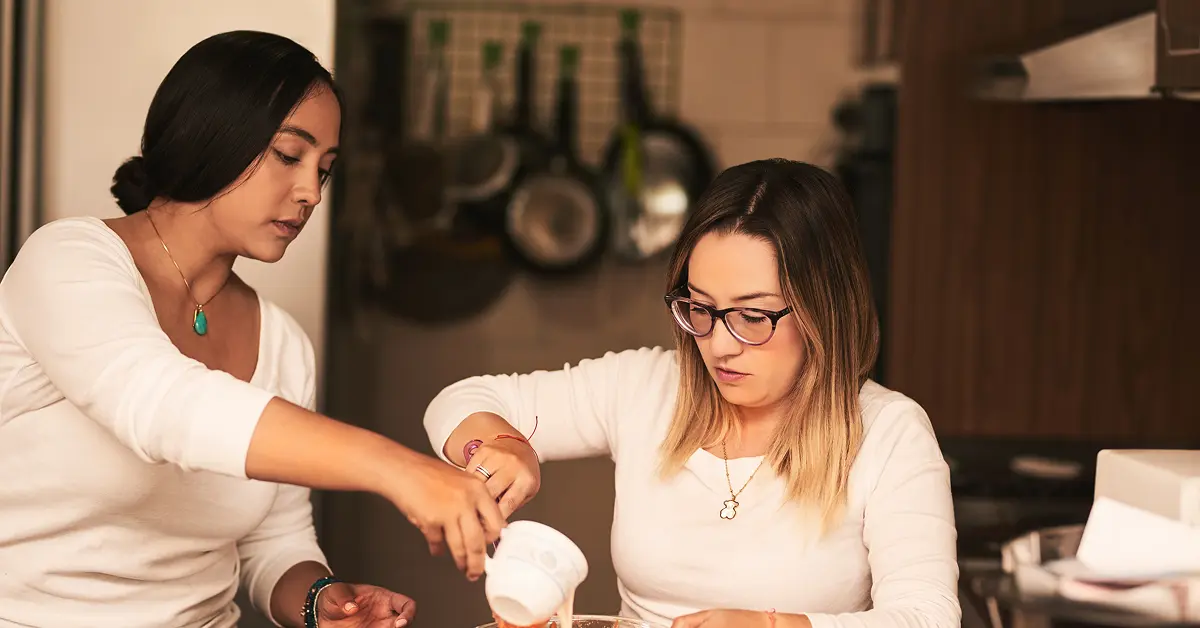
Caregivers should wash hands before cooking, use clean utensils, and ensure hygienic feeding especially when patients are on special diets.
Medication Administration
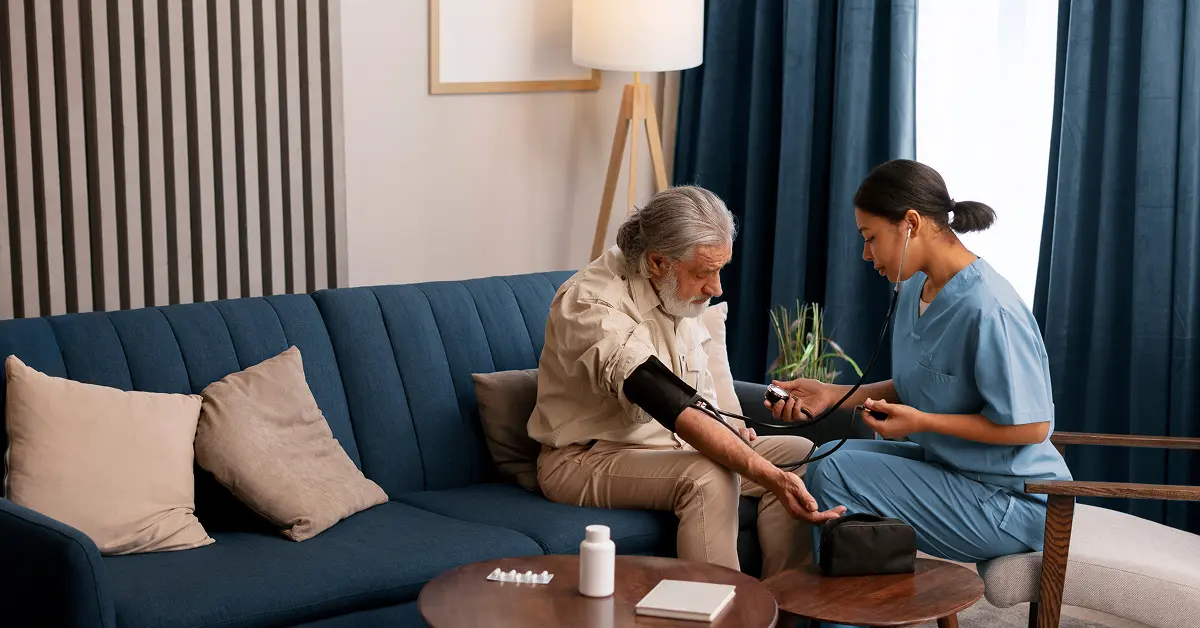
Hand hygiene is crucial before giving medicines. Use alcohol wipes for cleaning injection sites and keep containers germ-free.
Wound and Bed Sore Care
Use sterile gloves, clean the area regularly, and follow wound care protocols to avoid infections and promote healing.
Personal Hygiene for Caregivers
Caregivers must also maintain their own hygiene to ensure patient safety and their personal health.
Tips for Caregiver Personal Hygiene:
- Daily bathing and wearing clean clothes or uniform.
- Frequent handwashing, especially before and after patient contact.
- Keep nails short and hair tied up.
- Wear masks and gloves when needed.
- Use clean, closed-toe footwear within caregiving spaces.
Training and Hygiene Standards
Professional caregivers in India often undergo training in hygiene standards. Agencies provide modules on infection control, sterilization, hand hygiene, and waste management. Families hiring private caregivers should provide guidance on hygiene expectations and necessary supplies.
Challenges in Maintaining Hygiene
Despite good intentions, caregivers may face challenges such as:
- Water Shortages: Especially during summers or in rural areas.
- Lack of Hygiene Supplies: Gloves, diapers, and disinfectants may not be easily available.
- Time Constraints: Managing many tasks may limit time for thorough hygiene routines.
- Patient Resistance: Some elderly individuals may refuse grooming or bathing.
These can be overcome with planning, stocking essentials, and having honest conversations with patients and families.
Cultural Aspects of Hygiene in India
Indian caregiving is influenced by traditions like regular oil massages, use of Ayurvedic products, and religious beliefs regarding personal care. Caregivers should respect and adapt to such preferences while ensuring medical hygiene standards.
Conclusion
The role of personal hygiene in caregiver routines cannot be underestimated. It ensures the health and safety of both the caregiver and the individual being cared for. In a country like India, where caregiving is often done within families or by hired help in homes, awareness and practice of hygiene go a long way in enhancing care quality.
By embedding hygiene into every action—from grooming to feeding to wound care—caregivers not only promote physical health but also emotional well-being and dignity for those they serve. Families, agencies, and caregivers must collaborate to ensure that hygiene remains a non-negotiable part of every caregiving routine.
Contents
Our 24*7 services
Latest Posts
- What Is Respite Care and Why Is It Important
- Affordable home care for senior citizens in India
- Caring for Seniors with Dementia or Alzheimer's at Home
- Senior Caregiving A Guide for Every Family
- How to Write a Caregiver Resume That Gets You Hired
- How Care After Hospital Discharge Speeds Up Recovery at Home
- How to Get Home Health Care for Seniors Through Medicare
- What Does a Senior Citizen Caregiver Really Do at Home
- How to Care for Elderly Parents with Alzheimer’s or Dementia
- How to Get 24-Hour Care for Seniors at Home