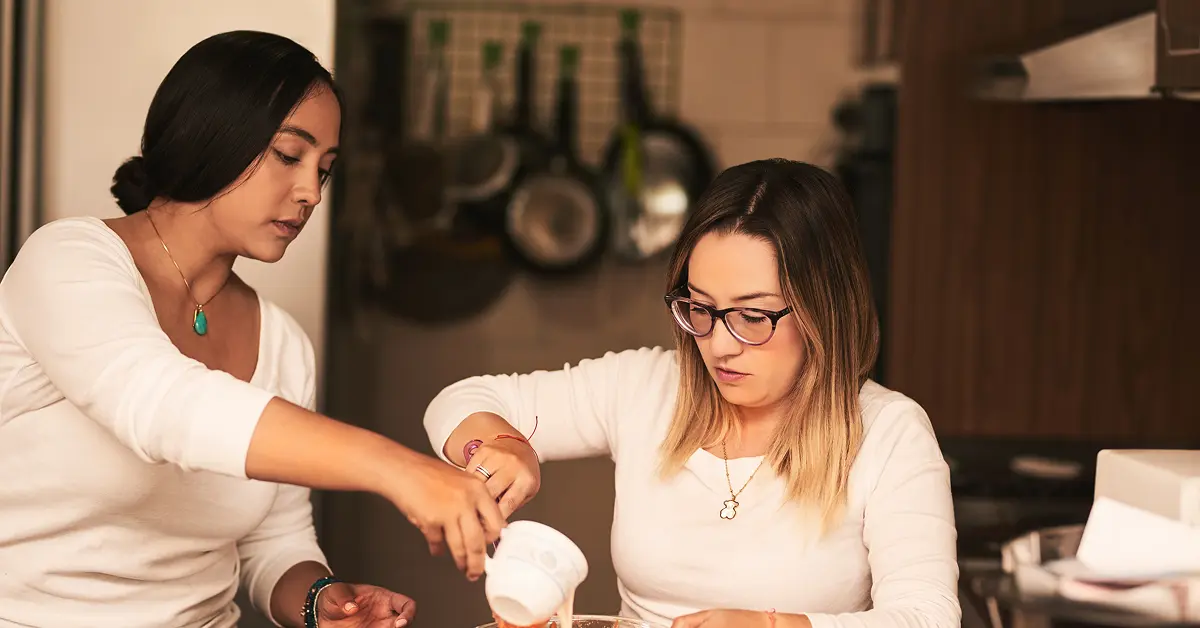
Explore how caregivers in India can adjust their responsibilities to meet evolving Best Caregiver Services at Home environments. Learn effective strategies for adapting to changing care needs and creating a safe, supportive atmosphere.
Introduction
Caregiving is a dynamic responsibility that requires adaptability, empathy, and problem-solving. As the needs of care recipients evolve due to age, illness, recovery from surgery, or emotional changes, so too must the caregiving environment and duties. In India, where multigenerational homes are common and care is often deeply personal, the ability to adapt caregiver duties in response to a changing home environment is especially vital.
This blog post explores how caregivers can identify changes, adapt routines, and restructure home environments to ensure continued high-quality care for loved ones.
Understanding Home Environment Changes
A home environment can change due to a variety of reasons, such as:
- Physical deterioration of the care recipient (e.g., reduced mobility, vision loss)
- Progression of chronic illnesses (e.g., dementia, arthritis, or Parkinson’s disease)
- Post-hospitalisation recovery needs
- Home renovation or relocation
- New additions to the household (e.g., new caregiver, family member)
- Change in the level of care needed (from part-time to full-time or vice versa)
Being attentive to these transitions helps caregivers stay ahead and adapt smoothly.
Reassessing Care Requirements
Before implementing changes, caregivers must reassess the care recipient’s needs. This can include:
- Medical assessments from doctors and physiotherapists
- Functional capability evaluations: Can the person bathe, walk, or eat independently?
- Cognitive evaluations: Especially in cases of dementia or stroke recovery
- Social and emotional needs: Is the person feeling isolated, anxious, or depressed?
Regular assessments provide the foundation for proactive adaptations to caregiving duties.
Physical Adaptations in the Home
When the physical needs of the elderly or ill change, the home must adjust accordingly. Key areas to focus on include:
Mobility and Accessibility
- Install grab bars in bathrooms and near staircases
- Ensure wheelchairs or walkers can move freely
- Use non-slip mats in all rooms
- Raise bed heights or switch to hospital beds if needed
- Keep essentials (like medicine, water, phone) within easy reach
Lighting and Safety
- Improve lighting in hallways and bathrooms to prevent falls
- Use nightlights for better nighttime visibility
- Secure loose wires or carpets
Noise and Comfort Levels
- Create quiet zones for rest and therapy
- Use fans, humidifiers, or air purifiers to ensure physical comfort
Modifying Daily Routines
As needs evolve, so should the daily caregiving routine. Flexibility is key.
Meal Preparation
- Shift from solid to soft or liquid foods if chewing becomes difficult
- Increase the frequency of smaller meals for patients with low appetite
- Introduce nutrient-dense Indian foods like khichdi, dalia, or ragi porridge
Hygiene and Grooming
- Switch to sponge baths or use portable shower seats
- Use adult diapers with regular check-ins for cleanliness
- Grooming must be done gently and more frequently for bedridden patients
Medication and Therapy
- Incorporate reminders using apps or alarms
- Ensure caregivers understand changes in prescriptions
- Regularly monitor vitals and symptoms, keeping records for doctors
Emotional and Mental Adaptation
Caregiving is not just about physical support; emotional well-being is equally critical.
- Spend time engaging the patient in activities they enjoy
- Use simple conversation, devotional music, or memory games for mental stimulation
- Create space for spiritual or religious practices like a home mandir, lighting diya, or playing bhajans
- Be patient during mood swings, especially in dementia or Alzheimer’s patients
If the patient is undergoing emotional distress, professional counseling might be helpful.
Involving Family and Professionals
In Indian homes, caregiving is often shared among family members, but roles may need redistribution when home environments change.
- Delegate tasks such as grocery shopping, cooking, or escorting the patient to doctor visits
- Hire professional caregivers for part-time or full-time help
- Involve physiotherapists, nurses, and palliative care specialists when the need arises
Having a team approach eases the burden on the primary caregiver and improves overall care quality.
Technology as a Support Tool
In today’s digital India, technology can significantly help caregivers adapt to home changes.
- Use health tracking apps to record BP, sugar levels, medications, etc.
- Install security cameras for remote monitoring
- Use emergency alarm systems for patients prone to falls or confusion
- Attend virtual consultations with doctors for timely medical advice
Smart home tools can bridge the gap between traditional caregiving and modern convenience.
Caregiver Self-Care in Changing Environments
Adapting to a changing home environment can be stressful for caregivers too. It's crucial they look after themselves to avoid burnout.
- Take scheduled breaks, even short ones, to rest and recharge
- Talk to friends, support groups, or counselors
- Practise yoga or meditation to manage stress
- Set realistic goals each day – not everything needs to be perfect
A healthy caregiver ensures a healthier environment for the care recipient.
Documenting Changes and Feedback
Keep a record of:
- Changes made in the home environment
- Alterations in medicine or routine
- Symptoms noticed or feedback from the patient
This documentation helps in medical appointments and ensures consistency if multiple caregivers are involved.
Conclusion
Adapting caregiver duties for changing home environments is essential for providing dignified, safe, and effective care. In Indian households, where love, culture, and tradition intertwine with caregiving, it becomes all the more necessary to take a thoughtful and flexible approach.
From rethinking daily routines and modifying the home to embracing technology and involving professional help, adaptation is a continuous journey. Caregivers who remain open and proactive can ensure their loved ones continue to receive comfort, safety, and emotional support — no matter how the environment changes.
Contents
- Introduction
- Understanding Home Environment Changes
- Reassessing Care Requirements
- Physical Adaptations in the Home
- Modifying Daily Routines
- Emotional and Mental Adaptation
- Involving Family and Professionals
- Technology as a Support Tool
- Caregiver Self-Care in Changing Environments
- Documenting Changes and Feedback
- Conclusion
Our 24*7 services
Latest Posts
- What Is Respite Care and Why Is It Important
- Affordable home care for senior citizens in India
- Caring for Seniors with Dementia or Alzheimer's at Home
- Senior Caregiving A Guide for Every Family
- How to Write a Caregiver Resume That Gets You Hired
- How Care After Hospital Discharge Speeds Up Recovery at Home
- How to Get Home Health Care for Seniors Through Medicare
- What Does a Senior Citizen Caregiver Really Do at Home
- How to Care for Elderly Parents with Alzheimer’s or Dementia
- How to Get 24-Hour Care for Seniors at Home