Pain is a complex, often debilitating experience that can affect every part of a person's life. For many Indian families managing recovery at home — whether due to chronic illness, post-surgical healing, or age-related conditions — pain relief becomes a top priority. But pain management is not just about popping pills. It requires careful monitoring, timely medication, lifestyle adjustments, and emotional support — all of which become more manageable under the guidance of a trained caregiver.
In this blog, we explore how trained caregivers contribute to effective pain relief, why their role is essential in home-based care, and how families in India can benefit from their expertise for a safer and more comfortable healing journey.
The Indian Home Care Reality: Why Pain Management Matters
In India, the preference for healing at home is growing rapidly. With limited hospital beds and rising healthcare costs, many families opt for home-based care for loved ones recovering from surgeries, managing arthritis, cancer pain, or age-related degenerative conditions.
However, unmanaged pain can lead to:
- Sleeplessness
- Depression or anxiety
- Reduced mobility
- Delayed healing
- Increased hospital readmissions
This is where trained caregivers come in — bringing not just assistance, but structured, monitored relief plans under medical supervision.
What Does Pain Relief Management Involve?
Pain relief isn't just about medication. A trained caregiver follows a multi-pronged plan based on the doctor’s instructions:
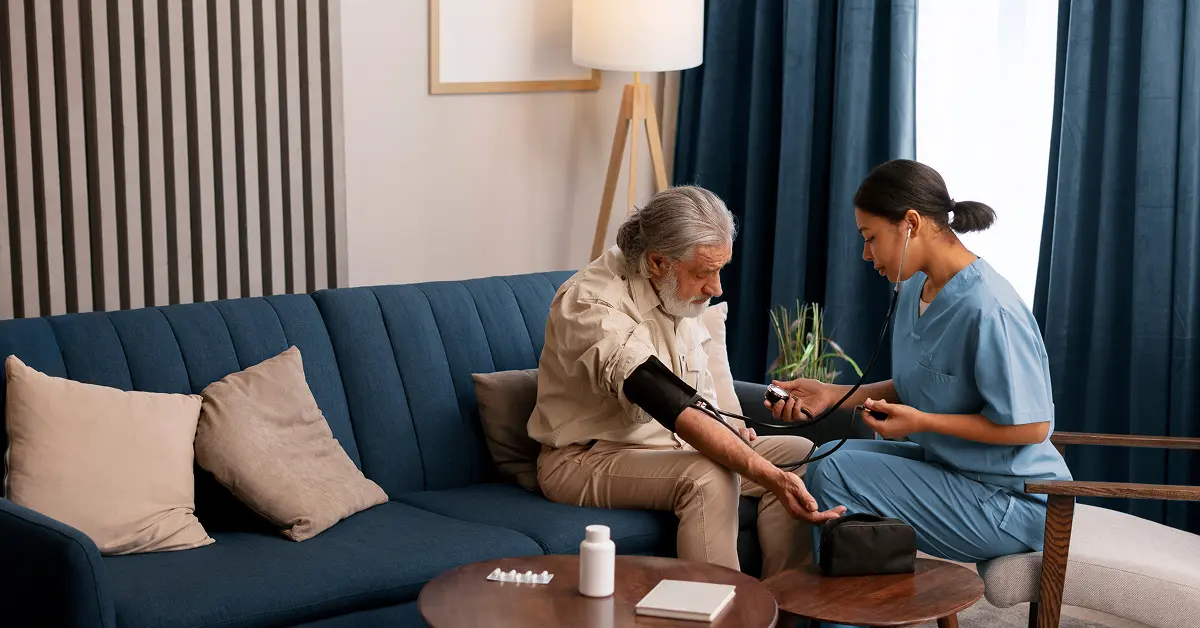
- Administering medications at the right time and dosage
- Monitoring side effects
- Applying physical therapies like hot/cold compresses, gentle massages, and guided mobility
- Emotional support during flare-ups or when pain becomes psychologically overwhelming
- Communication with doctors and physiotherapists for periodic pain assessments
Trained Caregivers: Their Role in Pain Management
Ensuring Timely Medication
Most pain medications must be administered at specific intervals to be effective. Trained caregivers maintain a strict schedule, preventing overdosing or missed doses — both of which can lead to complications.
Non-Medical Pain Relief Techniques
Indian homes are now increasingly using traditional and alternative methods like warm compresses, guided yoga stretches, breathing exercises, and aromatherapy. A well-trained caregiver knows when to use these techniques and how to integrate them with modern pain relief without interference.
Physical Movement & Assisted Mobility
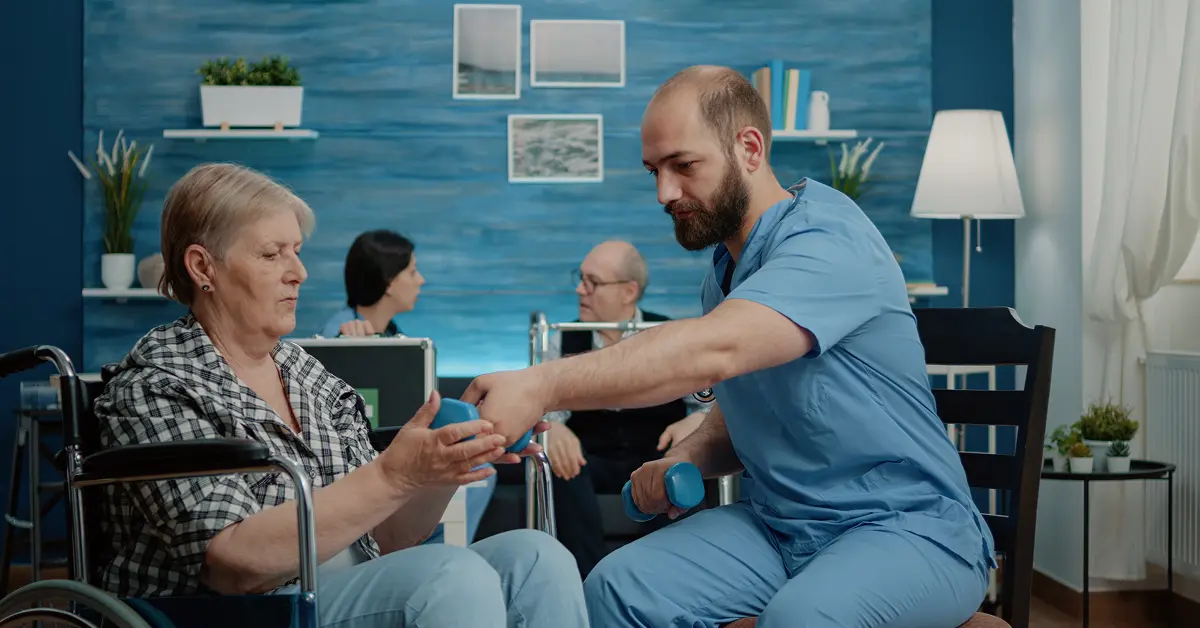
Pain often leads to immobility, which in turn worsens the pain. A caregiver gently encourages safe movement, mobility exercises, and postural support using walkers, wheelchairs, or range-of-motion exercises.
Emotional and Mental Support
Pain can be depressing. Especially among seniors or long-term illness patients, it may trigger anxiety or loneliness. A caregiver offers companionship, encouragement, and emotional reassurance that becomes therapeutic.
Keeping Pain Journals
Documentation is key. A trained caregiver often maintains a pain diary — noting intensity levels, triggers, effectiveness of medication, and behavioral changes — which helps doctors adjust treatment plans better.
Special Focus: Pain Relief for Indian Seniors
Indian seniors often suffer from osteoarthritis, spondylitis, diabetic neuropathy, and post-stroke conditions. These require highly personalized care.
Caregivers trained in geriatric care understand:
- Fragile bones and fall risks
- Drug interactions in aged bodies
- Dietary restrictions affecting pain or inflammation
- Gentle therapies to reduce discomfort
They also make lifestyle adjustments like rearranging furniture for safety and ensuring hydration — which indirectly support pain relief.
Pain Management After Surgery: Why Caregiver Help Is Crucial
Post-surgical pain can be intense. Family members may not be equipped to:
- Identify wound pain vs infection pain
- Handle dressing without causing discomfort
- Encourage gentle physiotherapy
- Maintain hygienic pain relief methods like cold packs
Trained caregivers follow sterilized protocols and ensure pain doesn’t become a barrier to recovery.
Collaborating With Doctors & Physiotherapists
Pain management must always align with professional advice. Caregivers act as a communication bridge by:
- Reporting symptoms accurately
- Implementing prescribed therapies
- Updating doctors on changes
- Escorting the patient during checkups
Home Remedies & Pain: What Works and What to Avoid
In India, home remedies like turmeric milk, herbal oils, and ayurvedic powders are common. However, these should be used with caution. A trained caregiver:
- Consults the doctor before using any traditional remedy
- Understands when a remedy is worsening the pain
- Monitors allergic or adverse reactions
How to Choose a Pain Management Caregiver in India
Qualities to look for:
- Certified from a reputed caregiver training institute
- Experience in post-operative or chronic pain care
- Basic understanding of pharmacology
- Familiarity with elderly care techniques
- Strong references or reviews
Home caregiver services like Portea, Nightingales, and Care24 often provide pain care specialists on request.
Conclusion: Comfort With Caution
Pain is a silent barrier to recovery and dignity. Managing it without expert guidance can lead to dangerous outcomes. Trained caregivers offer the perfect balance of care and caution, ensuring patients feel supported and gradually healed — within the warmth of their own home.
In the Indian context, where family support is strong but often untrained, professional caregivers fill the gap between love and skill. Investing in their support ensures not just pain relief but peace of mind for the entire family.
Need Home-Based Pain Management in India?
Explore caregiver services in your city and consult your doctor to design a pain relief plan that includes trained support. Let recovery be comforting, not chaotic.
Contents
- The Indian Home Care Reality: Why Pain Management Matters
- What Does Pain Relief Management Involve?
- Trained Caregivers: Their Role in Pain Management
- Special Focus: Pain Relief for Indian Seniors
- Pain Management After Surgery: Why Caregiver Help Is Crucial
- Collaborating With Doctors & Physiotherapists
- Home Remedies & Pain: What Works and What to Avoid
- How to Choose a Pain Management Caregiver in India
- Conclusion: Comfort With Caution
Our 24*7 services
Latest Posts
- What Is Respite Care and Why Is It Important
- Affordable home care for senior citizens in India
- Caring for Seniors with Dementia or Alzheimer's at Home
- Senior Caregiving A Guide for Every Family
- How to Write a Caregiver Resume That Gets You Hired
- How Care After Hospital Discharge Speeds Up Recovery at Home
- How to Get Home Health Care for Seniors Through Medicare
- What Does a Senior Citizen Caregiver Really Do at Home
- How to Care for Elderly Parents with Alzheimer’s or Dementia
- How to Get 24-Hour Care for Seniors at Home