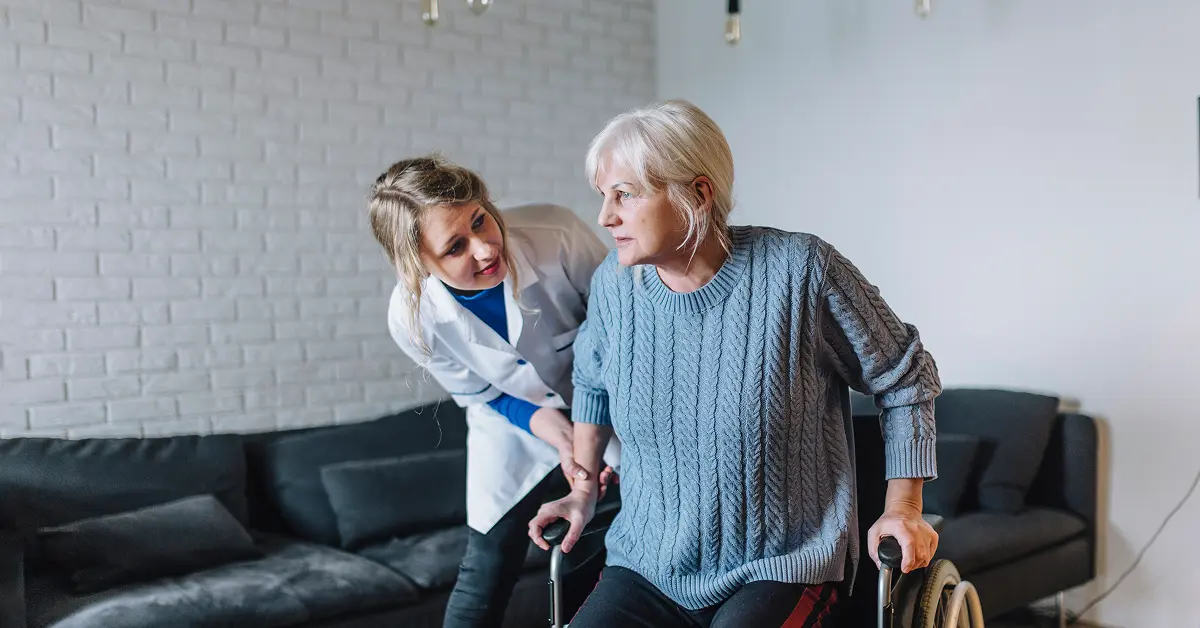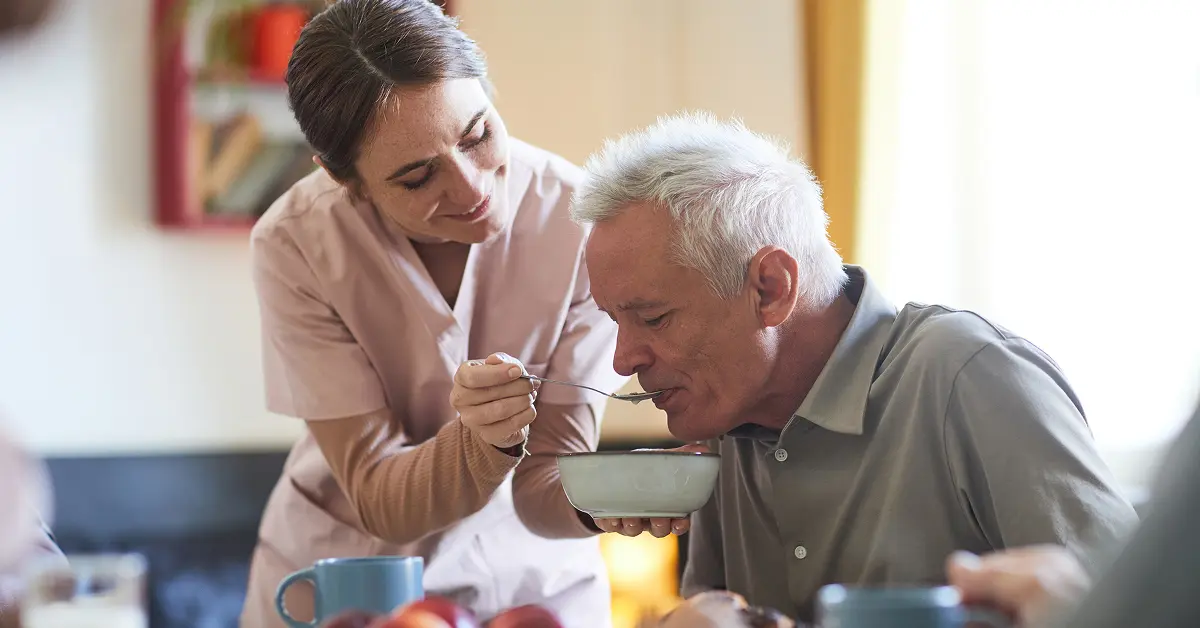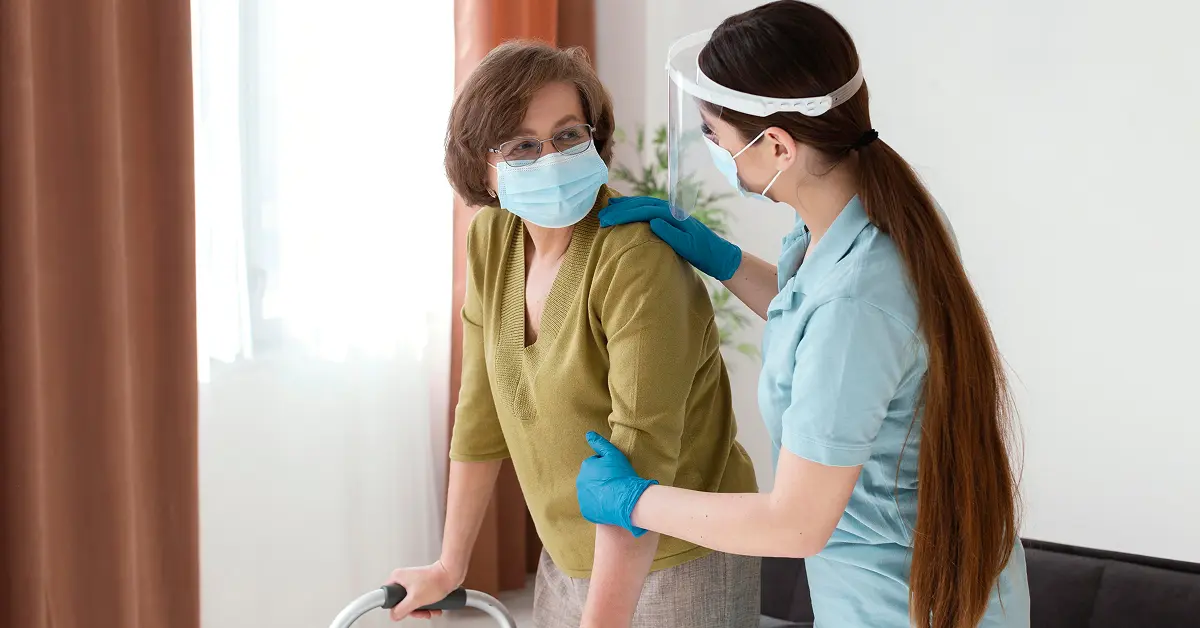
Home-based recovery is increasingly becoming a preferred choice for patients after surgery, illness, or hospitalization. The comfort of familiar surroundings, combined with lower costs, makes it an appealing option for Indian families. However, ensuring safety and continuous health monitoring at home can be challenging without proper support. This is where bedside monitoring devices play a crucial role.
These smart devices have transformed Hospital Discharge by enabling real-time tracking of vital health parameters. From managing chronic diseases to supervising post-operative recovery, bedside monitors ensure timely alerts, reduce caregiver burden, and offer peace of mind to both families and healthcare providers.
What Are Bedside Monitoring Devices?
Bedside monitoring devices are electronic systems that continuously track and display a patient’s physiological data, such as:
- Heart rate
- Blood pressure
- Oxygen saturation (SpO₂)
- Temperature
- Respiratory rate
- Blood glucose levels
These devices are typically compact, user-friendly, and designed for home use. Some even connect to mobile apps or cloud systems, allowing remote healthcare teams to access patient data in real-time.
Key Benefits of Bedside Monitoring in Home Recovery
A. Early Detection of Complications
One of the greatest advantages of bedside monitors is their ability to detect early warning signs. Whether it’s a drop in oxygen levels or a spike in heart rate, these alerts can help prevent emergencies.
B. Round-the-Clock Supervision Without Hospital Stay
Home monitoring allows 24/7 surveillance without the heavy cost of extended hospitalization. Patients can rest comfortably in their own beds while families receive live updates or alarms through connected devices.
C. Empowered Caregiving
Caregivers can feel more confident when equipped with real-time data. It reduces the need for guesswork and enables accurate decisions on when to call a doctor or adjust treatment.
D. Improved Patient Compliance
With data-backed feedback, patients are more likely to follow recovery routines. If a monitor shows high blood pressure, a patient might be more willing to adopt dietary changes or take medication seriously.
E. Remote Health Team Involvement
Hospitals now offer remote monitoring services where doctors and nurses supervise your health data digitally. This enhances post-discharge care quality, especially for high-risk individuals.
Commonly Used Bedside Monitoring Devices in Indian Homes
- Pulse Oximeters: Monitor oxygen levels for respiratory illnesses.
- Digital Thermometers: Detect fever post-surgery or infection.
- Blood Pressure Monitors: Crucial for patients with hypertension or heart conditions.
- Glucometers: Track blood sugar levels for diabetic patients.
- ECG Monitors: Record heart rhythm and report issues.
- Multi-Parameter Monitors: Track multiple vitals, ideal for critical observation.
How Technology Supports Better Recovery Outcomes
Many bedside devices now offer Bluetooth or Wi-Fi connectivity, enabling:
- Health data syncing to hospital servers
- Automated medication reminders
- Daily health reports to family or doctors
- Cloud storage of vitals history
These features are helpful in rural or tier-2 cities, where hospitals may be far but connectivity is decent.
Tips for Choosing the Right Monitoring Devices in India
- Check for BIS Certification: Ensure safety standards.
- Battery Backup: Useful in areas with power cuts.
- Language Support: Devices with Hindi or local language menus.
- Ease of Use: Simple controls for elderly or non-tech-savvy users.
- Service & Warranty: Prefer brands with local service support.
Real-Life Example: Recovery from Heart Surgery at Home
Mr. Arora, a 68-year-old from Chandigarh, had undergone bypass surgery. Instead of staying in the hospital, his family used a home recovery plan with:
- BP monitor
- Pulse oximeter
- Temperature scanner
- Digital ECG patch
- Teleconsultation with a cardiologist
With daily monitoring and remote check-ins, Mr. Arora made a strong recovery and avoided readmission.
Challenges to Watch For
- Incorrect usage: Follow manuals carefully.
- Over-reliance on devices: Don’t skip medical supervision.
- Data security: Use secure networks for syncing data.
The Future of Home-Based Monitoring in India
With initiatives like Ayushman Bharat and growth of telehealth platforms, bedside monitoring will become part of standard post-discharge care. Government packages may soon include these devices as part of home health services.
Conclusion
Bedside monitoring devices are revolutionising the way we approach home recovery in India. They bring hospital-grade vigilance into the comfort of your home, making it easier to manage chronic conditions, supervise post-operative care, and respond to health emergencies in time. For families and caregivers, they provide the assurance that loved ones are safe, supported, and under continuous observation—even when medical professionals aren’t physically present.
As technology evolves, these tools will become more affordable, accurate, and accessible to every Indian household seeking better healthcare at home.
Contents
- What Are Bedside Monitoring Devices?
- Key Benefits of Bedside Monitoring in Home Recovery
- Commonly Used Bedside Monitoring Devices in Indian Homes
- How Technology Supports Better Recovery Outcomes
- Tips for Choosing the Right Monitoring Devices in India
- Real-Life Example: Recovery from Heart Surgery at Home
- Challenges to Watch For
- The Future of Home-Based Monitoring in India
- Conclusion
Our 24*7 services
Latest Posts
- What Is Respite Care and Why Is It Important
- Affordable home care for senior citizens in India
- Caring for Seniors with Dementia or Alzheimer's at Home
- Senior Caregiving A Guide for Every Family
- How to Write a Caregiver Resume That Gets You Hired
- How Care After Hospital Discharge Speeds Up Recovery at Home
- How to Get Home Health Care for Seniors Through Medicare
- What Does a Senior Citizen Caregiver Really Do at Home
- How to Care for Elderly Parents with Alzheimer’s or Dementia
- How to Get 24-Hour Care for Seniors at Home