Discover how caregivers in India build trust with patients and families through consistent, clear, and compassionate communication. Learn tips for improving Patient Care relationships.
Introduction
Trust is the cornerstone of any caregiving relationship. Whether a caregiver is supporting an elderly person, a child, or someone recovering from an illness or surgery, trust allows care to be received with openness and cooperation. In India, where caregiving often blends professional services with strong emotional bonds, communication plays a vital role in nurturing this trust.
Regular communication between caregivers, patients, and their families helps establish expectations, convey empathy, and strengthen personal connections. This blog explores how caregivers can build and maintain trust through consistent, respectful, and honest communication.
Why Trust Matters in Caregiving
In caregiving, trust leads to better cooperation, reduced anxiety, and more effective health outcomes. A patient who trusts their caregiver is more likely to follow instructions, share concerns, and accept assistance. For families, knowing that their loved one is in capable and caring hands provides peace of mind.
In India, where family values and emotional care go hand in hand, trust is not just a professional requirement—it’s a human need. Building that trust takes time, and regular communication is the bridge that connects understanding to empathy.
Key Ways Caregivers Build Trust Through Communication
Daily Updates and Transparent Reporting
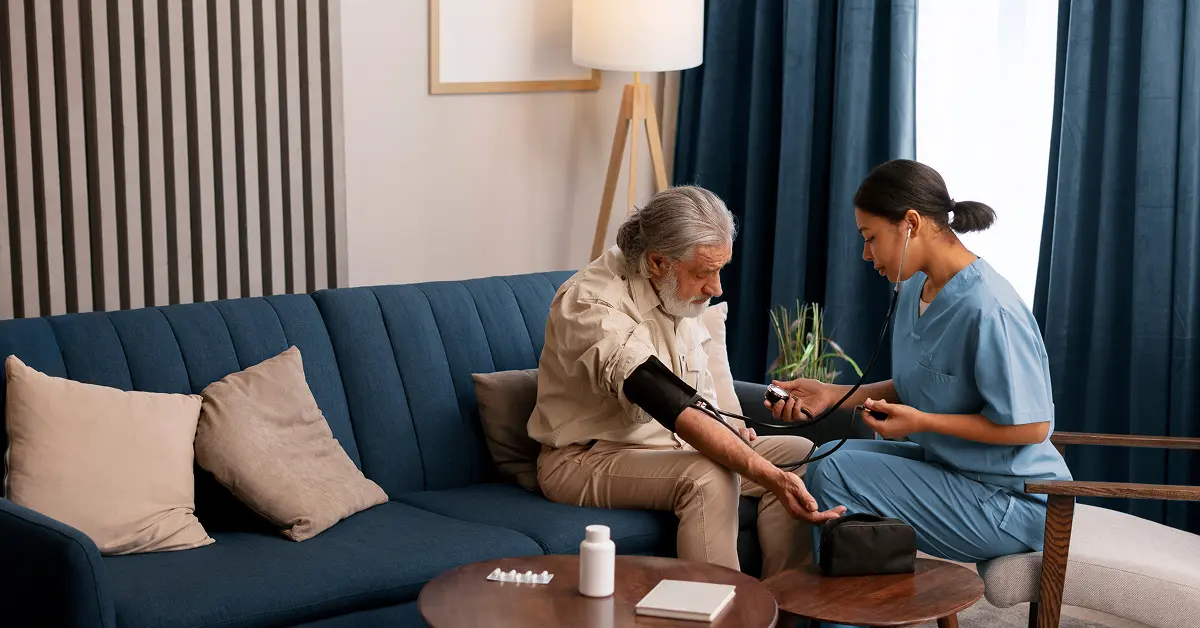
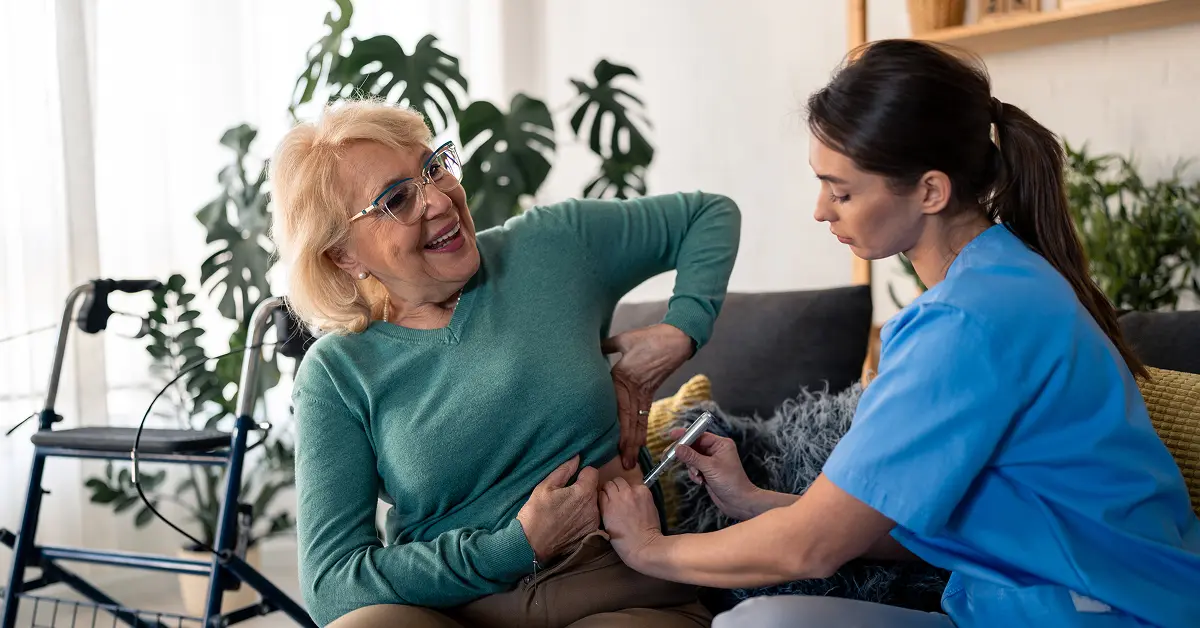
Caregivers who provide daily updates to both patients and their families establish themselves as reliable. This could include a short summary of how the day went, what meals were served, whether medication was taken, or any changes in the patient’s condition.
For example: “Today’s sugar levels were stable. Auntie ate her breakfast well and went for a 15-minute walk. She also took her medicine on time.”
Listening Actively
Communication is not just about speaking—it’s equally about listening. Caregivers build trust when they listen to the patient’s needs, fears, or preferences without judgment or haste. Active listening involves making eye contact, asking follow-up questions, and showing genuine interest.
Using Simple and Clear Language
Caregivers often need to explain medical or health-related topics. Using jargon or overly complex language can confuse or alienate patients and families. Trust grows when caregivers communicate clearly and ensure that everyone understands the situation, treatment plans, and care routines.
For example, instead of saying, “The medication is for glycemic regulation,” a caregiver can say, “This tablet helps to control your sugar levels.”
Showing Consistency and Reliability
When caregivers maintain a consistent routine and follow through on what they promise, their words gain weight. If a caregiver says they will give a sponge bath at 7 AM and does so every day, it reflects dependability. This consistency builds trust over time.
Even in verbal communication, consistent messaging is key. Saying one thing and doing another can quickly erode trust.
Role of Technology in Enhancing Communication
Modern caregiving in India is being supported by digital tools. Apps like WhatsApp, Zoom, and caregiver service platforms enable real-time updates and video check-ins with family members. Caregivers who use technology effectively can maintain transparency and foster ongoing trust even when family members are living in different cities or abroad.
Handling Difficult Conversations
Trust isn’t only built during good days. It is tested and strengthened when things go wrong. If a patient refuses to take medication or experiences a fall, caregivers must communicate openly and honestly with the family.
Being upfront, taking responsibility where needed, and offering a clear action plan earns respect. Avoiding blame and focusing on solutions helps caregivers maintain their credibility and trustworthiness.
Building Cultural and Emotional Sensitivity
In Indian households, emotional care is as important as physical care. Understanding religious practices, food preferences, and family values makes a big difference. A caregiver who asks before serving non-vegetarian food or respects religious rituals during caregiving hours demonstrates cultural sensitivity, which naturally builds trust.
Also, using local languages or familiar phrases makes communication more personal and reassuring.
Training and Professionalism in Communication
Professional caregiver training often includes communication skills as a key module. Caregivers are taught to:
- Maintain patient confidentiality.
- Communicate clearly with healthcare providers.
- Report accurately to families.
- Manage conflict calmly.
When caregivers apply these skills, their communication becomes more professional and trustworthy.
Family Involvement Builds Mutual Trust
Trust in caregiving is not one-sided. Families also need to trust the caregiver, but caregivers must feel safe and respected too. When families treat caregivers as part of the extended family, include them in decisions, and value their inputs, the communication becomes two-way and the relationship becomes more cooperative.
Tips for Caregivers to Improve Communication and Build Trust
- Check in regularly – A simple “How are you feeling today?” can open dialogue.
- Maintain a communication log – Jot down daily routines and important events.
- Be honest about limitations – If something is not within the caregiver’s scope, say so clearly.
- Respect privacy and dignity – Never discuss patient issues publicly or disrespectfully.
- Be empathetic – Show care in both words and tone.
Conclusion
Trust in caregiving doesn't happen overnight. It grows through consistent, thoughtful, and respectful communication. In India, where caregiving often involves emotional closeness and strong family ties, the way a caregiver speaks, listens, and responds matters deeply.
Whether you're a professional caregiver or a family member offering care, making communication a daily habit will go a long way in earning the trust of the person you're caring for—and that trust is the foundation for comfort, healing, and mutual respect.
If you’re looking for professional caregivers who are trained in effective communication and patient care, consider consulting a trusted home care service provider near you.
Let trust begin with a conversation.
Contents
- Introduction
- Why Trust Matters in Caregiving
- Key Ways Caregivers Build Trust Through Communication
- Role of Technology in Enhancing Communication
- Handling Difficult Conversations
- Building Cultural and Emotional Sensitivity
- Training and Professionalism in Communication
- Family Involvement Builds Mutual Trust
- Tips for Caregivers to Improve Communication and Build Trust
- Conclusion
Our 24*7 services
Latest Posts
- What Is Respite Care and Why Is It Important
- Affordable home care for senior citizens in India
- Caring for Seniors with Dementia or Alzheimer's at Home
- Senior Caregiving A Guide for Every Family
- How to Write a Caregiver Resume That Gets You Hired
- How Care After Hospital Discharge Speeds Up Recovery at Home
- How to Get Home Health Care for Seniors Through Medicare
- What Does a Senior Citizen Caregiver Really Do at Home
- How to Care for Elderly Parents with Alzheimer’s or Dementia
- How to Get 24-Hour Care for Seniors at Home