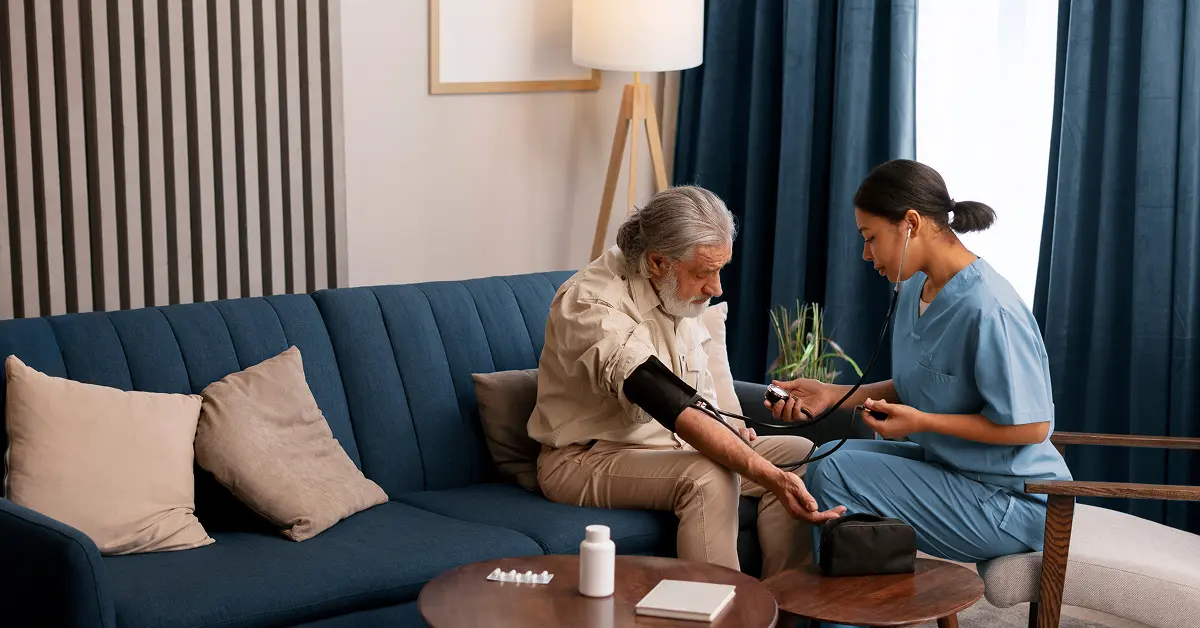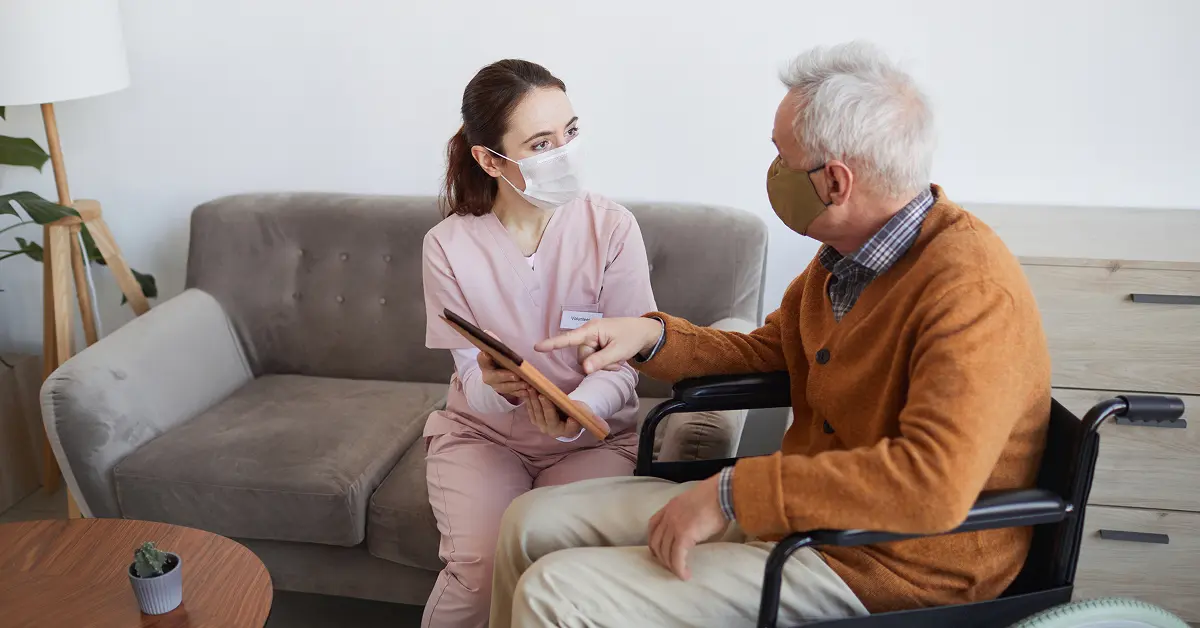
In India, the elderly population is growing rapidly, and with it, the need for consistent health management. One of the most common challenges faced by aging parents and their caregivers is adhering to a strict medication schedule. Missing a dose, taking the wrong pill, or taking medicines at incorrect intervals can lead to serious health complications. To counter this, daily reminder systems for elder medication schedules have emerged as an effective solution to support timely and accurate medicine intake.
This blog post will explore the various types of daily reminder systems available, their benefits, and practical tips to implement them in Indian households. Whether you’re a family caregiver or part of a professional Elderly Care Services this guide will help you improve medication adherence and reduce stress for both elders and their caretakers.
Why Medication Reminders Are Essential for Elders
As individuals age, they often face a range of chronic conditions such as diabetes, hypertension, arthritis, and heart disease. These illnesses require regular medications, sometimes multiple times a day. However, aging also brings cognitive decline, memory issues, or visual impairment, making it difficult to follow complex medication routines.
Without proper reminders:
- Medications may be skipped or taken twice.
- Health conditions may worsen due to irregular intake.
- Emergency hospital visits may increase.
- Overall well-being and independence can decline.
Hence, a consistent and effective medication reminder system is vital to ensuring elderly safety and promoting peace of mind among caregivers.
Types of Daily Reminder Systems for Elders
Manual Reminder Methods
These are simple and cost-effective but require consistent effort from caregivers or elders.
- Pill Organizer Boxes: Compartmentalized for daily or weekly usage, these boxes help sort pills according to time slots.
- Sticky Notes and Charts: A whiteboard or chart on the wall with timings and medicine names.
- Alarm Clocks: Basic alarms set at specific times to remind elders to take their medicine.
Best for: Independent seniors who are mentally alert or homes with full-time family caregivers.
Mobile Phone Reminders
Smartphones are now common among Indian elders, especially in urban areas.
- Alarm App: Simple alarms with labels for medicine names.
- Calendar Alerts: Schedule daily, weekly, or monthly medicine routines.
- Voice Notes or Family Calls: Recording reminders or calling them during medicine time.
Best for: Tech-savvy elders or caregivers who monitor remotely.
Medication Reminder Apps
There are several Indian and global apps designed specifically for medicine management:
- MediSafe
- MyTherapy
- Netmeds Reminder
- Pill Reminder & Medication Tracker
These apps offer features like:
- Refill alerts
- Dose tracking
- Notifications for missed doses
- Caregiver notifications
Best for: Families with smartphone access and multiple medicines in the routine.
Smart Devices and Wearables
Advanced tech-based options include:
- Smart Pill Dispensers: These devices beep or light up at scheduled times.
- Smartwatches: Wearable devices that provide vibration and voice reminders.
- Voice Assistants (like Alexa): Voice alerts with programmed reminders.
Best for: Elders with mild memory loss or caregivers managing from a distance.
Key Features to Look for in a Reminder System
- Ease of Use: The system must be simple enough for elders to understand.
- Multiple Reminders: For those taking medicines more than once a day.
- Alert Type: Sound, vibration, voice – choose based on elder's hearing ability.
- Caregiver Access: Ability for caregivers to monitor or be alerted on missed doses.
- Language Support: Prefer systems with regional language support (Hindi, Tamil, Bengali, etc.)
Implementing a Reminder System: Tips for Indian Families
- Customize According to the Elder’s Routine: Match reminder times with daily activities (after breakfast, before bedtime) to create natural cues.
- Involve the Elder in Setup: Allowing elders to participate in setting up reminders makes them feel independent and respected.
- Monitor and Review Weekly: Cross-check pill organizer or app history to confirm doses were taken. Adjust reminders as per any prescription change.
- Combine Tech with Human Support: Encourage family members to make reminder calls or physically check in when possible.
- Educate on the Importance of Adherence: Explain why regular medication is crucial, using relatable examples. This increases willingness and cooperation.
Common Challenges and How to Overcome Them
| Challenge | Solution |
|---|---|
| Elders ignoring alarms | Use voice reminders or ask a family member to call. |
| Forgetting after reminder rings | Use smart dispensers that release pills only at set times. |
| Resistance to using tech | Start with simple tools like labeled alarms or family call support. |
| Confusing multiple medications | Colour-code pills or use labelled organizers with timings. |
Cultural Considerations in Indian Context
- Joint Families: Use shared responsibility. Assign medicine time duties to different family members.
- Language Barriers: Choose reminder systems with local language options.
- Rural Areas: Focus on low-tech solutions like alarm clocks, phone calls, and community health workers.
- Religious Schedules: Align medicine timings with prayer or meal times for better adherence.
Conclusion
Daily reminder systems for elder medication schedules are more than just alarms or apps — they are lifelines that promote healthier, safer, and more independent aging. By adopting the right mix of tools and habits, Indian families can ensure their elderly loved ones never miss a dose.
Whether you choose a simple pillbox or an advanced smartwatch, consistency, simplicity, and caregiver involvement are the keys to success. Start small, stay regular, and build a system that works for your unique household.
Contents
Our 24*7 services
Latest Posts
- What Is Respite Care and Why Is It Important
- Affordable home care for senior citizens in India
- Caring for Seniors with Dementia or Alzheimer's at Home
- Senior Caregiving A Guide for Every Family
- How to Write a Caregiver Resume That Gets You Hired
- How Care After Hospital Discharge Speeds Up Recovery at Home
- How to Get Home Health Care for Seniors Through Medicare
- What Does a Senior Citizen Caregiver Really Do at Home
- How to Care for Elderly Parents with Alzheimer’s or Dementia
- How to Get 24-Hour Care for Seniors at Home