In Indian households, the elderly population is growing steadily, and with age comes mobility challenges. Whether it's due to ageing, post-surgery recovery, or physical disabilities, mobility restrictions demand thoughtful home modifications. A caregiver plays a vital role in assisting families to create mobility-friendly rooms that are safe, accessible, and comfortable for Patient Care with limited movement. This blog explores the practical ways caregivers help in transforming living spaces into mobility-friendly environments.
Understanding the Importance of Mobility-Friendly Rooms
Mobility-friendly rooms are designed to reduce fall risks, enhance accessibility, and support the independence of individuals with limited movement. For senior citizens, especially those recovering from surgeries or managing chronic conditions, their environment significantly impacts their safety and mental well-being. In Indian homes, traditional designs often lack the facilities required for easy mobility, which makes the role of trained caregivers crucial.
Room Layout Optimization
Caregivers begin by assessing the layout of the room. They ensure that frequently used items are within easy reach and remove unnecessary furniture or clutter that could hinder movement. Common adjustments include widening pathways between furniture, ensuring a straight and unobstructed route from the bed to the washroom, and relocating furniture that blocks access to switches or cupboards.
Installation of Grab Bars and Railings
To reduce fall risk, caregivers recommend and assist in installing grab bars near beds, toilets, and in showers. These support bars help elders stand or sit without assistance. Railings are especially important in Indian homes where multi-level floors or small step-ups are common. Caregivers also educate families about proper positioning and secure installation of these bars.
Anti-Slip Flooring and Rugs
Slippery floors and loose rugs are a major hazard. Caregivers identify such risks and recommend anti-slip mats, especially in washrooms and near entrances. They also help remove or secure carpets and runners to prevent tripping. In Indian households, where marble or tiled flooring is common, using rubber-backed mats or flooring solutions can significantly reduce accidents.
Proper Lighting and Visibility
Dim lighting increases the risk of falls. Caregivers help ensure that all areas of the room, especially walkways and corners, are well-lit. Motion-sensor night lights near the bed and bathroom, or glow-in-the-dark switches, can enhance safety during nighttime movement. Caregivers also advise on replacing fused bulbs promptly and keeping remote controls or switches accessible from the bed.
Easy-to-Use Furniture
Heavy or low-seated furniture can be difficult for seniors to use. Caregivers recommend ergonomic chairs with armrests and raised beds for easier transfer. In some cases, bed risers or adjustable beds are suggested. Caregivers also help with selecting and arranging lightweight chairs or stools for use in dressing or while bathing.
Accessibility of Essential Items
Caregivers rearrange daily-use items so that they are within arm’s reach. Medicines, phones, eyeglasses, and water bottles are placed on side tables or wall-mounted holders. Cupboards are organized so that frequently used clothes and accessories are kept at waist level. This minimises the need to bend or stretch excessively.
Mobility Aids and Equipment
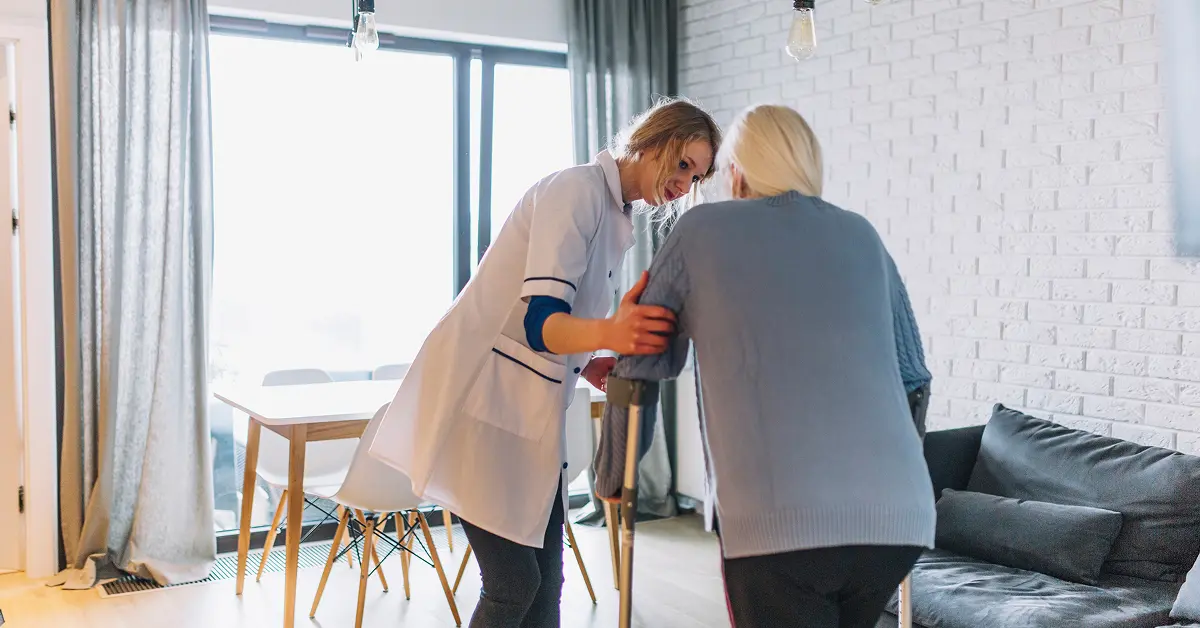
Caregivers are trained to recommend appropriate mobility aids such as walkers, wheelchairs, and canes. They also guide family members on using these aids correctly and safely. In addition, caregivers assist with regular cleaning and positioning of these tools so they are readily accessible. For bed-bound patients, equipment like overbed tables or transfer boards might also be incorporated.
Bathroom Modifications
Bathrooms can be dangerous for those with limited mobility. Caregivers assist in installing raised toilet seats, anti-slip mats, handheld showers, and bathing stools. They also train patients in safe bathing techniques and ensure all necessary toiletries are within easy reach. In Indian bathrooms, where bucket bathing is common, caregivers can adjust routines to reduce the need for squatting or bending.
Emergency Preparedness
Caregivers help families set up an emergency communication system such as bell switches or intercoms. They educate the elderly person on how to call for help in case of a fall or accident. In many cases, a mobile phone with speed-dial or wearable alert devices is recommended. The caregiver also ensures there is a first-aid kit readily accessible in the room.
Routine Monitoring and Adjustments
Once the room is made mobility-friendly, the caregiver continuously monitors how the person uses the space and makes necessary adjustments. As the condition of the elder changes, the layout and aids may need to be updated. Regular feedback from the patient is encouraged, and caregivers incorporate it into their modifications.
Benefits of Caregiver Involvement
- Professional Insight: Trained caregivers understand the needs of patients with limited mobility.
- Time-Saving: Families save time and effort by allowing the caregiver to handle physical rearrangements.
- Emotional Support: Patients feel more secure and independent with caregiver support.
- Adaptability: Caregivers adjust the setup as the patient’s mobility improves or declines.
Conclusion
Creating a mobility-friendly room is not just about installing equipment — it’s about thoughtfully tailoring the living space to suit the physical and emotional needs of an individual. In India, where family-based caregiving is common, hiring a professional caregiver adds a layer of expertise and consistency to home care. From rearranging furniture to training patients on using mobility aids, caregivers play an essential role in creating a safe, accessible, and dignified environment for the elderly and disabled. If you’re looking to ensure the comfort and safety of a loved one with mobility issues, consider consulting a trained caregiver to transform their room into a secure haven.
Contents
- Understanding the Importance of Mobility-Friendly Rooms
- Room Layout Optimization
- Installation of Grab Bars and Railings
- Anti-Slip Flooring and Rugs
- Proper Lighting and Visibility
- Easy-to-Use Furniture
- Accessibility of Essential Items
- Mobility Aids and Equipment
- Bathroom Modifications
- Emergency Preparedness
- Routine Monitoring and Adjustments
- Benefits of Caregiver Involvement
- Conclusion
Our 24*7 services
Latest Posts
- What Is Respite Care and Why Is It Important
- Affordable home care for senior citizens in India
- Caring for Seniors with Dementia or Alzheimer's at Home
- Senior Caregiving A Guide for Every Family
- How to Write a Caregiver Resume That Gets You Hired
- How Care After Hospital Discharge Speeds Up Recovery at Home
- How to Get Home Health Care for Seniors Through Medicare
- What Does a Senior Citizen Caregiver Really Do at Home
- How to Care for Elderly Parents with Alzheimer’s or Dementia
- How to Get 24-Hour Care for Seniors at Home