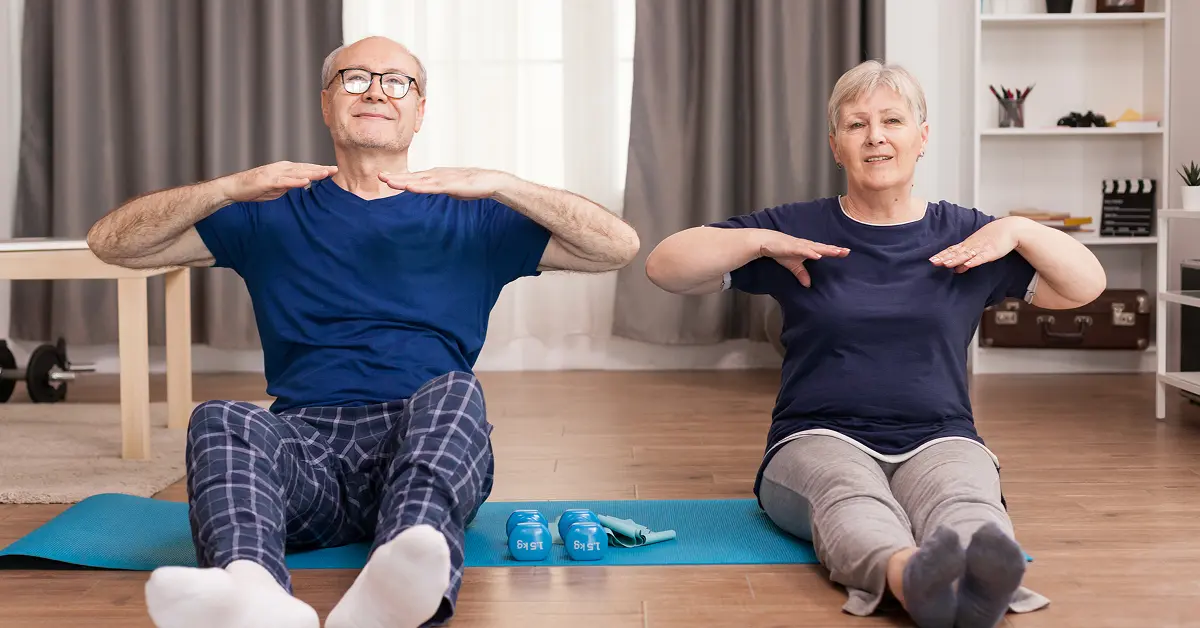
Discover how daily exercise support can help ageing parents with joint issues maintain mobility, reduce pain, and improve overall health.
Aging gracefully is often hindered by physical discomforts, particularly joint issues that can severely affect the mobility and quality of life forParent Caregiver However, with consistent daily exercise, guided and modified appropriately, older adults can experience relief, maintain independence, and even improve their overall joint health. Supporting our ageing parents in this journey requires awareness, dedication, and often a structured exercise plan. Let’s explore how daily exercise support can make a lasting difference.
Understanding Joint Issues in Elderly Parents
Joint issues such as arthritis, osteoporosis, and age-related cartilage degeneration are common among senior citizens. Symptoms include stiffness, inflammation, reduced range of motion, and chronic pain. These issues limit physical activity, leading to a sedentary lifestyle, which further exacerbates joint degradation and overall health decline.
But the good news is — movement, when done correctly, can be medicine. Gentle, regular exercise is one of the most effective ways to manage and alleviate joint pain. It helps in maintaining flexibility, strengthening muscles around the joints, and improving circulation, which is essential for joint repair and health.
Benefits of Daily Exercise for Parents with Joint Pain
- Improved Flexibility and Range of Motion: Stretching and movement exercises prevent stiffness and improve the ability to perform daily tasks.
- Strengthening Supporting Muscles: Stronger muscles reduce the strain on joints, offering better stability and reducing pain.
- Weight Management: Light physical activity helps in maintaining an ideal weight, thereby reducing pressure on weight-bearing joints like knees and hips.
- Boosted Mental Health: Exercise is a natural mood enhancer. It helps reduce depression and anxiety, especially when dealing with chronic pain.
- Improved Balance: Prevents falls and injuries that are common among elders with joint instability.
Types of Exercises Suitable for Joint Issues
Not every exercise is suitable for individuals with joint problems. The key is to focus on low-impact, joint-friendly exercises that are safe, effective, and easy to integrate into a daily routine. Here are some recommended options:
Walking
Walking is one of the most accessible and safest forms of aerobic exercise for older adults. It keeps the joints moving, helps in cardiovascular fitness, and improves endurance. Aim for 20–30 minutes a day, ideally with proper footwear and on flat surfaces.
Chair Exercises
Chair-based workouts are perfect for seniors who have difficulty standing for long periods. These exercises target the arms, legs, and core, and can be done while watching TV or listening to music. Chair leg lifts, arm circles, and seated marches are effective choices.
Water Aerobics or Swimming
Water supports body weight, easing pressure on joints while allowing full movement. Water-based exercises strengthen muscles, increase flexibility, and provide cardiovascular benefits with minimal joint strain.
Stretching and Yoga
Gentle yoga and stretching routines enhance flexibility and reduce stiffness. Poses can be adapted based on joint limitations. Programs like chair yoga or senior yoga sessions led by trained instructors can be especially helpful.
Resistance Band Training
Using resistance bands for light strength training helps improve muscle tone without stressing the joints. Exercises should target major muscle groups such as the thighs, back, shoulders, and arms.
Role of Caregivers and Family Members
Parental motivation to exercise daily can waver, especially when joint pain flares up. This is where caregivers and family members play a vital role:
- Motivation and Encouragement: Consistent emotional support can help them stay on track with their routine.
- Monitoring and Safety: Watching for signs of fatigue or discomfort ensures that exercises are done safely and correctly.
- Scheduling Exercise Time: Establishing a regular time for movement helps make it a non-negotiable part of the day.
- Engaging Together: Exercising together makes it more fun and less of a chore. It also builds stronger family bonds.
Creating a Daily Exercise Plan
A structured routine helps make exercise a habit. Here’s a sample daily plan suitable for elderly parents with joint concerns:
- Morning: 10 minutes of stretching or gentle yoga.
- Late Morning: 20-minute walk in a park or safe indoor corridor.
- Afternoon: Chair exercises or resistance band training (15 minutes).
- Evening: Light breathing exercises or meditation to wind down.
Of course, every individual’s capacity differs, so it’s important to consult a physiotherapist or healthcare provider before beginning any new routine.
Tools and Aids to Support Joint-Friendly Exercise
To make exercise more accessible, consider using the following tools:
- Supportive Shoes: Shoes with arch support and cushioning reduce joint strain.
- Stability Rails: Helpful for balance during standing exercises.
- Foam Mats: Great for stretching or yoga to provide joint comfort.
- Exercise Bands: Useful for resistance workouts.
- Mobile Apps: Senior-focused fitness apps offer guided exercise routines that are safe and adjustable.
What to Avoid
While exercise is beneficial, it’s also important to avoid certain activities that can worsen joint pain or cause injury. These include:
- High-impact aerobics
- Heavy weightlifting
- Running on hard surfaces
- Jumping or deep squats
- Any movement that causes sharp pain
Discomfort is natural when starting out, but pain is a warning sign. Encourage your parent to listen to their body and stop when needed.
Conclusion
Daily exercise is not just a wellness choice — it’s a necessity for ageing parents with joint issues. With the right support, they can regain mobility, reduce pain, and enjoy a higher quality of life. As a caregiver or family member, your involvement can be the key to their success. Encourage small steps, celebrate progress, and ensure they’re exercising safely. After all, staying active is one of the most powerful ways our parents can age gracefully and independently.
Contents
Our 24*7 services
Latest Posts
- What Is Respite Care and Why Is It Important
- Affordable home care for senior citizens in India
- Caring for Seniors with Dementia or Alzheimer's at Home
- Senior Caregiving A Guide for Every Family
- How to Write a Caregiver Resume That Gets You Hired
- How Care After Hospital Discharge Speeds Up Recovery at Home
- How to Get Home Health Care for Seniors Through Medicare
- What Does a Senior Citizen Caregiver Really Do at Home
- How to Care for Elderly Parents with Alzheimer’s or Dementia
- How to Get 24-Hour Care for Seniors at Home