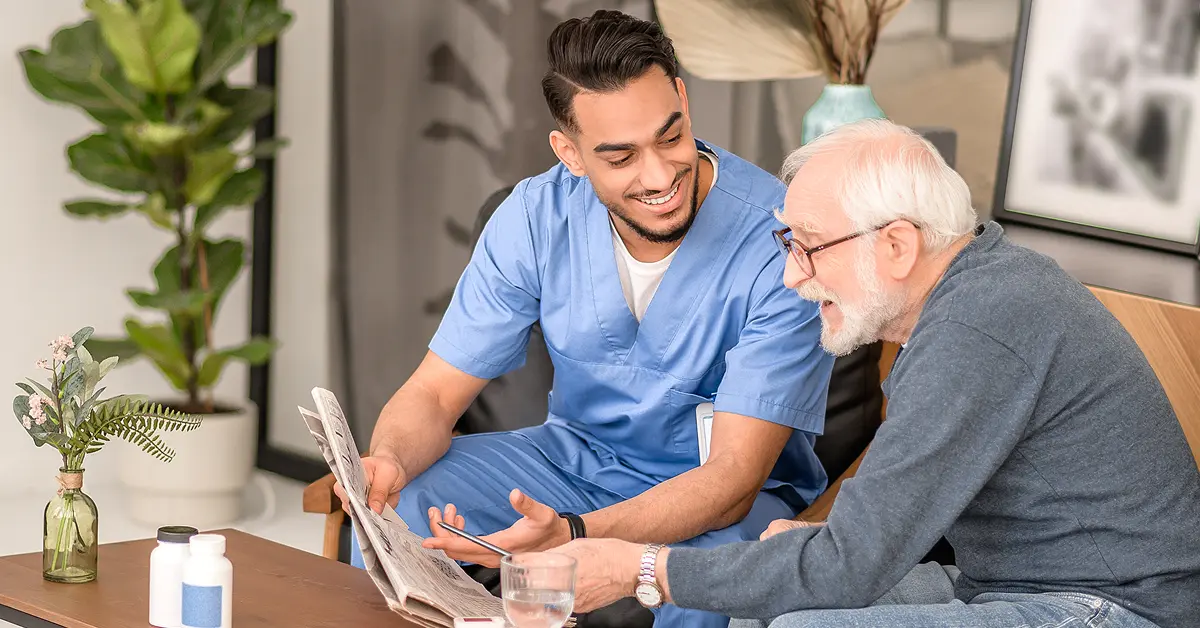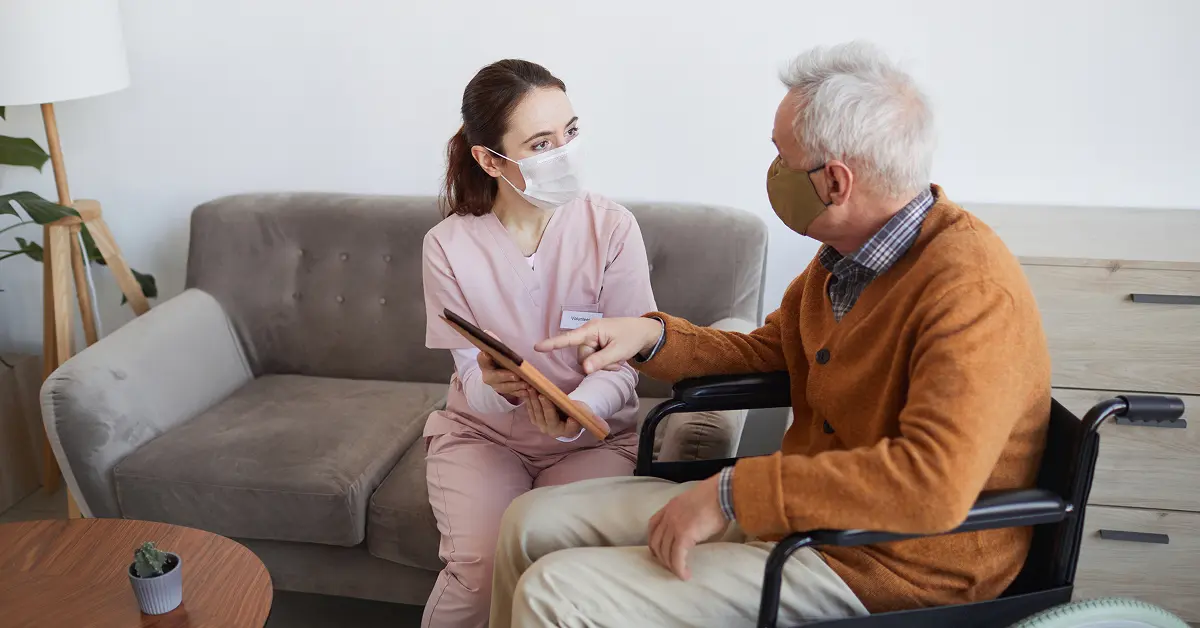
As our loved ones age, maintaining mobility and self-confidence becomes a critical part of their overall well-being. Many families in India now turn to elderly care services to ensure that their parents or grandparents lead active, independent, and dignified lives. Elderly care is not just about assistance; it’s a structured, compassionate approach to preserving health, mobility, and mental strength in old age.
Let’s explore how Elderly Care Services improve long-term mobility and confidence in seniors and why this matters more than ever in today’s fast-paced, nuclear family setups.
Personalized Care Plans Enhance Mobility Goals
One of the biggest advantages of professional elderly care is the creation of customized care plans. These plans are often developed after consultations with physiotherapists, doctors, and caregivers. They assess a senior’s mobility level, existing health conditions, and risk factors such as joint pain, arthritis, or past surgeries.
Caregivers then create a daily movement routine, including gentle exercises like walking, stretching, yoga, or chair aerobics. This consistency improves strength and flexibility over time, making it easier for seniors to move confidently in their own homes.
In-Home Physiotherapy Improves Muscle Strength
Elderly care services in India are increasingly offering in-home physiotherapy—a valuable service for those who struggle to travel to clinics. These sessions are designed to:
- Strengthen weak muscles
- Improve posture and balance
- Enhance joint flexibility
- Reduce stiffness from arthritis or inactivity
By integrating physiotherapy into their care routine, seniors can regain their ability to stand, walk, and even climb stairs safely—reducing their dependency on walking aids or constant supervision.
Regular Monitoring Helps Prevent Falls
Falls are one of the leading causes of hospitalization and long-term disability in the elderly. A fall can severely impact not just mobility but also a senior’s confidence. Many start avoiding basic movements out of fear.
With elderly care services, homes are evaluated for fall risks—slippery floors, poor lighting, or misplaced furniture. Caregivers help seniors with mobility aids, monitor walking patterns, and intervene before a fall occurs. This proactive approach helps seniors feel safer and more confident in their daily environment.
Emotional Support Builds Mental Resilience
Confidence is not just physical—it’s deeply rooted in mental well-being. Elderly care providers also focus on the emotional needs of seniors, offering companionship, empathetic conversation, and encouragement.
This emotional bond boosts morale and motivation, which directly impacts physical activity. Seniors who feel supported are more likely to engage in exercise, maintain social interaction, and push past minor discomforts.
Daily Routines Restore a Sense of Control
Having a structured daily routine is empowering for elderly individuals. It gives them a rhythm to follow and a sense of achievement for completing daily tasks, whether it's a short morning walk or doing light chores.
Professional caregivers help seniors establish these routines with a perfect balance between rest and activity. Over time, these habits become second nature, reinforcing both mobility and self-esteem.
Nutritional Support for Bone and Muscle Health
Mobility is not just about movement—it depends on muscle strength, bone density, and energy levels. Many elderly care services include dietary guidance and help with meal preparation to ensure seniors receive the right nutrients, such as:
- Calcium and Vitamin D for bone strength
- Protein for muscle repair
- Anti-inflammatory foods for joint health
This well-rounded approach helps maintain physical resilience and reduces the risk of fatigue or injury while moving.
Rehabilitation After Surgery or Illness
Elderly individuals recovering from surgeries such as hip replacements or strokes require specialized care to regain mobility. Elderly care services include trained rehab caregivers who follow post-operative protocols, assist with mobility aids, and encourage progress through measured milestones.
This professional rehabilitation at home not only speeds up physical recovery but also helps seniors regain confidence in using their body again—one of the most psychologically difficult parts of recovery.
Use of Technology for Movement Tracking
Many elderly care providers now use simple digital tools and wearable devices to track movement, steps, and posture in seniors. These devices help monitor their physical activity levels, allowing caregivers to adjust routines based on progress.
This data-driven approach adds a layer of accountability and motivation, especially for tech-friendly seniors. Even families living abroad can stay updated on their parent's progress, ensuring peace of mind.
Social Engagement Increases Willingness to Move
Staying connected with peers, participating in community events, or even chatting with a caregiver daily can greatly boost the emotional and physical outlook of an elderly person.
Social interaction motivates them to dress up, walk around the house, and participate in light physical activity—all of which keep their muscles active and spirits high.
Family Support Through Guidance and Training
Elderly care agencies often guide family members on how to support mobility goals at home. From teaching correct lifting techniques to sharing tips on motivational strategies, families become part of the care ecosystem.
When seniors feel supported by both professionals and loved ones, they build resilience and self-trust—essential components of both mobility and mental confidence.
Conclusion
Long-term mobility and confidence are deeply interconnected in elderly care. When seniors feel capable of moving independently, it uplifts their spirit, enhances their health, and reaffirms their sense of dignity. Elderly care services in India are no longer limited to basic assistance; they are structured, holistic programs that target the physical, emotional, and mental well-being of seniors.
Whether it’s through physiotherapy, emotional bonding, fall prevention, or rehabilitation, the impact of elderly care on mobility and confidence is long-lasting. If you have elderly loved ones at home, investing in quality elderly care isn’t just about meeting their needs—it’s about empowering them to live better, stronger, and more confidently.
Contents
- Personalized Care Plans Enhance Mobility Goals
- In-Home Physiotherapy Improves Muscle Strength
- Regular Monitoring Helps Prevent Falls
- Emotional Support Builds Mental Resilience
- Daily Routines Restore a Sense of Control
- Nutritional Support for Bone and Muscle Health
- Rehabilitation After Surgery or Illness
- Use of Technology for Movement Tracking
- Social Engagement Increases Willingness to Move
- Family Support Through Guidance and Training
- Conclusion
Our 24*7 services
Latest Posts
- What Is Respite Care and Why Is It Important
- Affordable home care for senior citizens in India
- Caring for Seniors with Dementia or Alzheimer's at Home
- Senior Caregiving A Guide for Every Family
- How to Write a Caregiver Resume That Gets You Hired
- How Care After Hospital Discharge Speeds Up Recovery at Home
- How to Get Home Health Care for Seniors Through Medicare
- What Does a Senior Citizen Caregiver Really Do at Home
- How to Care for Elderly Parents with Alzheimer’s or Dementia
- How to Get 24-Hour Care for Seniors at Home