As our loved ones age, ensuring their comfort, dignity, and quality of life becomes a top priority. For many Indian families, traditional caregiving often meant sending elderly parents to old age homes or relying on a relative to stay with them. However, the trend is changing. Today, in-home Elderly Care Services are gaining popularity across cities like Mumbai, Bangalore, Delhi, Chennai, and even smaller towns. But why is this shift happening?
Let’s explore the key reasons why more families are choosing in-home elderly care services and how it benefits not just the elderly but the entire household.
Comfort of Home Environment
The biggest advantage of in-home elderly care is that your loved ones remain in the comfort of their familiar surroundings. This is particularly important for seniors who suffer from conditions like dementia or Alzheimer's, where familiarity with their environment can significantly reduce anxiety, confusion, and emotional distress.
Being at home means access to their personal belongings, routine, and cultural lifestyle – whether it’s enjoying home-cooked food, watching their favourite devotional programs, or practicing daily puja rituals.
Personalised and One-on-One Care
Unlike nursing homes or hospitals where staff cater to multiple patients, in-home caregivers provide undivided attention. The care is completely tailored to the senior’s specific needs — be it medical assistance, mobility support, companionship, or help with daily routines like bathing, dressing, or eating.
This customised attention ensures better emotional bonding, quicker health recovery, and a stronger sense of dignity for the elderly.
Cost-Effective for Indian Families
When compared to long-term hospitalisation or premium old-age homes, in-home care services are often more affordable. Families can choose from part-time care, full-time attendants, or even live-in caregivers depending on their budget.
Many service providers in India also offer flexible packages — from hourly visits to 24x7 support, making it easier for middle-class families to afford quality care.
Faster Recovery from Illness
Studies show that patients recover faster in familiar environments. For elderly people recovering from surgeries or hospitalisation, home-based recovery care helps improve both mental and physical healing.
The comfort of being surrounded by loved ones, receiving nutritious home-cooked meals, and sleeping in their own beds makes a significant difference in their post-operative recovery or chronic illness management.
Emotional and Mental Well-being
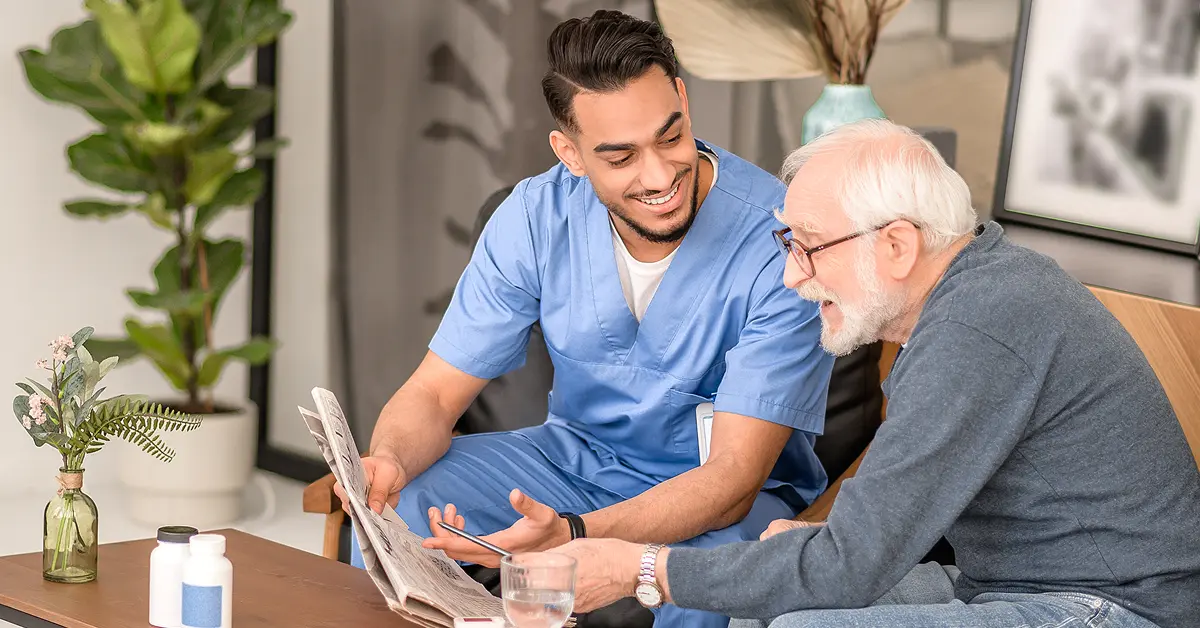
Isolation and loneliness are common problems faced by seniors. In-home caregivers not only help with physical tasks but also provide emotional support and companionship. Whether it’s engaging in conversations, helping with hobbies, or simply being present, a caregiver can significantly improve a senior’s mental health.
In Indian culture, where relationships and emotional bonds are highly valued, this aspect of caregiving is especially important.
Safety and Supervision at Home
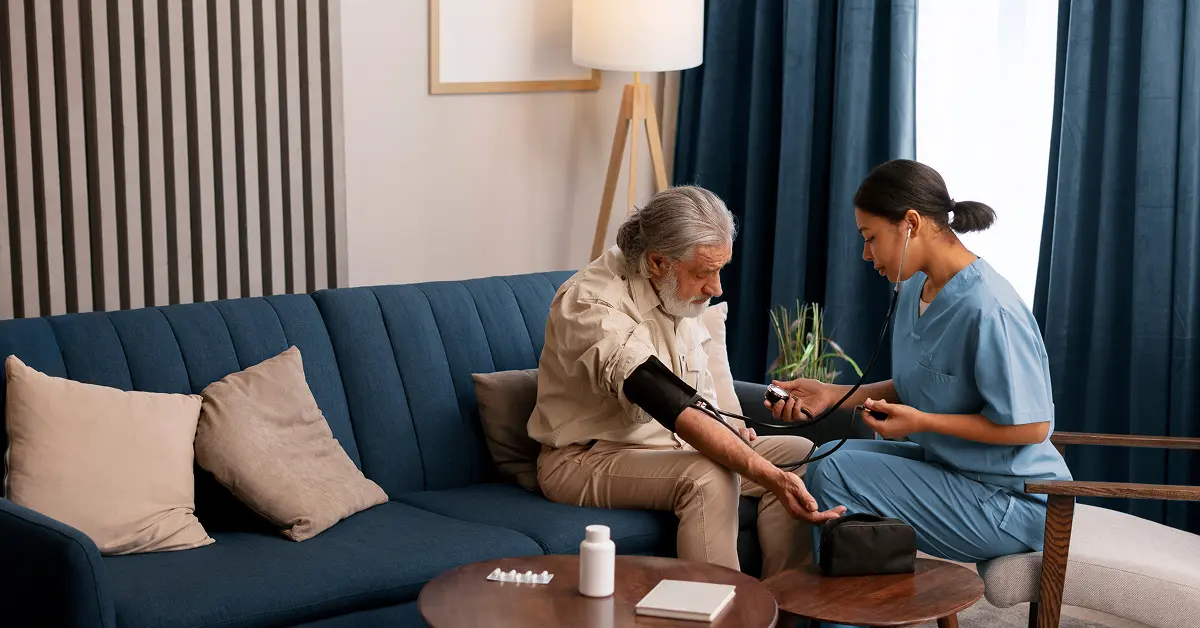
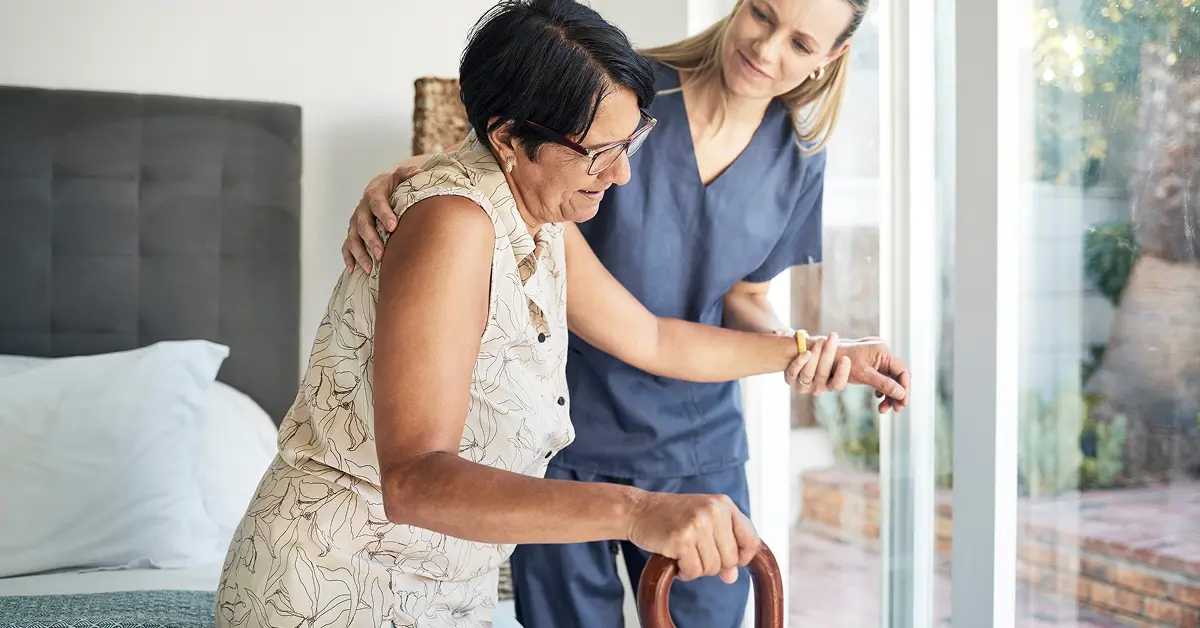
Elderly people are more prone to falls, injuries, and medical emergencies. In-home care ensures that there is always someone nearby to assist and supervise. Caregivers are trained to identify risks, manage medications, and handle emergency situations promptly.
From helping them climb stairs safely to ensuring they take their BP or diabetes medicines on time, professional supervision adds an extra layer of safety for aging parents at home.
Family Involvement in Care
One of the biggest emotional advantages of in-home care is that families can stay closely involved. You don’t need to travel far or book appointments to see your parents — they are right there with you.
You can coordinate with the caregiver directly, monitor progress, and even make decisions based on real-time observations. This helps in building trust between the family and the caregiving team, ensuring that the senior receives holistic care.
Trained and Certified Caregivers Available
With the rise in demand, many professional agencies in India now offer trained, certified, and background-verified caregivers for home care. These caregivers are skilled in geriatric care, first aid, physiotherapy assistance, and managing chronic illnesses like diabetes, arthritis, or Parkinson’s.
Moreover, reputed agencies ensure regular supervision, documentation, and even offer nurse support when needed.
Freedom and Independence for Seniors
Old age should not mean the loss of independence. Many elderly people prefer staying in their own homes, managing their own time, and having a sense of control over their daily life. In-home care allows them this freedom, while still providing necessary assistance.
Unlike old-age homes where routines are fixed, in-home care is more flexible and adaptable to the senior’s lifestyle preferences — whether it’s sleeping late, eating specific meals, or attending social functions.
Culturally Sensitive and Respectful Care
Indian elders have unique cultural needs — from language to religious practices and food preferences. With in-home care, you can choose caregivers who speak the same language, understand dietary restrictions, and respect traditions.
This culturally aligned care builds trust and harmony, which is often missing in institutional settings.
Who Can Benefit from In-Home Elderly Care?
- Seniors with limited mobility
- Patients recovering post-surgery
- Elderly people with chronic illnesses
- Dementia or Alzheimer’s patients
- Those who live alone or without regular family support
- Families looking for temporary caregiver support during travel or illness
Final Thoughts
In-home elderly care is more than just a trend; it is a practical and compassionate choice for modern Indian families. It ensures that our parents and grandparents age gracefully, with love, dignity, and proper attention.
With professional services now easily available across metros and tier-2 cities, families can ensure top-quality care without disrupting their work-life balance or shifting their elders to unfamiliar settings.
If you’re considering home care for your loved one, make sure to choose a trusted and reputed service provider. Ask for caregiver training details, check reviews, and ensure regular feedback mechanisms are in place.
Investing in quality in-home elderly care today means giving back to those who spent their lives caring for us.
Contents
- Comfort of Home Environment
- Personalised and One-on-One Care
- Cost-Effective for Indian Families
- Faster Recovery from Illness
- Emotional and Mental Well-being
- Safety and Supervision at Home
- Family Involvement in Care
- Trained and Certified Caregivers Available
- Freedom and Independence for Seniors
- Culturally Sensitive and Respectful Care
- Who Can Benefit from In-Home Elderly Care?
- Final Thoughts
Our 24*7 services
Latest Posts
- What Is Respite Care and Why Is It Important
- Affordable home care for senior citizens in India
- Caring for Seniors with Dementia or Alzheimer's at Home
- Senior Caregiving A Guide for Every Family
- How to Write a Caregiver Resume That Gets You Hired
- How Care After Hospital Discharge Speeds Up Recovery at Home
- How to Get Home Health Care for Seniors Through Medicare
- What Does a Senior Citizen Caregiver Really Do at Home
- How to Care for Elderly Parents with Alzheimer’s or Dementia
- How to Get 24-Hour Care for Seniors at Home