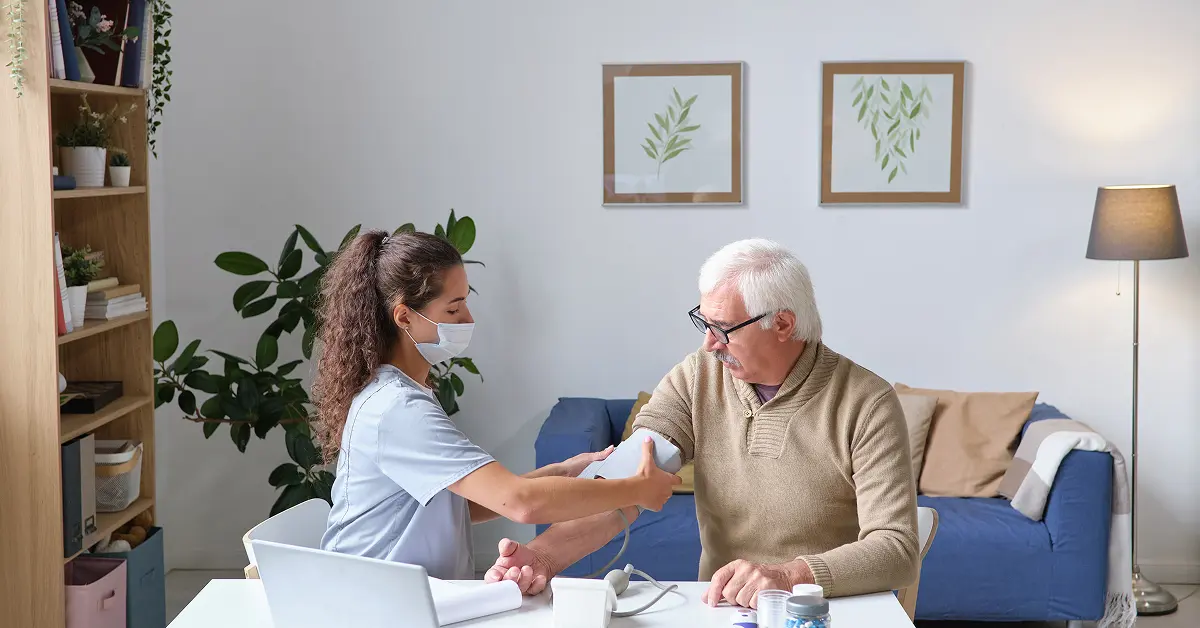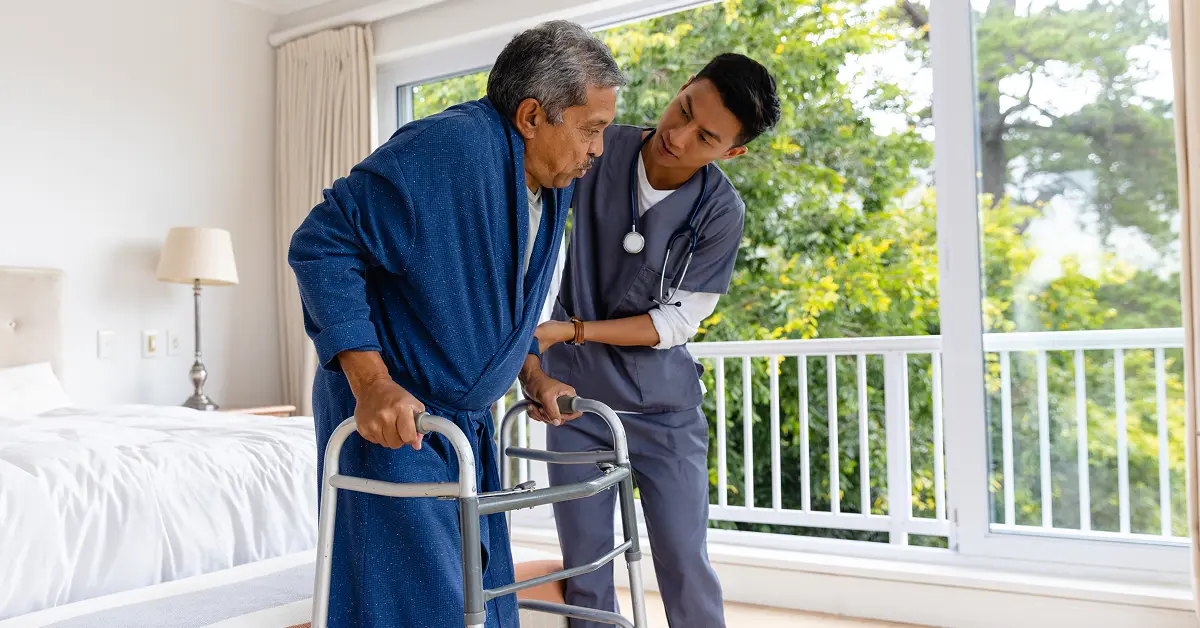
When a loved one is discharged from the hospital, the journey to recovery doesn’t end—it simply changes location. Transitioning from hospital care to home care is a delicate phase that needs planning, awareness, and support. Whether the patient is recovering from surgery, illness, injury, or chronic conditions, post-discharge care at home plays a vital role in achieving full recovery.
Here’s a detailed guide for Indian families on what to do after Hospital Discharge to ensure a smooth and safe recovery at home.
Understand the Discharge Summary Thoroughly
Before leaving the hospital, the attending physician will provide a discharge summary. This document includes:
- Diagnosis
- Medications to be taken
- Dietary restrictions
- Recommended activities or exercises
- Follow-up visit schedule
- Warning signs to monitor
Tip: Ask the doctor or nurse to explain the discharge summary in detail. Take notes or record instructions with permission.
Prepare the Home Environment in Advance
A safe, clean, and comfortable space is critical for post-discharge recovery. Here’s how to prepare:
- Clear clutter to avoid falls or accidents.
- Ensure good lighting in the recovery room.
- Arrange a bed at a convenient location, preferably on the ground floor.
- Install supportive furniture or medical equipment such as a walker, commode, or hospital bed if needed.
- Keep essential items like medications, water, and phone within reach.
Arrange for Trained Caregivers or Home Nurses
Depending on the condition, the patient may need constant monitoring or assistance with daily tasks. You can:
- Hire a trained caregiver for elderly or long-term care.
- Appoint a home nurse for post-surgery recovery or wound care.
- Take help from a family member who understands the patient's routine and needs.
Create a Medication Management System
Wrong doses or missed medications can lead to complications. To avoid this:
- Use a pill organizer.
- Set alarms or use mobile apps to remind about medicine timings.
- Keep a chart or journal to track when each medicine is given.
Maintain a Balanced Diet and Hydration
Nutrition plays a major role in recovery. Speak to the doctor or a dietitian about:
- Foods to eat and avoid
- Special dietary requirements (like high-protein meals or low-sodium options)
- Hydration goals
Monitor Vital Signs Regularly
Depending on the illness, you may need to track:
- Blood pressure
- Sugar levels
- Oxygen saturation (SpO2)
- Temperature
- Pulse rate
Ensure Emotional Support and Mental Wellness
Many patients, especially seniors or those recovering from surgery, feel anxious, isolated, or depressed. Encourage:
- Family interactions and companionship
- Light entertainment (TV, books, devotional activities)
- Counselling, if needed
Plan and Attend Follow-Up Appointments
Missing follow-up appointments can delay recovery or lead to complications. Ensure that:
- The first follow-up date is clearly noted.
- All tests and scans advised by the doctor are booked in advance.
- You carry previous reports, prescriptions, and logs to each appointment.
You can also opt for teleconsultations, which are now widely available across India.
Follow Hygiene and Infection Prevention Protocols
Patients are vulnerable to infections after discharge. Maintain hygiene by:
- Washing hands before assisting the patient
- Wearing gloves during wound care
- Changing bed linen regularly
- Keeping the room well-ventilated
Encourage Gradual Mobility and Exercise
If the doctor allows, begin with mild movements or physiotherapy to prevent stiffness and improve strength. A physiotherapist can:
- Design a custom plan for recovery
- Assist in regaining balance and posture
- Prevent bed sores in long-term bed-bound patients
Use Telemedicine and Health Apps
In India, digital health is growing rapidly. Use apps like:
- Practo
- 1mg (now Tata 1mg)
- Apollo 24|7
These platforms help with doctor consultations, medicine delivery, and lab tests at home.
Track Progress and Celebrate Small Wins
Recovery can be slow, but celebrating small improvements—like walking unaided or a pain-free day—boosts morale. Maintain a daily record of:
- Pain levels
- Sleep quality
- Mood
- Energy levels
Emergency Preparedness
Despite best efforts, emergencies may occur. Keep ready:
- Ambulance numbers (like 108 or local service providers)
- Nearest hospital details
- Patient’s medical file
- Emergency contact list
It’s wise to brief family members or caregivers on what to do in case of sudden deterioration.
Conclusion
A smooth home recovery after hospital discharge is a result of informed planning, emotional patience, and a strong support system. Indian families must proactively participate in the caregiving process, adapt the home for medical needs, and seek professional help when required.
Remember, recovery is not just about treating the body—it’s about nurturing the mind and environment too.
Contents
- Understand the Discharge Summary Thoroughly
- Prepare the Home Environment in Advance
- Arrange for Trained Caregivers or Home Nurses
- Create a Medication Management System
- Maintain a Balanced Diet and Hydration
- Monitor Vital Signs Regularly
- Ensure Emotional Support and Mental Wellness
- Plan and Attend Follow-Up Appointments
- Follow Hygiene and Infection Prevention Protocols
- Encourage Gradual Mobility and Exercise
- Use Telemedicine and Health Apps
- Track Progress and Celebrate Small Wins
- Emergency Preparedness
- Conclusion
Our 24*7 services
Latest Posts
- What Is Respite Care and Why Is It Important
- Affordable home care for senior citizens in India
- Caring for Seniors with Dementia or Alzheimer's at Home
- Senior Caregiving A Guide for Every Family
- How to Write a Caregiver Resume That Gets You Hired
- How Care After Hospital Discharge Speeds Up Recovery at Home
- How to Get Home Health Care for Seniors Through Medicare
- What Does a Senior Citizen Caregiver Really Do at Home
- How to Care for Elderly Parents with Alzheimer’s or Dementia
- How to Get 24-Hour Care for Seniors at Home