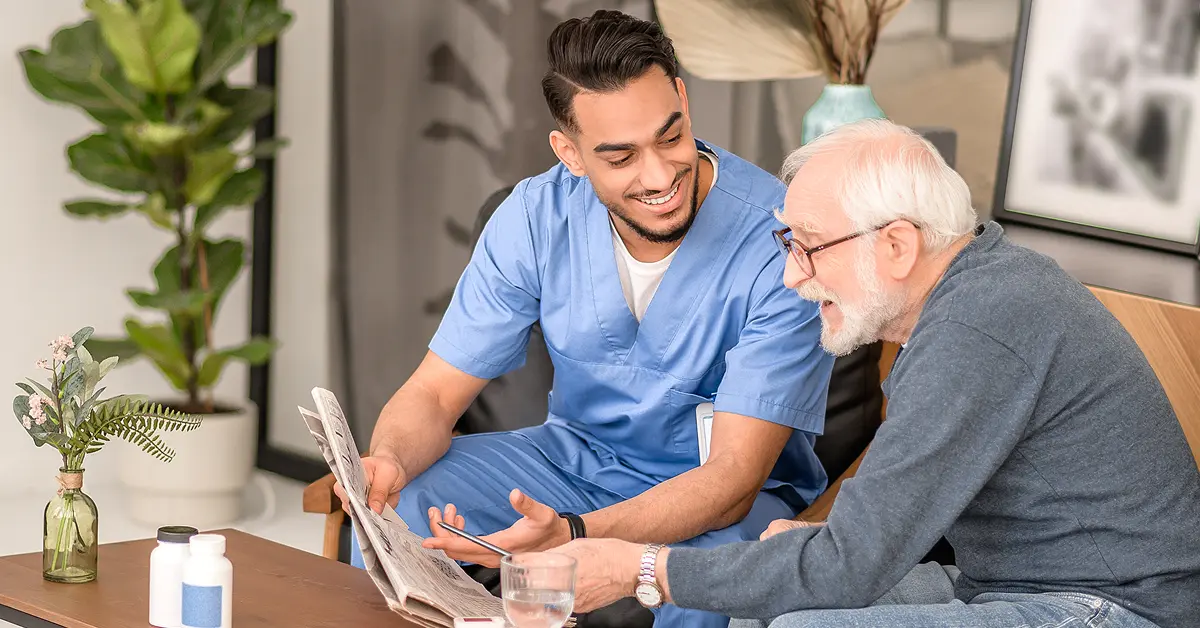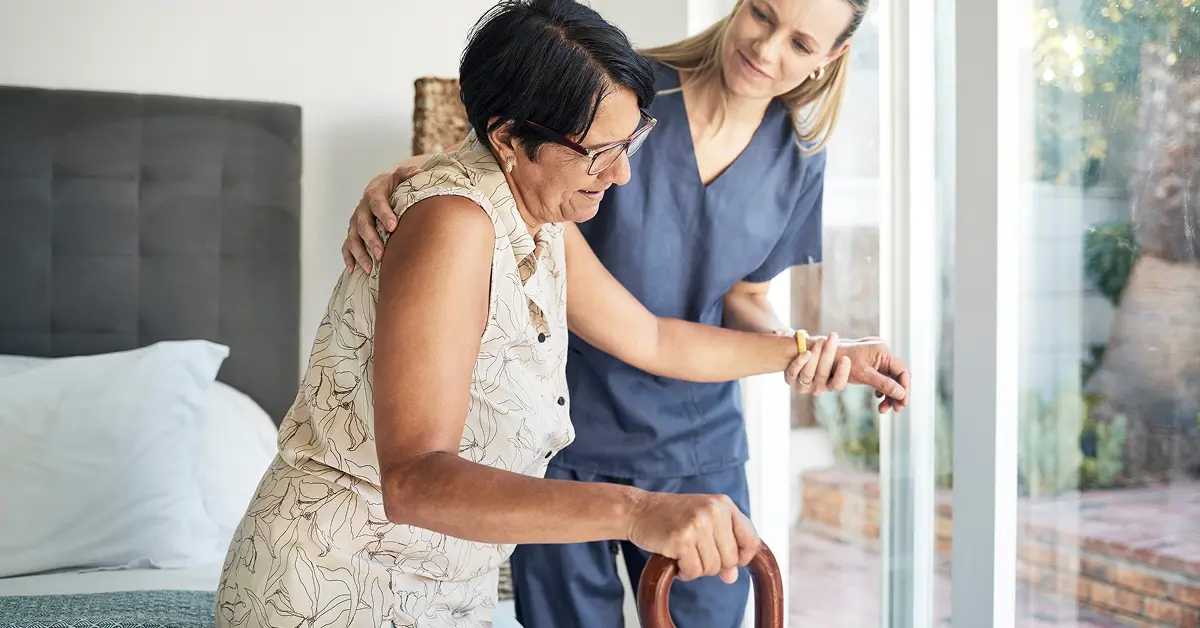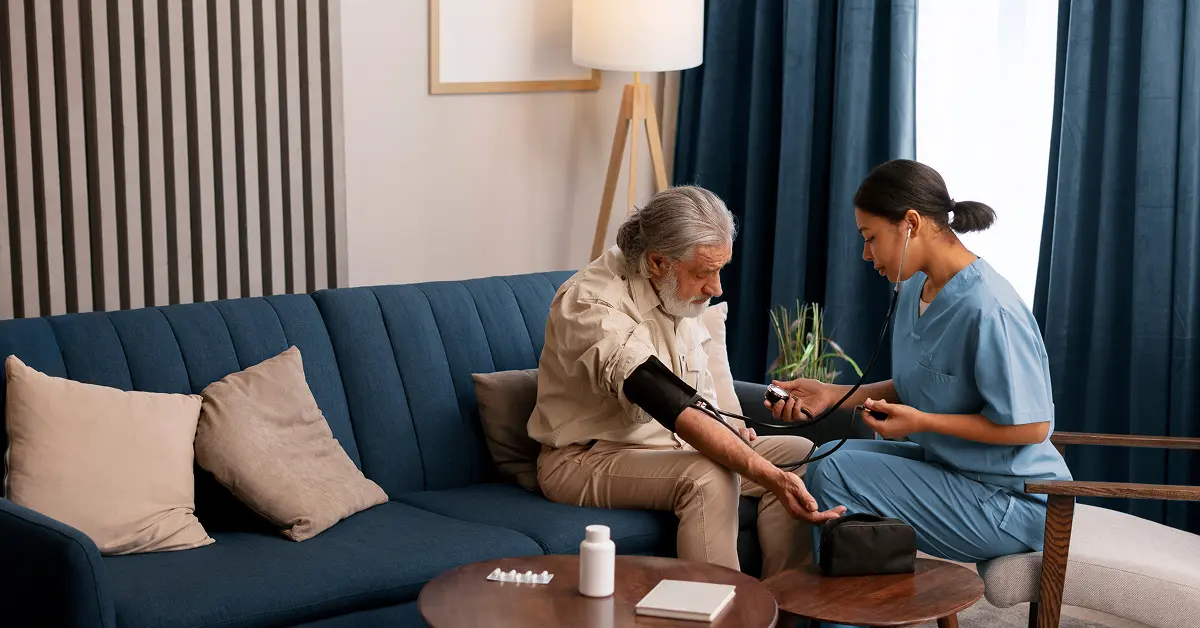
Recovering from an illness, surgery, or chronic condition can be a challenging journey. While hospitals provide the immediate medical care needed during acute phases, returning home often presents a new set of challenges. Patients require constant support, careful monitoring, and emotional encouragement to ensure a smooth recovery. This is where trained caregivers for patients at home play a crucial role.
Why Home Care Matters
Home care allows patients to recover in a familiar and comfortable environment, which can significantly improve their emotional and mental well-being. Unlike hospitals, where routines are rigid and privacy is limited, home care offers a personalized approach to recovery. With a trained caregiver by your side, patients can receive professional medical assistance while also maintaining the warmth and comfort of home.
Benefits of Having a Trained Caregiver
- Personalized Care: Every patient has unique needs. A trained caregiver tailors care routines, medication schedules, and therapy exercises according to individual requirements.
- Medical Assistance: Caregivers with proper training can monitor vital signs, assist with medication, manage post-operative care, and coordinate with doctors when necessary.
- Emotional Support: Recovery is not just physical; emotional well-being plays a vital role. Caregivers provide companionship, encouragement, and reassurance during challenging times.
- Reduced Risk of Complications: Professional caregivers are trained to detect early warning signs of infection, medication side effects, or other complications, ensuring timely medical intervention.
- Improved Quality of Life: With assistance in daily activities like bathing, mobility, meal preparation, and exercises, patients can focus on healing without added stress.
Key Roles of Trained Caregivers
Post-Surgery Care
Post-operative patients often require specialized attention to prevent infections and promote healing. Caregivers help with wound care, pain management, monitoring for complications, and ensuring patients follow doctors’ instructions.
Chronic Illness Support
Patients with chronic conditions like diabetes, hypertension, or heart disease benefit greatly from caregivers who can monitor vital signs, manage medications, and encourage adherence to dietary and exercise routines.
Physical Rehabilitation Assistance
For patients recovering from fractures, strokes, or surgeries, caregivers assist with physiotherapy exercises, mobility training, and gradual reintroduction to daily activities, all under professional guidance.
Medication Management
Missing doses or incorrect administration of medications can hinder recovery. Trained caregivers ensure timely administration, monitor side effects, and maintain proper medical records to keep doctors informed.
Nutritional Support
Proper nutrition is a cornerstone of recovery. Caregivers plan and prepare meals tailored to the patient’s health needs, monitor hydration, and encourage healthy eating habits that aid healing.
Choosing the Right Caregiver
Selecting the right caregiver is critical for a smooth recovery. Families should consider the following factors:
- Training and Experience: Ensure the caregiver has undergone professional training in patient care, first aid, and post-surgery or chronic illness management.
- References and Reviews: Feedback from previous clients can provide insight into the caregiver’s reliability, empathy, and skill level.
- Compatibility: The caregiver should have a personality that matches the patient’s needs, ensuring comfort and trust.
- Flexibility: Recovery timelines can change unexpectedly. A caregiver should be able to adapt to new schedules or changing care requirements.
- Emergency Response Skills: In case of sudden health issues, the caregiver should know how to handle emergencies, contact medical professionals, and provide immediate first aid if necessary.
How Caregivers Enhance Recovery
Research shows that patients recovering at home with trained caregivers often experience:
- Faster physical recovery due to consistent monitoring and adherence to medical routines.
- Better mental health because of companionship and emotional support.
- Reduced hospital readmissions, as caregivers can detect early warning signs and act promptly.
- Increased independence, as caregivers empower patients to regain self-care skills gradually.
Integrating Technology with Home Care
Modern caregiving is enhanced by technology. Caregivers often use digital tools to:
- Track vital signs and medication schedules using mobile apps.
- Maintain electronic health records for easy communication with doctors.
- Offer teleconsultation support in collaboration with medical professionals.
- Monitor mobility or sleep patterns to adjust care plans effectively.
Home Care in India: Growing Importance
With India’s healthcare system often stretched due to high patient volumes, home care services are becoming increasingly vital. Families prefer trained caregivers for patients at home to reduce dependence on hospital stays while ensuring professional attention. Additionally, the cultural preference for family-centered care makes home caregivers an essential part of the recovery ecosystem.
How Families Benefit
- Reduced Stress: Families no longer need to manage complicated medical routines on their own.
- Peace of Mind: Knowing that a professional is taking care of their loved one ensures emotional relief.
- Time Management: Family members can continue their daily responsibilities without compromising patient care.
- Improved Recovery Outcomes: Patients tend to heal faster when their environment is supportive, structured, and professionally managed.
Conclusion
Recovery at home can be a comfortable and effective alternative to prolonged hospital stays, provided patients have access to trained caregivers. From medical assistance to emotional support, caregivers play a critical role in ensuring that patients regain health safely and smoothly. By investing in professional home care, families not only enhance recovery outcomes but also provide their loved ones with the comfort, dignity, and personalized attention they deserve.
Choosing the right caregiver is more than a logistical decision—it’s a commitment to quality care and improved well-being. For anyone navigating post-surgery or chronic illness recovery, trained caregivers are the bridge between medical treatment and complete healing at home.
Contents
Our 24*7 services
Latest Posts
- What Is Respite Care and Why Is It Important
- Affordable home care for senior citizens in India
- Caring for Seniors with Dementia or Alzheimer's at Home
- Senior Caregiving A Guide for Every Family
- How to Write a Caregiver Resume That Gets You Hired
- How Care After Hospital Discharge Speeds Up Recovery at Home
- How to Get Home Health Care for Seniors Through Medicare
- What Does a Senior Citizen Caregiver Really Do at Home
- How to Care for Elderly Parents with Alzheimer’s or Dementia
- How to Get 24-Hour Care for Seniors at Home