Learn how to safely prepare your home for oxygen therapy after hospital discharge. Discover essential tips on equipment setup, safety, and comfort tailored for Indian households.
Introduction
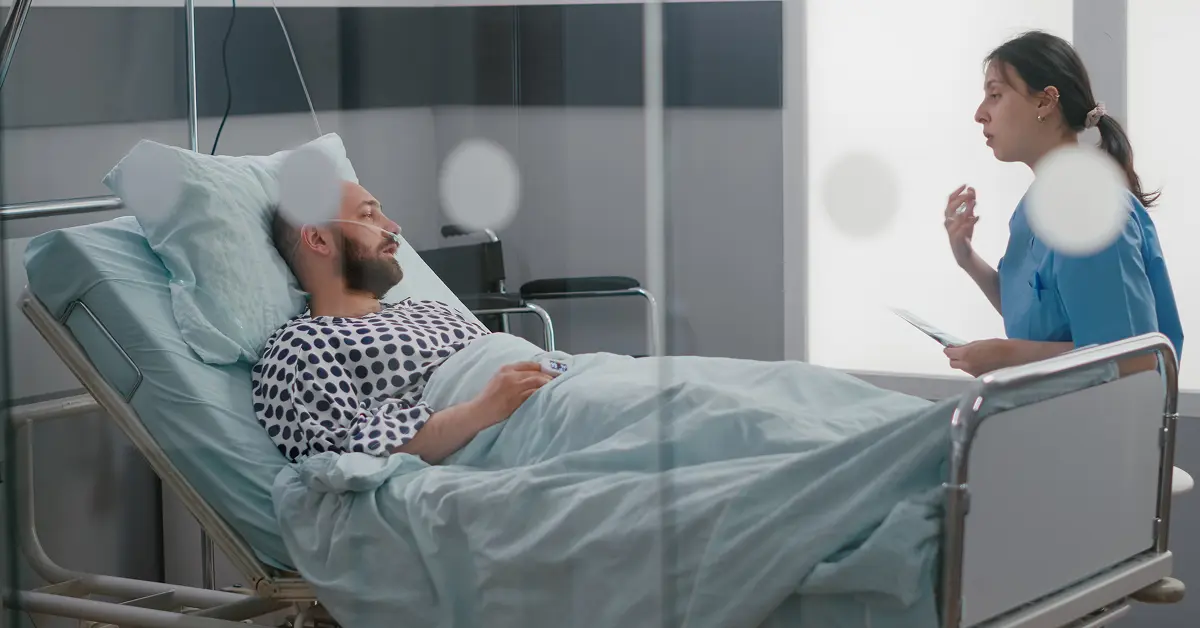
Being discharged from the hospital with the need for oxygen support is a significant change—not just for the patient but for the entire household. Whether it’s due to chronic lung disease, post-COVID recovery, or another respiratory condition, home oxygen therapy can significantly improve the quality of life. However, setting up a home for oxygen support requires proper planning, attention to safety, and an understanding of how the system works.
In India, where multi-generational families often live under one roof, adapting your home for oxygen therapy can be a collective effort. This guide walks you through every important step to make the transition smooth, safe, and stress-free.
Understand the Oxygen Therapy Prescription
Before making any arrangements, make sure you understand the doctor’s prescription. Oxygen therapy can differ in:
- Flow Rate (e.g., 1–5 L/min)
- Delivery Type (nasal cannula, oxygen mask, etc.)
- Usage (continuous or intermittent)
Always ask your doctor or pulmonologist for specific guidelines and ensure a written prescription is available, especially if you're purchasing or renting equipment.
Choose the Right Oxygen Equipment
You’ll typically be offered one or more of the following oxygen delivery systems:
- Oxygen Concentrator: Most common in Indian homes; draws oxygen from ambient air.
- Oxygen Cylinder: Used when electricity supply is unreliable or as a backup.
- Portable Oxygen Concentrator: Useful for mobile or active patients.
Important Tip for Indian Households: If you're living in an area with frequent power cuts, consider keeping an oxygen cylinder as a backup, along with a UPS or inverter system.
Select a Safe & Comfortable Space
Choose a room that is:
- Well-ventilated but away from direct drafts
- Free of open flames (like gas stoves, incense sticks, or diyas)
- Close to a power socket for concentrators
- Spacious enough for movement and equipment setup
In Indian homes, puja rooms or kitchens often have open flames—avoid placing oxygen devices nearby. Instead, use a bedroom or a quiet corner of the living room.
Ensure Reliable Power Supply
Most oxygen concentrators require a continuous power supply. Here are some suggestions for Indian homes:
- Install a voltage stabilizer to protect equipment from fluctuations.
- Use an inverter or UPS to cover short outages.
- Consider solar backup systems in rural or semi-urban areas.
For regions like Uttar Pradesh, Bihar, or Assam with erratic power, always keep a filled oxygen cylinder as an emergency alternative.
Safety Precautions You Must Follow
Oxygen is non-flammable but can fuel fire if ignited. Follow these precautions:
- No smoking near the oxygen setup.
- Avoid oily or greasy substances near the equipment.
- Keep the area free of clutter to prevent tripping over tubes.
- Use only recommended humidifiers and distilled water if needed.
Inform all family members, especially elders and children, about the safety rules.
Train Family Members
Make sure one or two family members are trained in:
- Turning the machine on/off
- Adjusting flow settings (as per prescription)
- Cleaning nasal cannulas or masks
- Recognizing signs of low oxygen saturation
- Emergency response (what to do if oxygen runs out)
Many home care providers in India offer a free demo session when they deliver the equipment—make the most of it.
Stock Necessary Supplies
Here’s a basic list to keep ready:
- Extra nasal cannulas or oxygen masks
- Distilled water for humidifiers
- Pulse oximeter
- Backup oxygen cylinder (if using a concentrator)
- Extension tubing (for movement around the room)
- Alcohol wipes and clean cloths for cleaning
In tier-2 and tier-3 cities, it might be wise to keep a few weeks’ supply in stock due to delivery delays.
Monitor Patient Health Regularly
Keep a health log:
- Daily oxygen saturation (SpO2) readings
- Heart rate
- Time and duration of oxygen use
- Any symptoms like dizziness, fatigue, or headache
Use this log during your next doctor visit to help with therapy adjustments.
Arrange Periodic Maintenance
Oxygen concentrators require:
- Filter cleaning (usually weekly)
- Service checks every 3–6 months
- Humidifier bottle cleaning daily
Choose a supplier who offers AMC (Annual Maintenance Contract) or 24x7 support.
Create a Peaceful Environment
Healing at home isn’t just about medical equipment—it’s also about emotional comfort. Here’s how you can enhance the space:
- Add soft lighting or calming music.
- Place indoor plants (not near the oxygen machine) to improve air quality.
- Keep frequently used items like water bottles, remotes, or phones within arm’s reach.
- Encourage social interaction and regular visits (if medically allowed).
Involve a Home Care Provider
For patients with limited mobility or comorbidities, consider hiring a nurse or caregiver. Many Indian agencies offer:
- Trained respiratory nurses
- Physiotherapy for lung function
- Routine checkups by visiting doctors
Services like Portea, Nightingales, and Care24 are available in major Indian cities and can be booked online.
Government and Insurance Support
Some Indian states provide oxygen concentrators on loan through public health schemes. Additionally:
- Health insurance may cover oxygen therapy under domiciliary hospitalization clauses.
- ESIC and CGHS beneficiaries may get home oxygen approved by panel doctors.
Speak to your healthcare provider about available financial support.
Conclusion
Preparing your home for oxygen support Hospital Discharge is a crucial step toward long-term recovery. It may seem overwhelming at first, but with the right setup, family cooperation, and professional guidance, it can be a smooth process.
In Indian homes, where space and resources can vary widely, adaptability and awareness make all the difference. With proper planning, you can transform your living space into a safe and healing environment.
Stay informed. Stay safe. And above all, breathe easy.
If you're planning to set up oxygen therapy at home in India, bookmark this guide and share it with others who may need it.
Contents
- Introduction
- Understand the Oxygen Therapy Prescription
- Choose the Right Oxygen Equipment
- Select a Safe & Comfortable Space
- Ensure Reliable Power Supply
- Safety Precautions You Must Follow
- Train Family Members
- Stock Necessary Supplies
- Monitor Patient Health Regularly
- Arrange Periodic Maintenance
- Create a Peaceful Environment
- Involve a Home Care Provider
- Government and Insurance Support
- Conclusion
Our 24*7 services
Latest Posts
- What Is Respite Care and Why Is It Important
- Affordable home care for senior citizens in India
- Caring for Seniors with Dementia or Alzheimer's at Home
- Senior Caregiving A Guide for Every Family
- How to Write a Caregiver Resume That Gets You Hired
- How Care After Hospital Discharge Speeds Up Recovery at Home
- How to Get Home Health Care for Seniors Through Medicare
- What Does a Senior Citizen Caregiver Really Do at Home
- How to Care for Elderly Parents with Alzheimer’s or Dementia
- How to Get 24-Hour Care for Seniors at Home