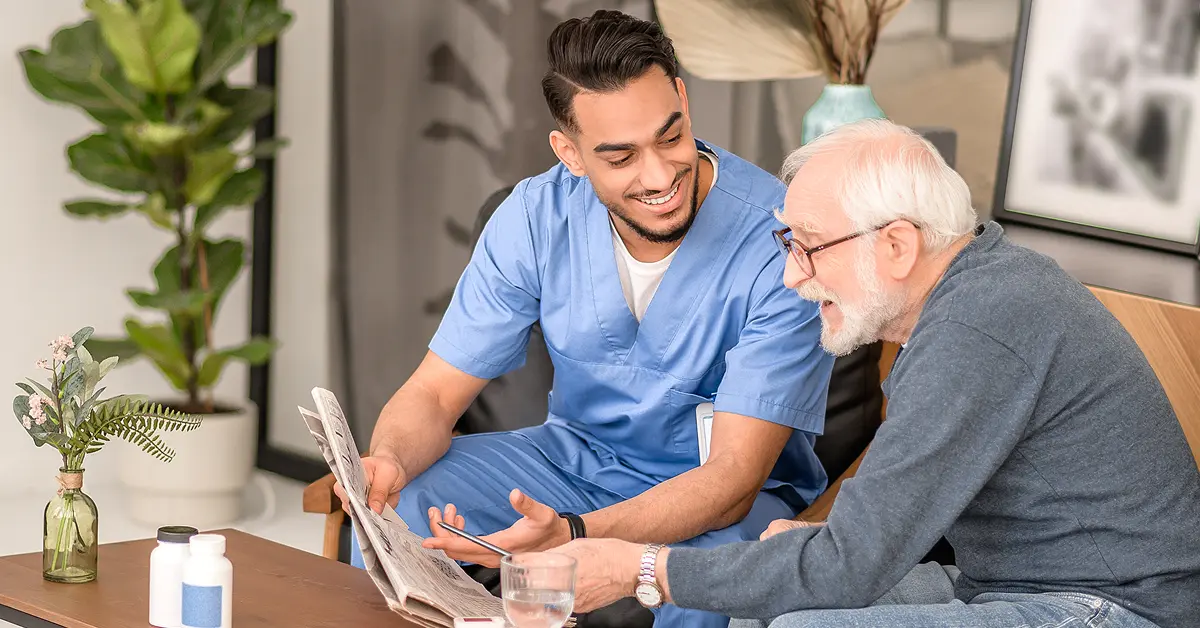
As people age, their nutritional needs change significantly. Seniors often face challenges like loss of appetite, difficulty chewing or swallowing, digestive issues, or managing chronic diseases such as diabetes, hypertension, and osteoporosis. Providing proper nutrition becomes a critical component of elder care — and in-home care services are now rising to meet this demand across India.
Personalised nutrition support plans, when integrated into in-home elder care routines, ensure that seniors receive the right nutrients in the right amounts at the right times. These plans are designed by professionals and tailored according to the elder’s age, medical condition, dietary preferences, and lifestyle habits.
Let’s explore how in-home care provides holistic nutrition support for elders and why it is one of the most effective ways to improve the quality of life for ageing family members.
Why Nutrition Support Matters for Elders
As metabolism slows down with age and physical activity decreases, the body requires fewer calories but more essential nutrients. Many seniors are at risk of malnutrition, not because of a lack of food, but because of:
- Decreased appetite or altered taste
- Dental issues
- Medication side effects
- Isolation or depression
- Limited mobility
- Poor digestion or nutrient absorption
Inadequate nutrition can lead to:
- Weakened immune system
- Muscle loss and weakness
- Poor wound healing
- Cognitive decline
- Increased hospitalisation
This is where in-home care plays a vital role — by integrating nutrition into everyday care routines.
Components of a Senior Nutrition Support Plan
A structured nutrition plan developed and implemented through in-home care usually includes:
Initial Nutritional Assessment
A trained caregiver or dietitian begins with a thorough assessment of:
- Medical history
- Existing health conditions
- Dietary restrictions or allergies
- Current weight and BMI
- Mobility and appetite levels
- Hydration habits
Personalised Meal Planning
Based on the assessment, a weekly or monthly meal chart is created. These plans typically:
- Include nutrient-dense foods rich in fibre, protein, vitamins, and minerals
- Reduce excess sugar, sodium, and unhealthy fats
- Address specific conditions like diabetes or cardiac issues
- Include soft or pureed foods if chewing is difficult
- Reflect the elder's food preferences and regional taste
Meal Preparation and Assistance
Many in-home caregivers are trained to:
- Prepare fresh and balanced home-cooked meals
- Follow hygienic cooking practices
- Serve food at correct intervals and appropriate temperatures
- Offer assistance with eating, if needed
Hydration Monitoring
Proper hydration is often overlooked. In-home caregivers ensure:
- Seniors drink enough water throughout the day
- Offer alternatives like coconut water, soups, buttermilk, or herbal teas
- Monitor signs of dehydration such as dry skin, confusion, or dizziness
Supplement Support
Where necessary, caregivers coordinate with doctors to provide:
- Calcium, Vitamin D, or B12 supplements
- Protein powders for seniors with low appetite
- Ayurvedic or herbal tonics, if preferred by the family
Progress Tracking and Adjustment
In-home care includes ongoing observation of:
- Energy levels
- Weight fluctuations
- Appetite changes
- Digestive comfort
Caregivers make adjustments to the plan in consultation with dietitians or family members as needed.
Special Nutrition Needs Covered in In-Home Elder Care
Different medical conditions require tailored support. In-home care nutrition plans address:
- Diabetes: Controlled carbohydrate intake, low glycaemic foods, and frequent small meals
- Hypertension: Low-sodium meals, potassium-rich fruits, and whole grains
- Osteoporosis: Calcium and vitamin D-enriched diets
- Dementia or Alzheimer’s: Finger foods, familiar dishes, and supervised mealtimes
- Parkinson’s disease: Easy-to-chew food, thick liquids to prevent choking
- Post-hospital recovery: High-protein and calorie-dense meals for muscle repair and healing
Emotional and Social Benefits of Nutrition-Focused In-Home Care
Nutrition care is not just about food — it's about care, companionship, and dignity. In-home care providers not only cook and serve food but also:
- Eat along with elders to prevent loneliness
- Encourage conversation during mealtime
- Respect cultural and religious dietary practices
- Motivate seniors to maintain their appetite
This emotional connection during meals promotes better digestion and builds trust between the elder and the caregiver.
How Indian Families Are Adopting In-Home Nutrition Care
With the rise of nuclear families and working professionals in India, many families are opting for in-home caregivers to support ageing parents. Professional elder care agencies offer:
- Nutritionist consultations
- Regular diet monitoring
- Meal delivery services for seniors
- Assistance in grocery shopping and cooking
Cities like Mumbai, Delhi, Bangalore, Hyderabad, and Chennai are seeing a boom in professional home care services tailored for elders — helping Indian families bridge the gap between medical needs and emotional care.
Tips for Families to Support Nutrition at Home
Even if you have a caregiver at home, family involvement makes a huge difference. Here’s how you can contribute:
- Visit often during mealtimes and share a meal
- Stock the pantry with healthy snacks and ingredients
- Appreciate the caregiver’s effort and communicate feedback
- Celebrate small victories like weight gain or improved appetite
Remember, good nutrition adds not just years to life, but life to years.
Conclusion
In-home elder care is no longer limited to medication and mobility support. Nutrition has become a central pillar of holistic elder care, ensuring our loved ones age with dignity, strength, and joy. Whether it's preparing soft idlis for breakfast, offering warm dal for lunch, or serving fruits in the evening, every small act of care counts.
With professional caregivers and customised nutrition support plans, families across India can now ensure that their elderly members live healthier, longer, and more independent lives — right in the comfort of their homes.
Contents
- Why Nutrition Support Matters for Elders
- Components of a Senior Nutrition Support Plan
- Special Nutrition Needs Covered in In-Home Elder Care
- Emotional and Social Benefits of Nutrition-Focused In-Home Care
- How Indian Families Are Adopting In-Home Nutrition Care
- Tips for Families to Support Nutrition at Home
- Conclusion
Our 24*7 services
Latest Posts
- What Is Respite Care and Why Is It Important
- Affordable home care for senior citizens in India
- Caring for Seniors with Dementia or Alzheimer's at Home
- Senior Caregiving A Guide for Every Family
- How to Write a Caregiver Resume That Gets You Hired
- How Care After Hospital Discharge Speeds Up Recovery at Home
- How to Get Home Health Care for Seniors Through Medicare
- What Does a Senior Citizen Caregiver Really Do at Home
- How to Care for Elderly Parents with Alzheimer’s or Dementia
- How to Get 24-Hour Care for Seniors at Home