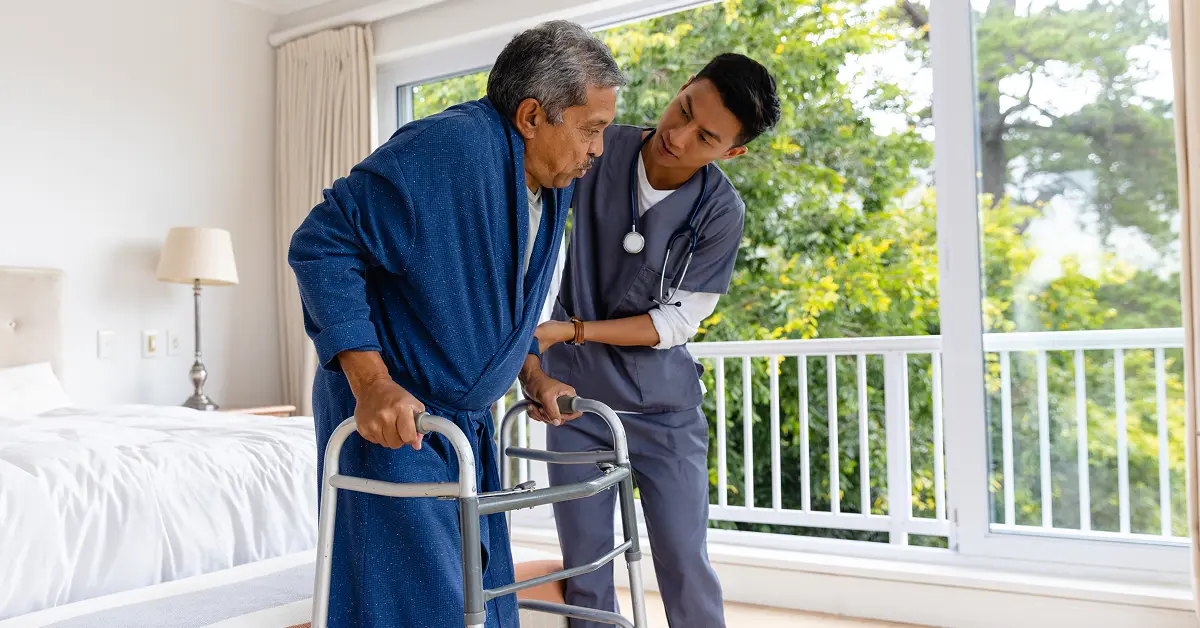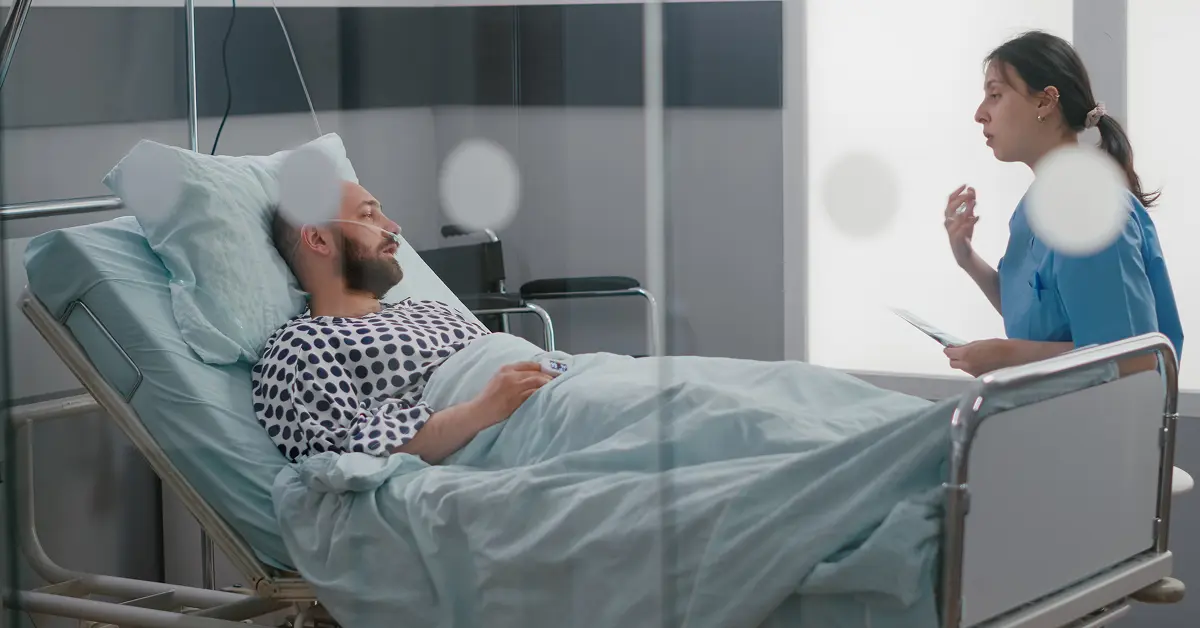
Recovery after hospitalization or surgery can be a challenging phase for both patients and their families. The transition from hospital to home is critical, and without proper guidance, it can lead to complications, readmissions, or delays in recovery. This is where personalized nursing and Hospital Discharge plans play a vital role. By tailoring care plans to individual patient needs, healthcare providers ensure that recovery continues seamlessly, promoting better health outcomes and peace of mind for families.
Understanding Nursing and Discharge Care Plans
A nursing and discharge care plan is a structured strategy that outlines the steps and interventions required for a patient’s recovery after leaving the hospital. These plans are designed by healthcare professionals, primarily nurses, to ensure continuity of care. They cover multiple aspects of patient care, including medication management, wound care, nutrition, physical therapy, and follow-up appointments.
Personalized care plans consider the unique medical conditions, lifestyle, home environment, and support system of each patient. This individualized approach is crucial because no two patients recover in exactly the same way.
Why Personalized Care Plans Matter
Promotes Faster Recovery
When care plans are customized, they address the patient’s specific medical needs. For instance, a patient recovering from cardiac surgery may need a different regimen compared to someone recovering from orthopedic surgery. Personalized instructions about diet, exercises, and medication adherence significantly reduce recovery time and prevent complications.
Reduces Hospital Readmissions
One of the leading causes of hospital readmissions in India is improper post-discharge care. A well-structured care plan ensures that patients and their families are aware of warning signs, understand how to take medications correctly, and follow recommended lifestyle changes. This proactive approach reduces the likelihood of complications and avoids unnecessary readmissions.
Provides Emotional Support
Recovery at home can be overwhelming. Patients may experience anxiety, fatigue, or confusion about their treatment. Tailored care plans often include emotional support strategies, counseling sessions, and guidance on managing stress, helping patients stay positive and focused on recovery.
Educates Families and Caregivers
Discharge care plans are not just for patients—they are also a guide for family members and caregivers. Training and instructions on how to assist with daily activities, administer medications, monitor vital signs, and recognize emergency symptoms empower families to provide safe and effective care.
Components of a Tailored Nursing and Discharge Care Plan
Personalized care plans typically include several key components:
Detailed Medical Instructions
These include information on medications, dosage, frequency, potential side effects, and precautions. Nurses ensure patients understand these instructions clearly, often providing visual aids or written guidelines for better adherence.
Wound Care and Dressing Guidelines
For patients recovering from surgery or injuries, proper wound care is essential. Care plans provide step-by-step instructions for dressing changes, cleaning procedures, and signs of infection that require immediate attention.
Nutrition and Diet Plans
Nutrition plays a critical role in healing. A discharge care plan may include customized meal plans, dietary restrictions, hydration recommendations, and guidance on supplements that support recovery.
Physical Therapy and Exercise Routines
Post-hospitalization rehabilitation is often necessary to restore mobility and strength. Care plans outline safe exercises, frequency, and techniques, ensuring patients perform them correctly at home.
Follow-up Appointments and Monitoring
Regular check-ups with doctors and therapists are essential for ongoing recovery. Care plans include a schedule of appointments and instructions for monitoring vital signs or symptoms, helping healthcare providers track progress effectively.
Emergency and Safety Guidelines
A tailored care plan ensures that patients and families know what to do in case of emergencies. This includes contact numbers for healthcare providers, nearby hospitals, and step-by-step instructions for urgent situations.
How Nursing Professionals Tailor Care Plans
- Assessment of Patient Needs: Nurses evaluate the patient’s medical history, current condition, home environment, and support system.
- Collaborative Planning: They work with doctors, physiotherapists, dietitians, and other specialists to create a holistic plan.
- Patient and Family Education: Nurses provide clear instructions, demonstrations, and written material to ensure everyone involved understands the plan.
- Follow-up and Adjustments: Care plans are dynamic; nurses regularly follow up with patients to assess progress and make necessary adjustments.
Benefits for Indian Families
- Shared Responsibility: Multiple family members can participate in care, guided by clear instructions.
- Cultural Sensitivity: Care plans can include traditional diets, remedies, and practices that support recovery while remaining medically safe.
- Cost-Effective: Preventing complications and readmissions reduces healthcare costs, making recovery more affordable for families.
Choosing the Right Nursing and Discharge Care Services
When selecting post-discharge nursing services in India, consider the following factors:
- Experience and Training: Choose nurses with specialized training in post-surgical care, chronic illness management, or elder care.
- Customized Approach: Ensure the service provides individualized care plans rather than generic instructions.
- Availability: Look for 24/7 support or regular home visits to meet urgent needs.
- Communication: Nurses should maintain open communication with doctors and family members for effective care coordination.
Conclusion
Recovery does not end at the hospital doors. Personalized nursing and discharge care plans bridge the gap between hospital care and home recovery, ensuring Patient Care continuous support tailored to their unique needs. From faster healing to reduced complications, emotional support, and family empowerment, these plans are essential for safe and effective recovery.
Investing in professional nursing services that provide tailored care plans is an investment in health, safety, and peace of mind. Whether it’s post-surgery recovery, managing chronic conditions, or elder care, a well-structured care plan ensures that patients transition home smoothly and confidently.
By prioritizing personalized care, families in India can ensure that their loved ones not only heal faster but also regain independence and quality of life.
Contents
Our 24*7 services
Latest Posts
- What Is Respite Care and Why Is It Important
- Affordable home care for senior citizens in India
- Caring for Seniors with Dementia or Alzheimer's at Home
- Senior Caregiving A Guide for Every Family
- How to Write a Caregiver Resume That Gets You Hired
- How Care After Hospital Discharge Speeds Up Recovery at Home
- How to Get Home Health Care for Seniors Through Medicare
- What Does a Senior Citizen Caregiver Really Do at Home
- How to Care for Elderly Parents with Alzheimer’s or Dementia
- How to Get 24-Hour Care for Seniors at Home