In senior home care, where comfort, emotional support, and mental engagement are as critical as physical health, alternative therapies are gaining momentum. Among them, music and audio therapy stand out as powerful tools. With growing evidence pointing to their positive impact on memory, mood, mobility, and social connection, these therapies are becoming an integral part of elder care routines in India. Whether through a soothing bhajan, a classic Lata Mangeshkar tune, or ambient natural sounds, music provides more than entertainment—it’s a form of healing.
This blog explores the various types of music and audio therapies used in senior home care, their benefits, how caregivers incorporate them into daily routines, and why this gentle, non-invasive approach can bring deep emotional and physical relief.
Why Music Therapy Matters for Seniors
Ageing often brings challenges like loneliness, dementia, physical limitations, and mood fluctuations. For many seniors, especially those recovering at home or with limited mobility, traditional entertainment loses its charm. That’s where music therapy becomes more than a hobby—it becomes a lifeline.
Scientific studies reveal that music activates regions of the brain linked to memory, attention, and emotions. For seniors with Alzheimer’s or Parkinson’s, music therapy can bring moments of clarity, spark forgotten memories, and reduce agitation. It also fosters social interaction, improves sleep, lowers blood pressure, and boosts overall morale.
Types of Music and Audio Therapies Used in Senior Care
Active Music Therapy
In active therapy sessions, seniors engage in singing, clapping, or playing simple instruments like tambourines or shakers. These sessions can be one-on-one or in groups, often facilitated by a trained caregiver or therapist.
- Encourages physical movement
- Enhances motor coordination
- Promotes cognitive stimulation and memory recall
- Builds social bonds through group singing or chanting
Passive Listening Therapy
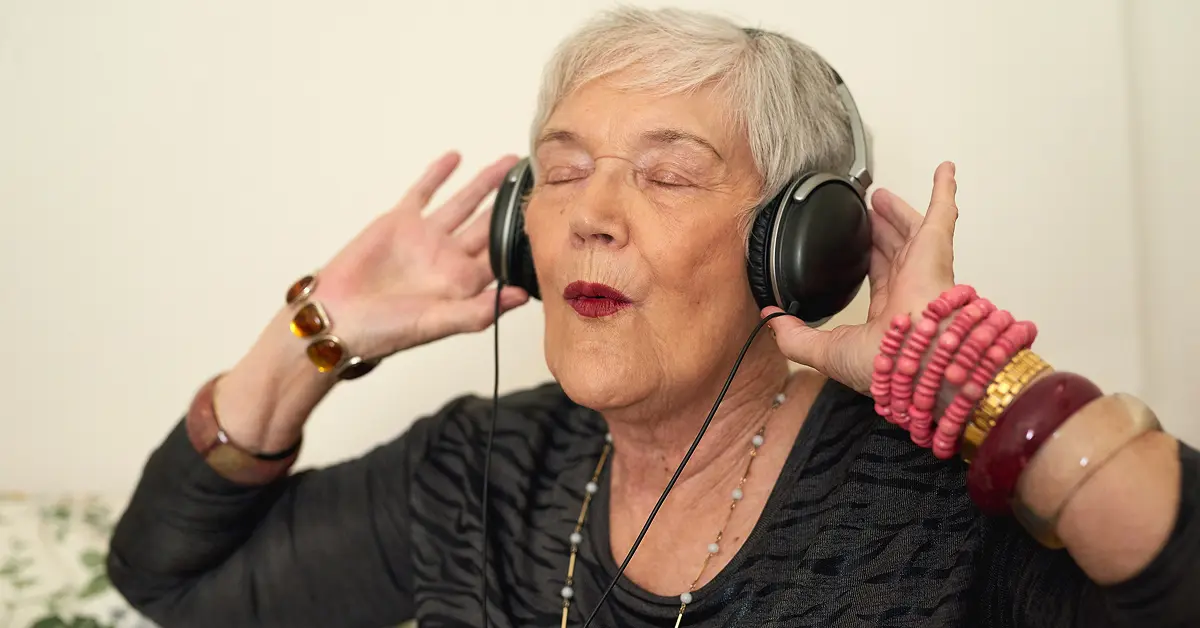
This method involves listening to curated playlists or calming sounds like nature sounds, instrumental music, or devotional bhajans. Seniors relax in a quiet space while music plays softly in the background.
- Reduces anxiety and depression
- Improves sleep patterns
- Eases chronic pain perception
- Enhances relaxation and blood pressure control
Reminiscence Therapy Through Music
Caregivers often use songs from a senior’s youth—like old Hindi film songs from the 50s or 60s—to trigger memories and encourage conversations.
- Supports memory recall in dementia patients
- Encourages storytelling and emotional connection
- Helps identify identity and self-worth
Guided Meditation with Audio Therapy
Combining soft music with guided breathing, chanting, or spoken affirmations, this therapy calms the nervous system and improves emotional health.
- Enhances mental clarity
- Reduces symptoms of anxiety or trauma
- Builds inner peace and mindfulness
Binaural Beats and Sound Frequency Healing
Though relatively new in India, binaural beats and frequency healing are used in some advanced care settings. These therapies involve tones of specific frequencies believed to align brain waves and promote healing.
- Induces deep relaxation
- Supports cognitive repair
- Enhances focus and reduces confusion
How Caregivers Incorporate Music Therapy at Home
a. Creating Personalized Playlists
Caregivers compile playlists based on the senior’s preferences—old devotional songs, ghazals, regional folk songs, or even Western classics. This personal touch makes therapy more relatable and effective.
b. Scheduling Music Sessions
In-home caregivers integrate music into daily routines—for example:
- Morning: Soft classical raga to start the day
- Afternoon: Light instrumental music during rest time
- Evening: Bhajans or songs during evening tea
c. Using Technology Smartly
Smart speakers like Alexa or Google Nest are used to play music on voice command. Apps like Spotify, Gaana, or YouTube provide access to curated playlists suitable for seniors.
d. Encouraging Participation
Where possible, caregivers encourage seniors to sing along, play small instruments, or even dance lightly to the rhythm—adding a physical dimension to therapy.
e. Observing and Adapting
Caregivers monitor the senior’s mood, energy level, and response to different types of music, adjusting sessions accordingly.
Real-life Scenario from Indian Homes
Mrs. Verma, an 80-year-old retired schoolteacher from Pune, began experiencing mild cognitive decline. Her caregiver introduced her to a daily music routine involving her favourite old Hindi classics from Mukesh and Talat Mahmood. Within weeks, Mrs. Verma became more responsive, often smiling and singing along—something her family hadn’t seen in months.
Such examples are becoming more common across Indian households, proving that music can open emotional and cognitive doors no medicine can.
Benefits of Music and Audio Therapy in Elder Care
| Area of Impact | How Music Helps |
|---|---|
| Emotional Well-being | Reduces depression, lifts mood, brings joy |
| Cognitive Health | Improves memory recall, especially in dementia patients |
| Physical Relaxation | Lowers blood pressure, reduces pain |
| Social Engagement | Encourages interaction, reduces isolation |
| Spiritual Peace | Devotional songs offer inner calm and spiritual comfort |
Challenges and Considerations
While music therapy offers numerous benefits, some considerations must be kept in mind:
- Noise sensitivity: Not all seniors respond well to loud or fast-paced music.
- Hearing issues: Proper volume control and sometimes use of hearing aids are needed.
- Mood alignment: The music should match the emotional state—melancholic tunes may worsen sadness.
- Cultural preferences: Regional language music or devotional content often works better for emotional resonance.
Hence, trained caregivers must always assess and adapt therapy sessions to suit individual needs.
Conclusion
As India’s population of seniors grows, holistic approaches to home care are more important than ever. Music and audio therapies offer a gentle, affordable, and deeply effective way to support the emotional and mental well-being of our elders. Whether it’s through nostalgic melodies or calming mantras, these therapies bridge the gap between care and connection.
When delivered thoughtfully by trained caregivers, music becomes not just a background tune—but a healing force that brings joy, peace, and dignity to the later stages of life.
Contents
Our 24*7 services
Latest Posts
- What Is Respite Care and Why Is It Important
- Affordable home care for senior citizens in India
- Caring for Seniors with Dementia or Alzheimer's at Home
- Senior Caregiving A Guide for Every Family
- How to Write a Caregiver Resume That Gets You Hired
- How Care After Hospital Discharge Speeds Up Recovery at Home
- How to Get Home Health Care for Seniors Through Medicare
- What Does a Senior Citizen Caregiver Really Do at Home
- How to Care for Elderly Parents with Alzheimer’s or Dementia
- How to Get 24-Hour Care for Seniors at Home