Learn how caregivers and patients can effectively monitor blood pressure and blood sugar levels after hospital discharge. Get essential tips, tools, and routines to maintain health and avoid complications at home.
Why Monitoring Matters After Discharge
Post-discharge care is a sensitive period. The patient’s body is still recovering, and any fluctuations in BP or sugar can undo the progress made during hospitalization. Here’s why regular checks are critical:
- Detecting Fluctuations Early: Immediate identification of abnormal readings can prevent emergency readmissions.
- Medication Management: Ensures that prescribed medicines are working effectively.
- Preventing Complications: Helps in reducing risks like strokes, kidney damage, diabetic coma, or heart failure.
- Empowering Caregivers: Builds confidence in caregivers to act promptly and responsibly.
Tools You’ll Need
To monitor blood pressure and blood sugar levels at home, certain tools are essential. Investing in these is a long-term health decision.
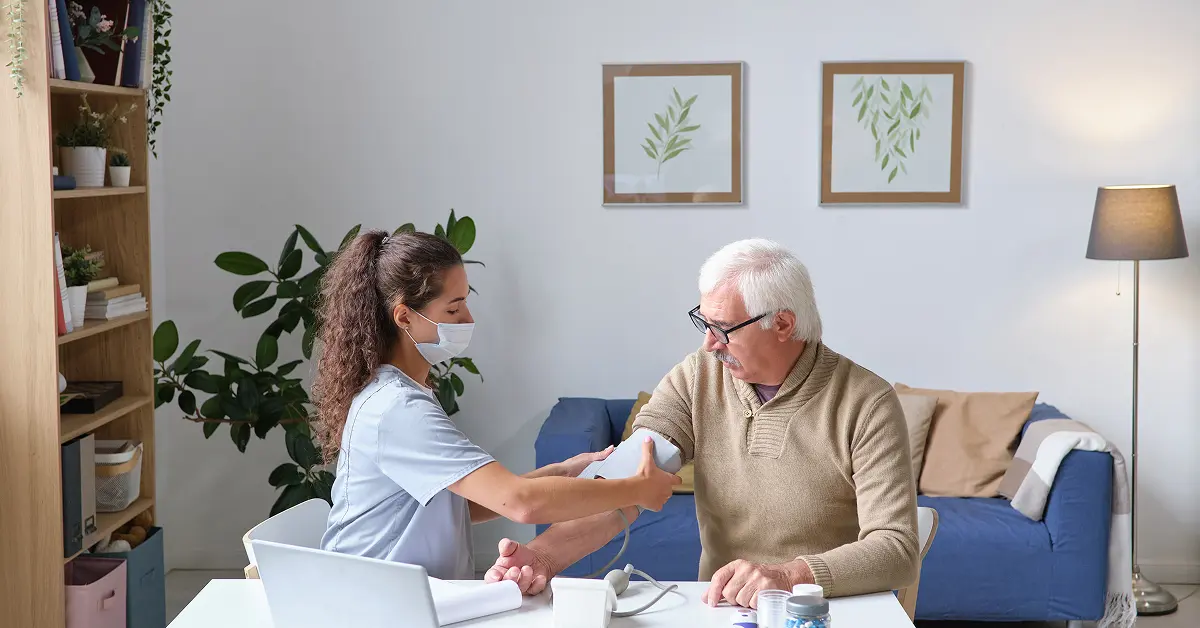
Digital Blood Pressure Monitor
- Type: Upper arm monitors are generally more accurate than wrist ones.
- Features: Choose one with large display, memory storage, and WHO standard indicators.
Glucometer
- Essentials: Test strips, lancets, alcohol swabs, and logbook.
- Smart Features: Some models connect to mobile apps and store history.
Health Log Book or App
- Manual or Digital: Maintain records consistently for doctor consultations.
Ideal Monitoring Schedule
Every patient is different, and schedules must be personalized. However, these general guidelines apply in most post-discharge cases:
Blood Pressure
- Frequency: Twice daily – morning and evening.
- Position: Sitting comfortably with the arm at heart level.
- Pre-conditions: No caffeine, smoking, or physical exertion 30 minutes prior.
Blood Sugar
- For Diabetics: Fasting, Postprandial, Before bedtime.
- For Non-Diabetics: Once daily or as advised.
Note: Always consult the discharge summary and treating doctor’s instructions.
Caregiver's Role in Monitoring
Caregivers play a vital role in the accuracy and consistency of home monitoring. Here’s what they should ensure:
- Routine Adherence: Stick to the prescribed time slots consistently.
- Hygiene Practices: Always use clean hands and sanitized devices.
- Calm Environment: Monitor in a quiet, relaxed space to avoid anxiety-induced fluctuations.
- Observation and Communication: Track trends and alert the doctor for abnormal readings.
- Device Maintenance: Ensure calibration and proper working condition of equipment.
Nutritional and Lifestyle Support
Monitoring is only part of the equation. Supporting stable readings also depends on diet, activity, and medication adherence.
Diet Tips:
- For BP: Reduce salt, avoid fried food, include potassium-rich foods.
- For Sugar: Eat low-glycemic foods and maintain portion control.
- Hydration: Encourage water intake and avoid sugary drinks.
Activity:
Gentle walking, yoga, or stretching as per doctor’s advice helps improve both BP and sugar levels.
Sleep and Stress:
Ensure restful sleep and promote relaxation through breathing exercises or meditation.
When to Seek Medical Help
Not all fluctuations require a hospital visit, but certain symptoms must not be ignored:
For Blood Pressure:
- Persistent headaches
- Chest pain
- Vision issues
- Dizziness or fainting
For Sugar:
- Extreme thirst or hunger
- Confusion or irritability
- Sudden sweating or tremors
- Unconsciousness
Always have emergency contacts and medications ready.
Smart Technology in Home Monitoring
With India's increasing digital penetration, caregivers can now leverage technology:
- Apps: Use apps like BeatO, HealthifyMe, and MySugr to track trends and alerts.
- Bluetooth-enabled Monitors: Automatically send readings to doctors.
- Telemedicine: Remote consultations help adjust medication and care.
Emotional Support During Monitoring
Post-discharge life can be overwhelming for patients, especially elders. Monitoring can feel intrusive or anxiety-inducing.
- Be patient and reassuring.
- Avoid blame or panic on abnormal readings.
- Celebrate improvements, however small.
Empathy is as important as accuracy in caregiving.
Final Thoughts
Monitoring blood pressure and sugar after hospital discharge is not just a routine—it’s a life-saving practice. Whether you're caring for an elder with chronic illness or a younger patient recovering from surgery, consistency, awareness, and empathy go a long way.
Invest in reliable equipment, follow a disciplined schedule, and stay connected with healthcare providers. With the right approach, caregivers can ensure smooth recovery, reduced hospital visits, and a better quality of life for their loved ones.
Contents
Our 24*7 services
Latest Posts
- What Is Respite Care and Why Is It Important
- Affordable home care for senior citizens in India
- Caring for Seniors with Dementia or Alzheimer's at Home
- Senior Caregiving A Guide for Every Family
- How to Write a Caregiver Resume That Gets You Hired
- How Care After Hospital Discharge Speeds Up Recovery at Home
- How to Get Home Health Care for Seniors Through Medicare
- What Does a Senior Citizen Caregiver Really Do at Home
- How to Care for Elderly Parents with Alzheimer’s or Dementia
- How to Get 24-Hour Care for Seniors at Home