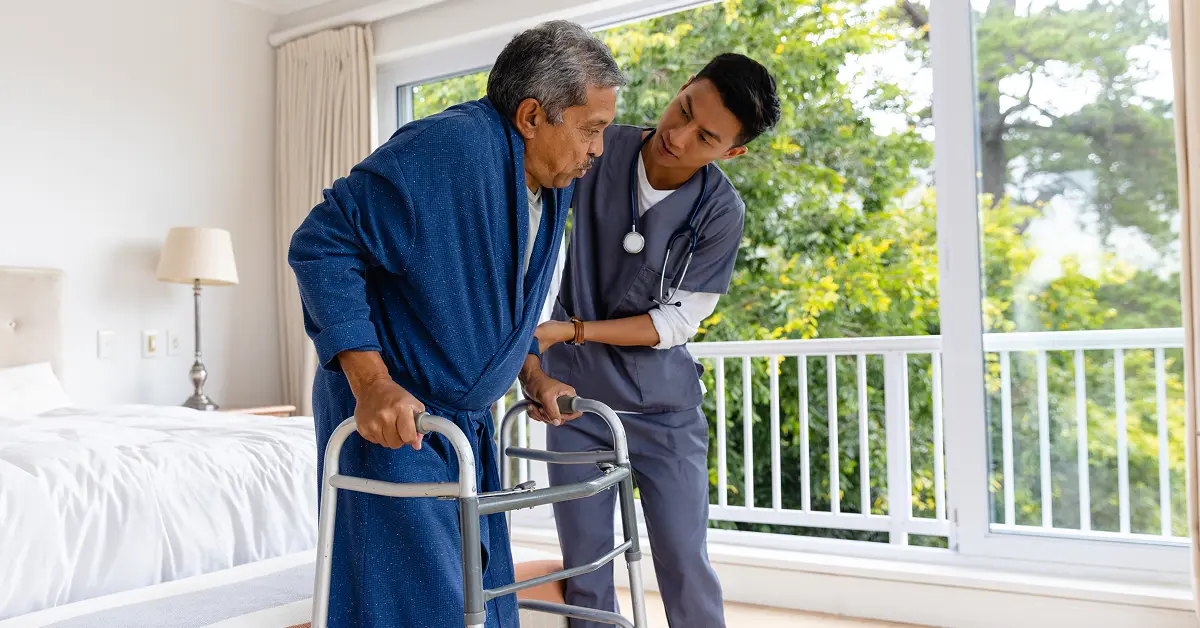
Recovering after a hospital stay isn’t just about physical healing — mental and emotional wellness are just as crucial. In fact, patients often face anxiety, depression, and emotional stress after discharge, especially if the illness was severe or long-term. That’s why building a strong post-discharge mental health care plan is key to a smoother recovery journey.
Whether you’re recovering at home or assisting a loved one through their recovery, incorporating mental wellness care strategies can significantly enhance healing outcomes. In this blog, we’ll explore practical, effective ways to support mental wellness during the post-discharge phase — especially for Indian families, where caregiving often takes place at home.
Why Mental Health Matters After Hospital Discharge
When patients return home after surgery, illness, or long-term care, they often face a mix of emotions — relief, exhaustion, confusion, and fear. The sudden shift from a structured hospital environment to home can be overwhelming.
Post-discharge mental challenges may include:
- Anxiety about recovery progress
- Depression due to physical limitations
- Fear of relapse
- Social withdrawal or isolation
- Emotional fatigue from lifestyle changes
If these emotional struggles are ignored, they can delay physical recovery, reduce medication adherence, and even lead to hospital readmissions. That’s why mental wellness must be integrated into the post-discharge care plan.
Build a Supportive Environment at Home
The recovery space at home should feel calming, safe, and supportive. Patients should never feel isolated or burdened by their limitations. Indian homes can be adapted to promote healing by:
- Ensuring a clean, clutter-free, and well-lit room
- Allowing family members to rotate caregiving responsibilities
- Displaying motivational quotes or familiar objects
- Limiting noise and disturbances
- Encouraging open communication about emotions
Encourage a Daily Routine
One of the biggest psychological shocks after Hospital Discharge is the loss of routine. A consistent daily schedule gives patients a sense of purpose and structure, reducing uncertainty and anxiety.
Include the following in the daily routine:
- Wake-up and sleep timings
- Medication and therapy reminders
- Light physical activity (as advised)
- Short relaxation or mindfulness sessions
- Time for reading, listening to music, or spiritual practice
- Social interactions with family or friends
Monitor for Signs of Post-Discharge Depression
Family caregivers should stay alert for emotional red flags, especially if the patient seems withdrawn or emotionally flat.
Common signs of post-discharge depression include:
- Loss of interest in daily activities
- Sleep disturbances
- Irritability or frequent crying
- Fatigue not related to physical condition
- Feelings of hopelessness or worthlessness
- Social withdrawal
If you notice these signs persisting for more than a week, consult a mental health professional. Early detection is critical for effective treatment.
Involve Mental Health Professionals
Post-discharge recovery isn’t only about doctors and nurses. Psychologists, counsellors, and therapists should also be part of the recovery team — especially for patients with trauma, surgery-related anxiety, or chronic illness.
Options include:
- In-person therapy sessions
- Online counselling platforms (like BetterHelp, YourDOST, or Practo in India)
- Group therapy for chronic conditions (like cancer or stroke survivors)
Practice Mindfulness and Meditation
Mindfulness is a powerful tool in managing post-discharge stress, fear, and pain. It helps patients focus on the present moment rather than worrying about the future.
Introduce simple practices such as:
- 5-10 minutes of guided meditation
- Deep breathing exercises (pranayama)
- Chanting, affirmations, or spiritual reflection
- Gratitude journaling
Stay Connected with a Social Circle
Post-discharge patients often feel isolated, especially if they are confined to bed or restricted in mobility. Social connection is vital for emotional healing.
Encourage:
- Phone or video calls with friends and relatives
- Group chats or community WhatsApp groups
- Visits from close family members (as per health protocols)
- Virtual participation in spiritual or cultural events
Set Realistic Recovery Expectations
Recovery is a journey — sometimes slow, sometimes uncertain. Patients may feel frustrated or demotivated if they don’t see rapid progress. Setting realistic goals helps align expectations with outcomes.
Tips:
- Celebrate small wins
- Track emotional progress alongside physical milestones
- Avoid comparing the recovery timeline with others
- Keep the patient informed about what to expect during each recovery stage
Involve the Patient in Decision-Making
Feeling in control of their own care makes patients more motivated and emotionally secure. Empower the patient by:
- Asking for their input on meal choices, timings, or therapy schedules
- Respecting their privacy and boundaries
- Involving them in setting daily goals
Combine Traditional and Modern Healing
In Indian households, traditional wellness practices like Ayurveda, yoga, and spiritual healing play a big role in recovery. These can be safely combined with modern psychological techniques under proper supervision.
Examples:
- Herbal teas to reduce anxiety
- Mild yoga to improve breathing and calmness
- Listening to devotional music or chanting for emotional peace
Just ensure any remedies used don’t conflict with prescribed medicines.
Take Care of the Caregiver’s Mental Health
Last but not least, caregivers — often family members — must take care of their own mental health. Caregiver burnout is real and can affect the patient’s recovery.
Caregivers should:
- Take breaks regularly
- Sleep well and eat healthy
- Talk to someone they trust
- Join support groups online or offline
- Ask for help when needed
Remember, a healthy caregiver makes for a healthier patient.
Final Thoughts
Mental wellness is not separate from physical healing — they go hand-in-hand. In India, where post-discharge recovery often happens at home, involving the family and blending holistic strategies with clinical care makes a huge difference.
By prioritising emotional support, encouraging routines, involving professionals, and practicing mindfulness, recovery becomes smoother, faster, and more fulfilling — for both patient and caregiver.
Start building your post-discharge mental wellness care plan today. It’s not just about recovery; it’s about rediscovering life with strength and serenity.
Contents
- Why Mental Health Matters After Hospital Discharge
- Build a Supportive Environment at Home
- Encourage a Daily Routine
- Monitor for Signs of Post-Discharge Depression
- Involve Mental Health Professionals
- Practice Mindfulness and Meditation
- Stay Connected with a Social Circle
- Set Realistic Recovery Expectations
- Involve the Patient in Decision-Making
- Combine Traditional and Modern Healing
- Take Care of the Caregiver’s Mental Health
- Final Thoughts
Our 24*7 services
Latest Posts
- What Is Respite Care and Why Is It Important
- Affordable home care for senior citizens in India
- Caring for Seniors with Dementia or Alzheimer's at Home
- Senior Caregiving A Guide for Every Family
- How to Write a Caregiver Resume That Gets You Hired
- How Care After Hospital Discharge Speeds Up Recovery at Home
- How to Get Home Health Care for Seniors Through Medicare
- What Does a Senior Citizen Caregiver Really Do at Home
- How to Care for Elderly Parents with Alzheimer’s or Dementia
- How to Get 24-Hour Care for Seniors at Home