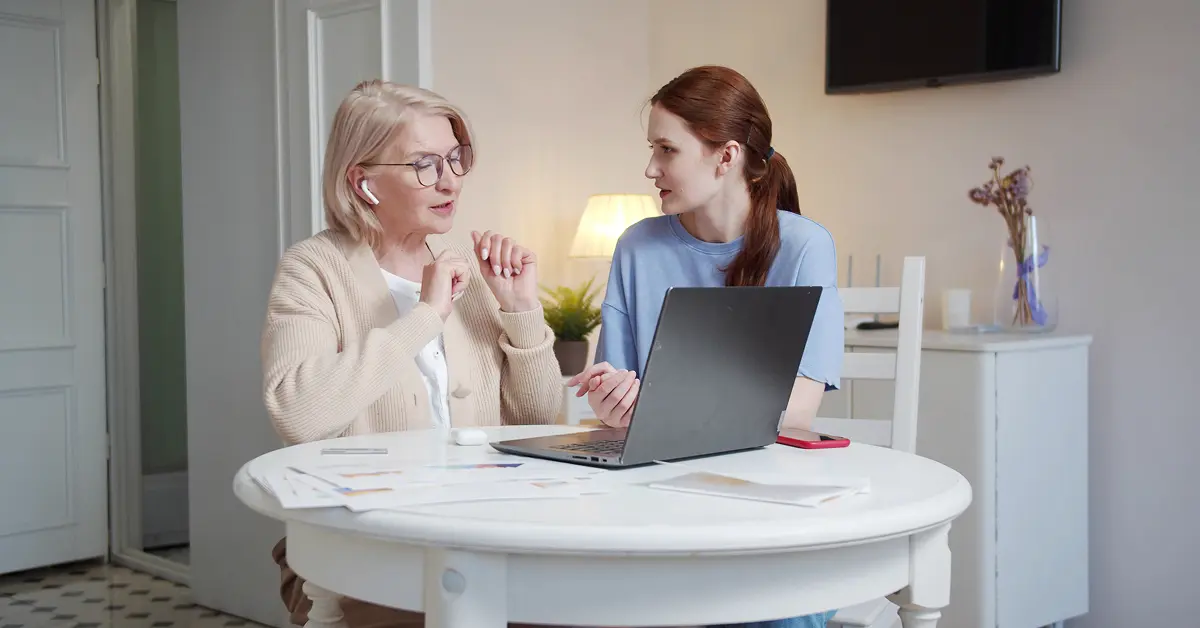
As our parents grow older, their memory often becomes one of the first areas affected by ageing. From occasional forgetfulness to conditions like dementia and Alzheimer’s disease, memory challenges can be distressing—not just for the elderly, but also for their families. Managing these memory issues requires patience, structure, medical understanding, and above all, compassionate care. This is where trained Parent Caregiver step in as a vital support system.
In India, the increasing demand for home-based elder care has created a growing need for caregivers who specialise in memory support. These trained professionals not only help with everyday routines but also ensure that your loved one’s mental wellness and dignity are preserved. Let’s explore how these caregivers are making a difference.
Understanding Memory Loss in Ageing Parents
Memory loss in seniors is often misunderstood as a normal part of ageing. While some mild forgetfulness is natural, more serious memory problems may be signs of underlying health issues such as:
- Mild Cognitive Impairment (MCI)
- Alzheimer’s Disease
- Vascular Dementia
- Parkinson’s Disease-related Dementia
Early symptoms may include forgetting recent events, misplacing items, struggling to find words, or confusion with time and place. These symptoms can be scary and frustrating for both parents and children. Recognising them early and providing appropriate care through trained caregivers is essential.
The Role of Trained Parent Caregivers in Memory Support
Structured Daily Routines
Trained caregivers help establish a consistent daily routine, which is crucial for individuals with memory problems. Predictability can reduce confusion and anxiety. From wake-up times to meals and bedtime rituals, a structured day helps seniors feel secure and oriented.
Memory Stimulation Activities
Caregivers are trained to include mental exercises such as:
- Puzzles and board games
- Recollection activities (e.g., photo albums)
- Storytelling sessions
- Musical therapy and bhajans
- Language-based games (especially in regional languages for comfort)
Health Monitoring and Medication Management
For elderly parents with memory issues, forgetting medications is a serious risk. Caregivers ensure timely administration of prescribed medicine and monitor changes in behaviour, alertness, or physical condition. This proactive approach helps in identifying issues early and updating healthcare providers if needed.
Safety and Supervision
Memory-impaired seniors are vulnerable to accidents—forgetting to turn off the gas, wandering off, or misplacing important items. Trained caregivers provide gentle supervision and create a safer living environment, such as:
- Labelling household items
- Installing grab bars in bathrooms
- Ensuring non-slip flooring
- Locking away sharp or dangerous tools
Emotional and Social Support
Trained caregivers are not just helpers—they are companions. They offer emotional support and companionship, which significantly reduces feelings of isolation and loneliness in elderly parents. Regular conversations, shared meals, and simple walks help seniors stay socially engaged and mentally alert.
How Caregiver Training Makes a Difference
Caregivers with proper training are far more effective in dealing with memory care than untrained domestic help or even well-meaning family members. Their training typically includes:
- Recognising stages of dementia
- Handling difficult behaviours (agitation, confusion, wandering)
- Communicating clearly and respectfully
- Encouraging independence where possible
- Responding calmly during memory-related crises
In India, several caregiver training institutes now offer short-term and long-term programs to upskill individuals in elderly memory care. This means families can now access professional-level assistance at home, often at affordable prices compared to hospital-based care.
Family Involvement in Memory Care
While trained caregivers handle the day-to-day, family members play a critical role in emotional connection and decision-making. Families should:
- Spend quality time with the parent, even if brief
- Celebrate small achievements in memory recall
- Keep communication calm, patient, and clear
- Involve the parent in meaningful tasks like folding clothes, watering plants
- Regularly review care routines with the caregiver
A good caregiver-family partnership ensures your loved one receives holistic care.
Choosing the Right Memory Caregiver in India
When hiring a caregiver for memory support, consider the following:
- Experience in Dementia or Alzheimer’s care
- References or background verification
- Knowledge of local language and culture
- Compatibility with your parent’s temperament
- Willingness to adapt to evolving needs
Agencies offering in-home care services often do rigorous background checks and match caregivers based on specific needs. You can also opt for part-time or live-in caregivers depending on your schedule and budget.
Affordability of Caregiver Services in India
In Indian metros and even Tier-2 cities, memory care services by trained caregivers have become more accessible. Part-time memory support caregivers may cost between ₹10,000 to ₹20,000 per month, while full-time or live-in caregivers may range from ₹20,000 to ₹40,000+ depending on the expertise and location.
Compared to the cost of nursing homes or hospitals, in-home caregiving is not only more affordable but also more emotionally comforting for the elderly.
Conclusion
Memory loss can be heartbreaking to witness in our ageing parents. But with the right support, we can ensure their dignity, comfort, and safety. Trained parent caregivers offer more than just assistance—they provide companionship, structure, and expert care tailored to the unique needs of individuals facing memory challenges.
In India’s evolving eldercare landscape, choosing a trained caregiver is a wise, compassionate step towards ensuring your parents enjoy a fulfilling and secure life in their golden years—right in the comfort of their home.
Contents
Our 24*7 services
Latest Posts
- What Is Respite Care and Why Is It Important
- Affordable home care for senior citizens in India
- Caring for Seniors with Dementia or Alzheimer's at Home
- Senior Caregiving A Guide for Every Family
- How to Write a Caregiver Resume That Gets You Hired
- How Care After Hospital Discharge Speeds Up Recovery at Home
- How to Get Home Health Care for Seniors Through Medicare
- What Does a Senior Citizen Caregiver Really Do at Home
- How to Care for Elderly Parents with Alzheimer’s or Dementia
- How to Get 24-Hour Care for Seniors at Home