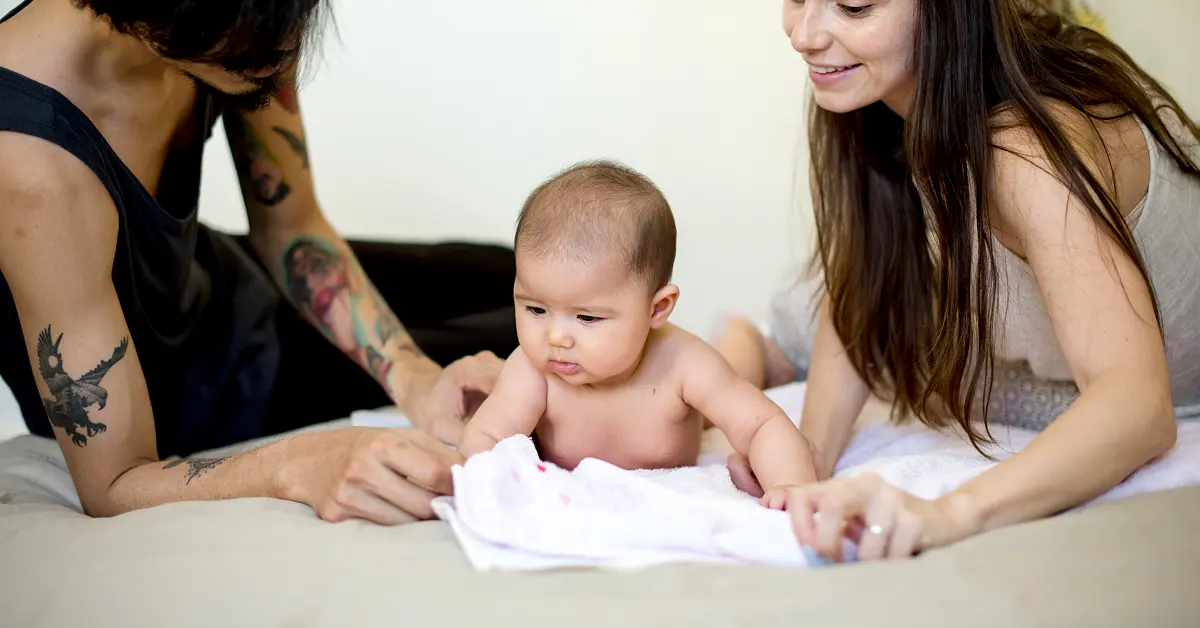
Discover why sleep training is crucial for newborns and parents alike. Learn benefits, methods, and expert tips for building healthy sleep habits early Baby Care Services
Introduction
Parenting a newborn is a deeply fulfilling experience, but it comes with challenges—especially sleepless nights. One of the most transformative steps parents can take during early baby care is sleep training. This process, often misunderstood, is not about forcing a baby to sleep, but about teaching healthy sleep habits that benefit both the child and the caregivers.
In the Indian context, where joint family systems, cultural practices, and parental expectations intersect, understanding the importance and process of sleep training becomes even more essential. Let’s explore why sleep training matters in early infancy and how Indian parents can adopt it effectively.
What is Sleep Training?
Sleep training refers to methods used to help a baby learn how to fall asleep independently and stay asleep through the night. Typically introduced between 4 to 6 months of age, sleep training supports the development of a structured sleep routine, allowing the baby to connect sleep cycles without relying on external aids like rocking, feeding, or constant parental presence.
There are several approaches to sleep training, such as:
- Ferber method (Graduated Extinction)
- Chair method
- No Tears method
- Pick Up/Put Down
- Fading method
The choice depends on the baby’s temperament and the family's comfort level.
Why is Sleep Training Important in Early Baby Care?
Improved Baby Health
Good sleep is foundational for a baby’s physical and mental development. During deep sleep, the body releases growth hormones, supports brain development, and boosts immunity. Babies who sleep well are more alert, feed better, and exhibit better mood regulation.
Better Parental Well-being
Sleep-deprived parents are more prone to fatigue, anxiety, and postpartum depression. With sleep training, babies learn to self-soothe and sleep for longer stretches, which allows caregivers to get sufficient rest and maintain a better quality of life.
Consistent Routine Formation
Sleep training encourages routine, which is essential for early childhood. It helps babies anticipate what comes next—bedtime, feeding, play, etc. This sense of structure contributes to emotional security and discipline as they grow.
Reduced Dependency on Sleep Aids
Without sleep training, babies may become reliant on external aids like feeding, swinging, or being held to sleep. Sleep training teaches them to fall asleep on their own, reducing night wakings and the need for parental intervention.
Long-Term Sleep Benefits
Children who are sleep-trained early tend to continue having healthy sleep habits in toddlerhood and beyond. This translates to better academic focus, behavior, and physical health as they grow older.
Common Misconceptions about Sleep Training
“It’s cruel to let babies cry.”
Sleep training doesn’t necessarily involve letting your baby cry endlessly. Gentle methods like the “No Tears” approach or the “Chair method” involve gradual adjustment and consistent reassurance, making it a nurturing process.
“Babies should wake up to feed frequently at night.”
While newborns do need night feeds, by around 4-6 months, many can sleep for longer stretches. Sleep training works in conjunction with developmental milestones and doesn’t ignore feeding needs.
“Indian parenting doesn’t align with sleep training.”
Modern Indian parenting blends traditional values with practical methods. Sleep training is adaptable—you can maintain bonding rituals like lullabies and massage while encouraging independent sleep.
Best Time to Start Sleep Training
Experts recommend beginning sleep training between 4 to 6 months of age when a baby’s circadian rhythm starts developing. By this time, they can go longer without nighttime feeds and have the cognitive ability to develop new habits.
However, readiness can vary. Key indicators include:
- Baby is gaining weight steadily
- Can stay awake for longer periods during the day
- Has some predictable patterns in feeding and sleeping
Tips for Effective Sleep Training
Establish a Bedtime Routine
Start with a warm bath, baby massage, dim lights, a lullaby or story—anything soothing and repeatable. This signals that bedtime is approaching.
Set a Consistent Sleep Schedule
Put your baby to bed at the same time every night. A consistent schedule helps regulate their body clock.
Create a Sleep-Friendly Environment
Ensure the room is quiet, dark, and cool. You can use blackout curtains and white noise machines to eliminate disturbances.
Avoid Overstimulation Before Bed
Avoid active play or bright lights in the hour before sleep. Instead, switch to calm activities like soft music or storytelling.
Be Consistent
Once you choose a sleep training method, stick with it for at least a week. Mixed signals can confuse the baby and delay progress.
Encourage Self-Soothing
Let the baby try to fall asleep on their own for a few minutes before stepping in. This builds confidence and sleep independence.
Indian Parenting and Sleep Training
In India, co-sleeping is common and culturally accepted. Sleep training can still be effective in this setup with minor adjustments. For example:
- Use a baby cot attached to the bed instead of full separation
- Maintain the same sleep routine even when traveling or visiting relatives
- Involve other caregivers in the bedtime routine to create uniformity
Grandparents may have different views about baby sleep, so it’s important to explain the benefits of sleep training and work together to maintain consistency.
When to Consult a Pediatrician
Sleep training isn’t one-size-fits-all. If your baby has:
- Colic or acid reflux
- Developmental delays
- Unusual sleep patterns even after consistent efforts
...it’s wise to consult your pediatrician before continuing. They can help rule out underlying medical issues.
Final Thoughts
Sleep training isn’t about depriving a baby of comfort—it’s about giving them the tools to sleep independently, setting the stage for a lifetime of healthy habits. In the first few months, parenting may seem overwhelming, but sleep training can offer structure, predictability, and peace for the entire family.
For Indian parents navigating age-old traditions and modern parenting tools, sleep training offers a balanced approach to ensuring your baby gets the rest they need—and so do you.
Contents
Our 24*7 services
Latest Posts
- What Is Respite Care and Why Is It Important
- Affordable home care for senior citizens in India
- Caring for Seniors with Dementia or Alzheimer's at Home
- Senior Caregiving A Guide for Every Family
- How to Write a Caregiver Resume That Gets You Hired
- How Care After Hospital Discharge Speeds Up Recovery at Home
- How to Get Home Health Care for Seniors Through Medicare
- What Does a Senior Citizen Caregiver Really Do at Home
- How to Care for Elderly Parents with Alzheimer’s or Dementia
- How to Get 24-Hour Care for Seniors at Home