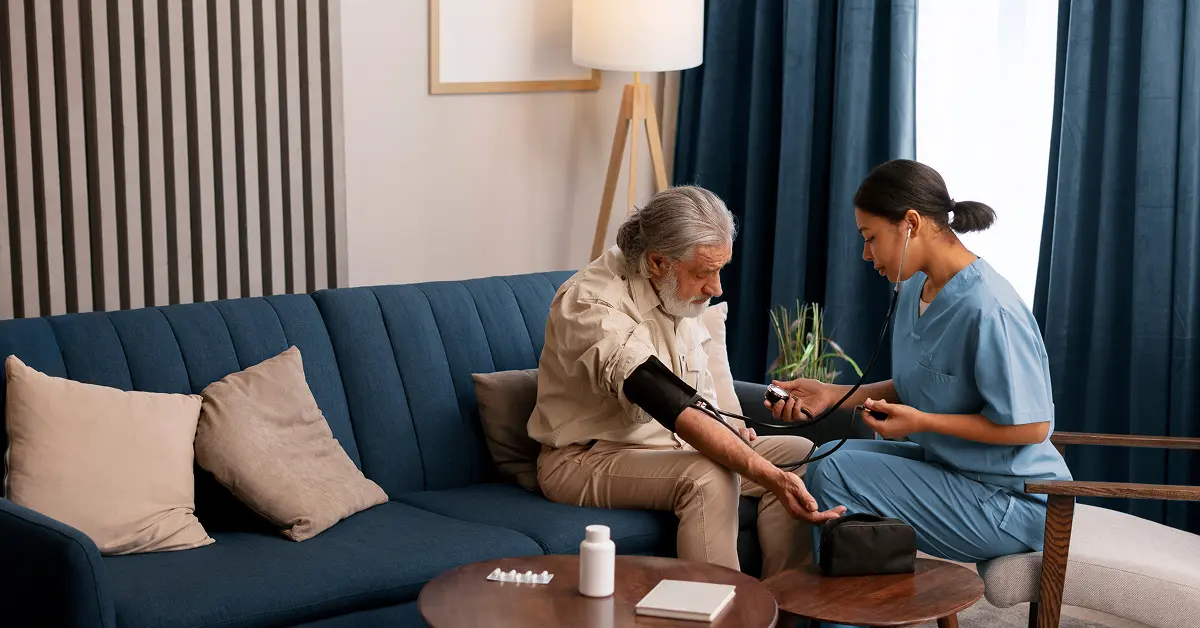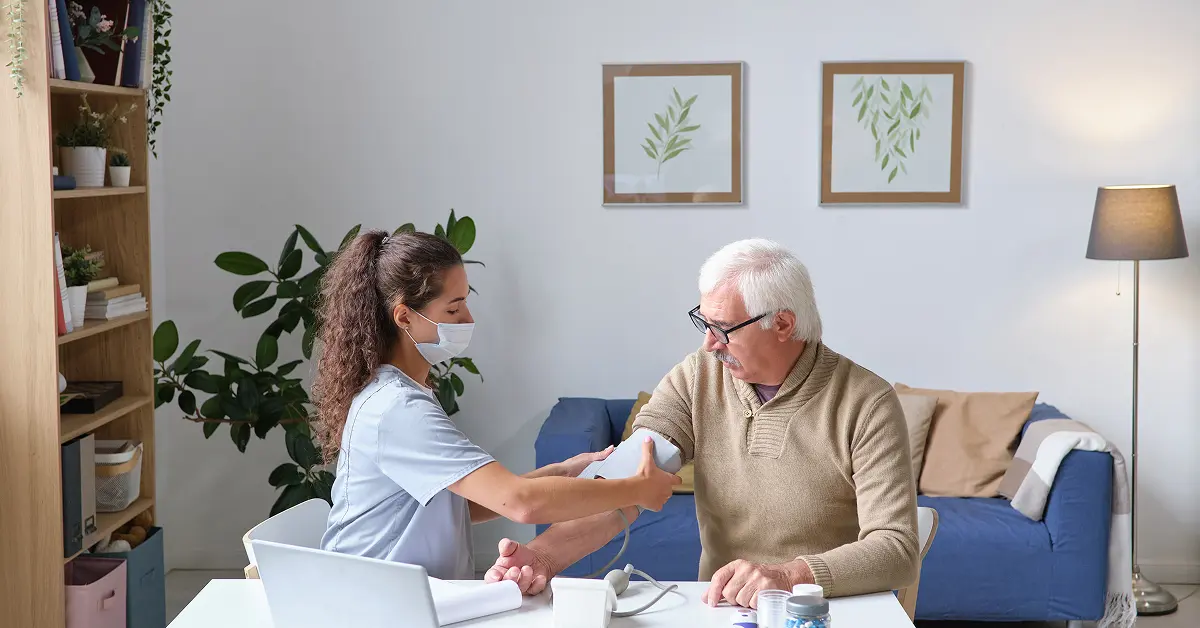
Caring for a patient at home requires more than just medical attention—it demands creating an environment that promotes healing, comfort, and safety. Among the many aspects of a home care setup, lighting is often overlooked. However, proper lighting plays a crucial role in patient recovery and overall well-being. Whether it's an elderly parent recovering from surgery, a chronic illness sufferer, or a bed-bound individual, lighting can significantly influence health outcomes and quality of life.
This blog explores the importance of proper lighting in home Patient Care especially in Indian households, and offers practical guidance to optimise lighting conditions effectively.
Enhancing Patient Safety
One of the primary concerns when caring for a patient at home is preventing falls and injuries. Poor lighting, especially in corridors, bathrooms, or at night, can lead to dangerous situations.
- Night-time trips to the washroom become risky if there is inadequate lighting.
- Dim corners, staircases, or cluttered paths can be hazardous without sufficient visibility.
- Patients with mobility issues need consistent, glare-free lighting to navigate safely.
Solution: Install motion-sensor night lights and use anti-glare bulbs with easy access to switches from the bed.
Supporting Mental and Emotional Well-being
Lighting doesn’t just affect visibility—it has a direct impact on mental health. Natural light helps regulate the body’s circadian rhythm, which influences mood, alertness, and sleep patterns.
- Natural daylight exposure can reduce depression and anxiety.
- Lack of light may lead to Seasonal Affective Disorder (SAD).
Solution: Ensure access to natural sunlight and use warm-toned lights in the evening. Reflective surfaces and light-coloured walls also help brighten the room.
Improving Sleep Quality
Proper lighting plays a crucial role in maintaining a healthy sleep-wake cycle. Excessive artificial lighting can interfere with melatonin production.
- Bright lights late in the day may cause insomnia.
- Dim lighting during the daytime can reduce alertness.
Solution: Use natural light during the day and warm dim lighting in the evening. Avoid blue-light LEDs near bedtime.
Aiding Medical Care and Monitoring
Caregivers need proper lighting to perform tasks like wound dressing, checking vitals, and administering medicines.
Solution: Install adjustable task lighting near the bed. Use focused lamps or wall-mounted lights for procedures.
Enhancing Independence and Confidence
Good lighting empowers patients to do small tasks on their own, which builds confidence and encourages activity.
- Helps in finding personal items and reading.
- Improves visibility of light switches and call buttons.
Solution: Use accessible lighting controls or smart voice-activated systems.
Supporting Visual Comfort for Aging Eyes
Elderly patients often face vision issues that demand brighter and softer lighting.
- Inadequate lighting causes eye strain and confusion.
- Sharp contrasts between light and dark should be avoided.
Solution: Use ambient lighting with warm bulbs between 2700K and 3000K and layer the lights throughout the room.
Creating a Positive Healing Environment
Lighting affects a patient’s mood, energy levels, and overall recovery. A bright, welcoming room uplifts spirits.
Solution: Use decorative lights and match lighting with daily routines—brighter during the day, softer at night.
Accounting for Different Lighting Needs
Different patients require different lighting setups. A child may need night lights while an elderly diabetic may require precise lighting.
Solution: Conduct a personalised lighting assessment with the help of medical professionals and caregivers.
Key Tips for Optimal Lighting in Home Patient Rooms
- Use layered lighting: ambient, task, and accent.
- Install dimmer switches for flexibility.
- Avoid fluorescent lighting due to flicker risks.
- Ensure there are no exposed wires or hot bulbs.
- Opt for energy-efficient LED bulbs.
- Regularly clean fixtures to maintain brightness.
Conclusion
Lighting is more than just a utility—it’s a healing tool when used correctly in home care settings. For patients confined to a room, lighting influences everything from safety to emotional wellness and recovery speed.
In Indian homes, where multi-generational care is common, it becomes even more important to plan lighting thoughtfully for elderly, post-surgery, or chronically ill patients. Small lighting adjustments can lead to big improvements in health outcomes and comfort levels.
Contents
- Enhancing Patient Safety
- Supporting Mental and Emotional Well-being
- Improving Sleep Quality
- Aiding Medical Care and Monitoring
- Enhancing Independence and Confidence
- Supporting Visual Comfort for Aging Eyes
- Creating a Positive Healing Environment
- Accounting for Different Lighting Needs
- Key Tips for Optimal Lighting in Home Patient Rooms
- Conclusion
Our 24*7 services
Latest Posts
- What Is Respite Care and Why Is It Important
- Affordable home care for senior citizens in India
- Caring for Seniors with Dementia or Alzheimer's at Home
- Senior Caregiving A Guide for Every Family
- How to Write a Caregiver Resume That Gets You Hired
- How Care After Hospital Discharge Speeds Up Recovery at Home
- How to Get Home Health Care for Seniors Through Medicare
- What Does a Senior Citizen Caregiver Really Do at Home
- How to Care for Elderly Parents with Alzheimer’s or Dementia
- How to Get 24-Hour Care for Seniors at Home