Discover how daily progress tracking by professional caregivers improves elderly care, ensures timely interventions, and enhances communication between families and healthcare providers in India.
Introduction
In India, where joint family systems are giving way to nuclear households, the role of professional caregivers in elder and Parent Caregiver is becoming more vital than ever. Families rely on trained caregivers not only for assistance with daily tasks but also for providing health updates, emotional support, and medical follow-ups. One essential component that often goes unnoticed is daily progress tracking. Regular monitoring and recording of a patient's condition help ensure consistency in care, identify issues early, and enable collaborative communication with doctors and family members.
This blog post explores the significance of daily progress tracking by professional caregivers and how it contributes to better health outcomes, especially in home care environments.
What is Daily Progress Tracking in Caregiving?
Daily progress tracking refers to the systematic recording of an individual's health, behaviour, activity levels, and emotional well-being by a caregiver. This data is documented daily, either manually in notebooks or digitally through apps or caregiver management software. These records typically include:
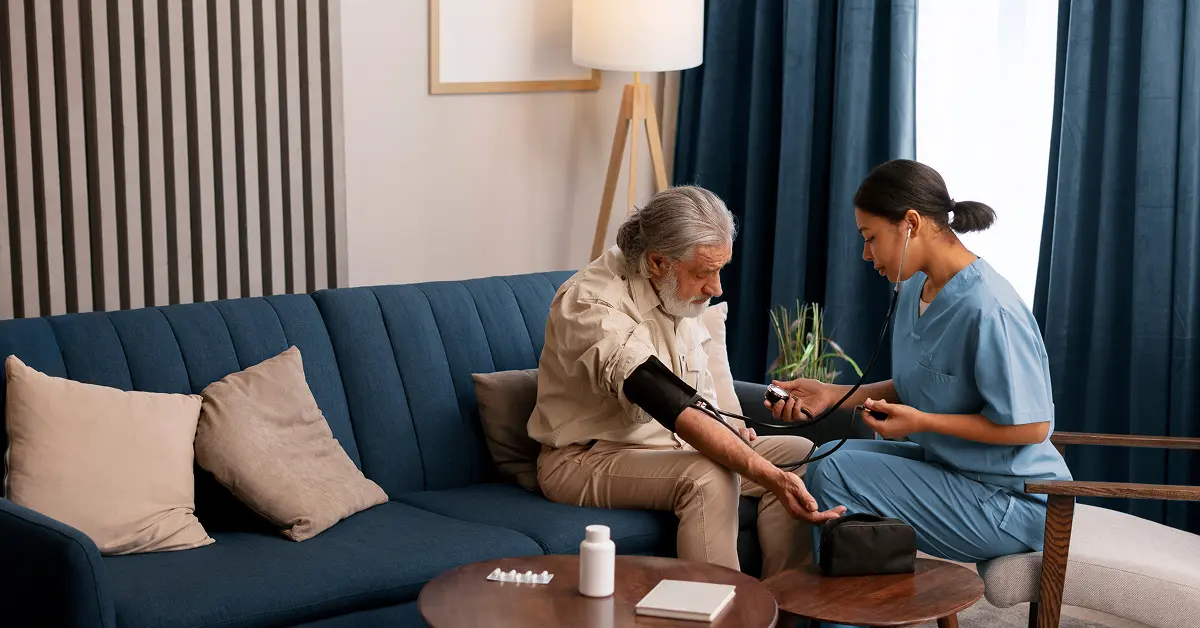
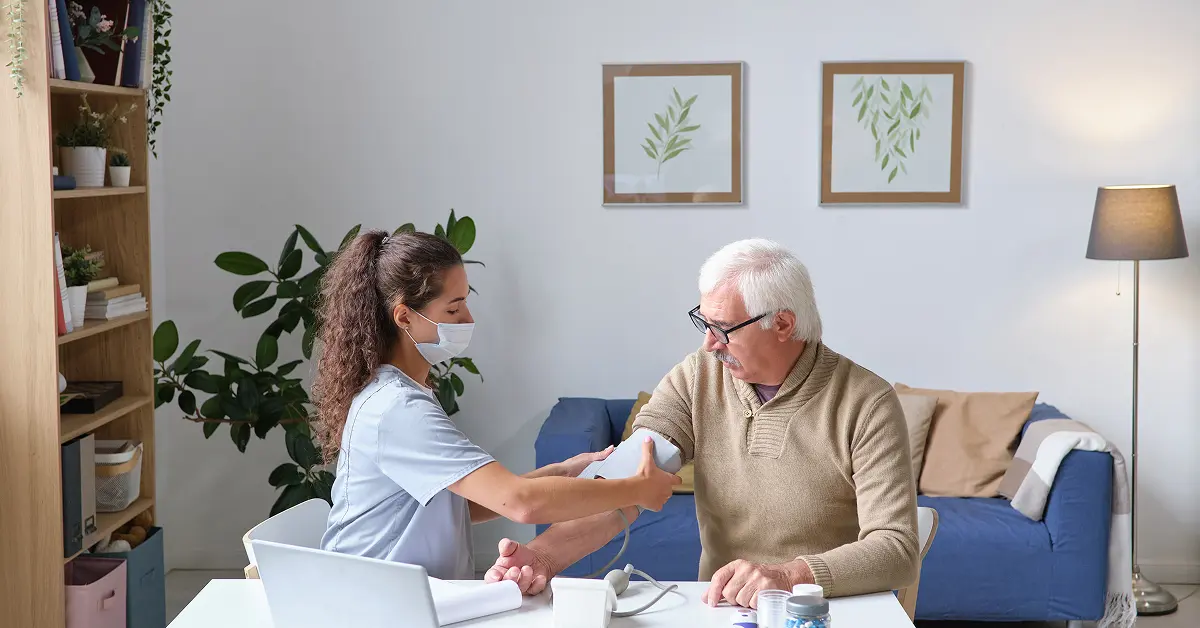
- Vital signs (blood pressure, temperature, heart rate)
- Medication administration times and reactions
- Meal intake and dietary changes
- Sleep patterns
- Bathroom habits
- Mobility or physical therapy progress
- Emotional or behavioural changes
Professional caregivers are trained to observe and note even subtle changes, ensuring a holistic approach to patient care.
Benefits of Daily Tracking for Elderly and Patient Health
a. Early Detection of Health Issues
Minor symptoms such as changes in appetite, mood, or mobility can be early indicators of larger health problems. With consistent tracking, these signs are not overlooked. Caregivers can alert family members or doctors before a minor issue escalates into a serious condition.
b. Improved Medical Consultations
Daily logs provide accurate information for doctors during routine check-ups or emergency consultations. Instead of relying on memory, families and physicians can refer to documented records, leading to faster and more accurate diagnosis and treatment plans.
c. Medication Management
In India, where polypharmacy (use of multiple medications) is common among elders, the risk of missed doses or incorrect medication intake is high. Daily tracking ensures timely medication administration, monitors side effects, and checks adherence to prescription schedules.
Enhancing Communication with Families
Caregivers often become the bridge between the patient and the family. In situations where adult children are working professionals or live in different cities or countries, staying updated on a loved one’s health is challenging. Daily reports—whether shared via WhatsApp, email, or mobile apps—keep family members informed and reassured.
For example, a son working in Bengaluru may not be able to visit his mother in Chennai regularly, but through daily progress updates from the caregiver, he remains aware of her recovery after surgery, any changes in her diet, or how well she is sleeping.
Helps in Customising Care Plans
Every individual’s healthcare needs are different. What works for one person might not be effective for another. By reviewing daily logs, care coordinators or doctors can assess what’s working and what needs to be changed. For example:
- If an elder is constantly feeling tired after a new medicine is introduced, the doctor may change the dosage or switch the drug.
- If physical therapy isn’t showing expected results, the physiotherapist can tweak the exercises based on tracked data.
This continuous feedback loop ensures personalised, responsive care.
Improving Caregiver Accountability and Training
Professional caregiving agencies in India are now expected to provide trained staff who follow protocols and maintain transparency. Daily tracking plays a key role in:
- Monitoring caregiver performance
- Ensuring they follow doctor instructions
- Helping them learn from daily trends
For agencies, maintaining a daily log is proof of service and professionalism. It also becomes a tool for evaluating and training caregivers better.
Using Technology for Smarter Tracking
Thanks to digital tools and mobile applications, daily tracking has become easier and more efficient. Some popular features in caregiver apps include:
- Digital charts and graphs showing progress
- Reminders for medicines and vitals
- Real-time sharing with family members
- Automated alerts for unusual changes (like skipped meals or elevated temperature)
These tech-enabled solutions make it possible to standardise care and reduce human errors. In metro cities like Mumbai, Delhi, and Hyderabad, families increasingly prefer home care services that offer digital progress reports.
Cultural Context in India
In Indian households, caregiving is often emotional and deeply personal. But professional caregiving adds a clinical and systematic dimension to care. Families are gradually understanding the importance of professional methods like progress tracking.
Especially in elder care, where age-related conditions like dementia, diabetes, and arthritis require constant monitoring, having a daily log helps keep track of disease progression and overall well-being.
For example, in a household in Pune, a caregiver might record that an elderly patient with Alzheimer’s is becoming more disoriented in the evenings. This observation, tracked over days, can help doctors suggest strategies like modifying lighting or meal times to manage symptoms.
Support During Emergencies
When emergencies arise—like a fall, sudden fever, or breathing difficulty—the daily log provides a ready reference for paramedics or emergency doctors. It can help answer questions such as:
- Was there a drop in oxygen levels recently?
- Has the patient been skipping meals?
- Were there any signs of infection?
Timely access to such data can be life-saving and reduce panic during critical moments.
Conclusion
Daily progress tracking by professional caregivers is not just a task—it’s a cornerstone of effective and compassionate caregiving. It ensures timely action, strengthens doctor-patient communication, and brings peace of mind to families. As India continues to witness an ageing population and rising healthcare needs, embracing systematic tracking practices in home care is more important than ever.
Whether caring for a recovering patient in Coimbatore or an ageing parent in Kolkata, professional caregivers equipped with tracking skills play a vital role in improving lives—one entry at a time.
Contents
- Introduction
- What is Daily Progress Tracking in Caregiving?
- Benefits of Daily Tracking for Elderly and Patient Health
- Enhancing Communication with Families
- Helps in Customising Care Plans
- Improving Caregiver Accountability and Training
- Using Technology for Smarter Tracking
- Cultural Context in India
- Support During Emergencies
- Conclusion
Our 24*7 services
Latest Posts
- What Is Respite Care and Why Is It Important
- Affordable home care for senior citizens in India
- Caring for Seniors with Dementia or Alzheimer's at Home
- Senior Caregiving A Guide for Every Family
- How to Write a Caregiver Resume That Gets You Hired
- How Care After Hospital Discharge Speeds Up Recovery at Home
- How to Get Home Health Care for Seniors Through Medicare
- What Does a Senior Citizen Caregiver Really Do at Home
- How to Care for Elderly Parents with Alzheimer’s or Dementia
- How to Get 24-Hour Care for Seniors at Home