As our population ages, the importance of professional Elderly Care Services continues to grow. In India, with changing family structures and increasing urban migration, many seniors live without daily support from younger family members. Trained caregivers, therefore, play a crucial role not just in providing physical assistance but also in monitoring and maintaining the emotional health of our elders. One key aspect of elder care is recognising subtle mood changes early—before they escalate into serious mental health issues.
Why Mood Monitoring in Seniors Is Crucial
Ageing can come with many emotional challenges—loneliness, health deterioration, bereavement, or even dementia. These factors can lead to anxiety, depression, or mood swings if not addressed in time. In India, mental health in seniors is still a taboo subject, often overlooked or brushed aside as “normal” behaviour with ageing. However, mood disorders can greatly affect a senior’s quality of life.
This is where trained caregivers make a difference. Equipped with knowledge and sensitivity, they are trained to detect the earliest behavioural cues that signal emotional distress. Early identification allows families and doctors to intervene at the right time, preventing further complications.
Training That Makes a Difference
Professional caregiving institutions in India now offer comprehensive training that goes beyond physical care. These programs cover topics like:
- Basics of geriatric psychology
- Recognising symptoms of depression and anxiety
- Non-verbal communication skills
- Building emotional rapport with seniors
- Emergency response and reporting mechanisms
Such training empowers caregivers to be proactive rather than reactive, helping them catch warning signs of mood shifts even when seniors don’t express them verbally.
Key Indicators Caregivers Watch For
Experienced caregivers are observant. They understand that mood changes in the elderly can be subtle and are often expressed through behaviour, rather than words. Some key signs include:
Changes in Daily Routine
If a senior suddenly avoids activities they previously enjoyed, sleeps too much or too little, or shows reluctance to eat, these could be early signs of depression.
Social Withdrawal
Caregivers notice when a senior who was once talkative and social begins avoiding conversations, skipping social events, or remaining quiet for long periods.
Increased Irritability or Aggression
Mood disorders in seniors sometimes manifest as irritability, sharp mood swings, or uncharacteristic anger—especially in cases of early-stage dementia or Alzheimer’s.
Memory and Concentration Issues
Though mild forgetfulness is common with age, significant lapses in memory or focus can indicate emotional distress, anxiety, or cognitive decline.
Physical Complaints with No Medical Cause
Unexplained headaches, fatigue, or digestive issues can sometimes be rooted in psychological stress or depression.
Building Trust with Seniors
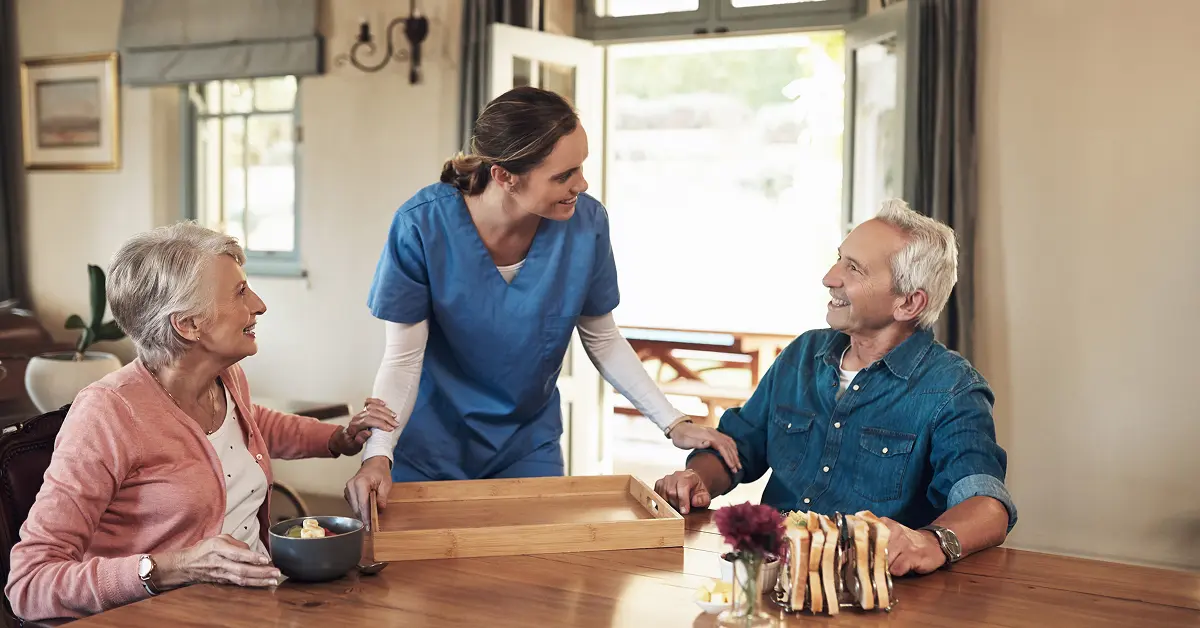
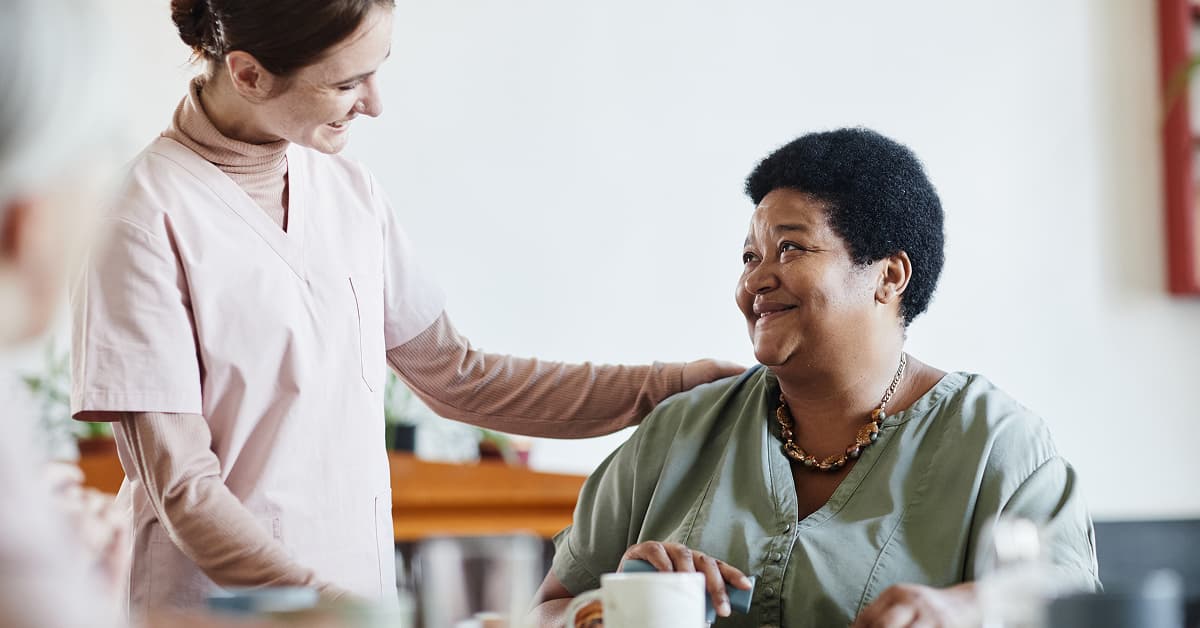
One of the most important tools caregivers use is building a trusting relationship. Seniors may not always open up to family, but they often confide in caregivers who are non-judgmental, patient, and consistent. A good caregiver ensures the elderly feel seen, heard, and valued every day.
For example, daily conversations, laughter, playing games, or storytelling can create emotional bonds that allow caregivers to better assess emotional health. A sudden shift in mood during such activities is a red flag.
When to Raise the Alarm
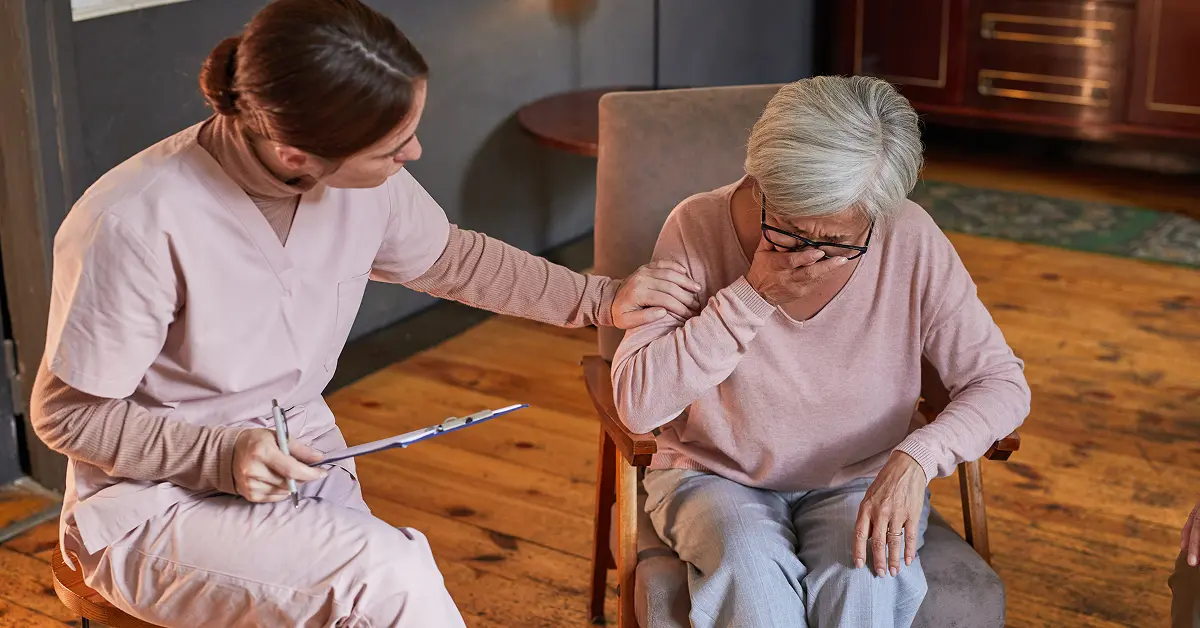
Trained caregivers are also taught when to escalate an issue. If a caregiver notices a persistent low mood for over two weeks, suicidal talk, severe confusion, or hallucinations, they know it’s time to alert the family and consult a doctor or mental health expert immediately.
Technology + Human Touch
Some modern caregiving services in India now integrate health monitoring technology with caregiver reports. Digital tools like mood-tracking apps or wearable health devices help support the caregiver’s observations with real data.
For instance, a senior’s sleeping pattern or physical activity data synced with a caregiver’s notes can provide doctors with a more comprehensive view, leading to better diagnosis and care planning.
Why Indian Families Must Support Caregiver Observations
In many Indian households, caregivers are often seen only as helpers rather than trained professionals. Families must change this outlook and give importance to their mental health observations. Caregivers are often the first to notice distress, especially when seniors don’t want to burden their children with their feelings.
Supporting caregivers, acknowledging their feedback, and working as a team helps prevent mood disorders from turning into major health crises.
Conclusion: Caring for the Mind, Not Just the Body
The role of a caregiver today goes beyond just assisting with meals or medicines. They are frontline emotional health monitors for our elders. With India’s senior population expected to reach over 300 million by 2050, the demand for skilled, empathetic, and emotionally aware caregivers will only rise.
Families must ensure they hire trained caregivers who understand mental well-being and empower them to voice concerns. By doing so, we can give our seniors not just a longer life, but a happier and emotionally fulfilling one too.
Contents
Our 24*7 services
Latest Posts
- What Is Respite Care and Why Is It Important
- Affordable home care for senior citizens in India
- Caring for Seniors with Dementia or Alzheimer's at Home
- Senior Caregiving A Guide for Every Family
- How to Write a Caregiver Resume That Gets You Hired
- How Care After Hospital Discharge Speeds Up Recovery at Home
- How to Get Home Health Care for Seniors Through Medicare
- What Does a Senior Citizen Caregiver Really Do at Home
- How to Care for Elderly Parents with Alzheimer’s or Dementia
- How to Get 24-Hour Care for Seniors at Home