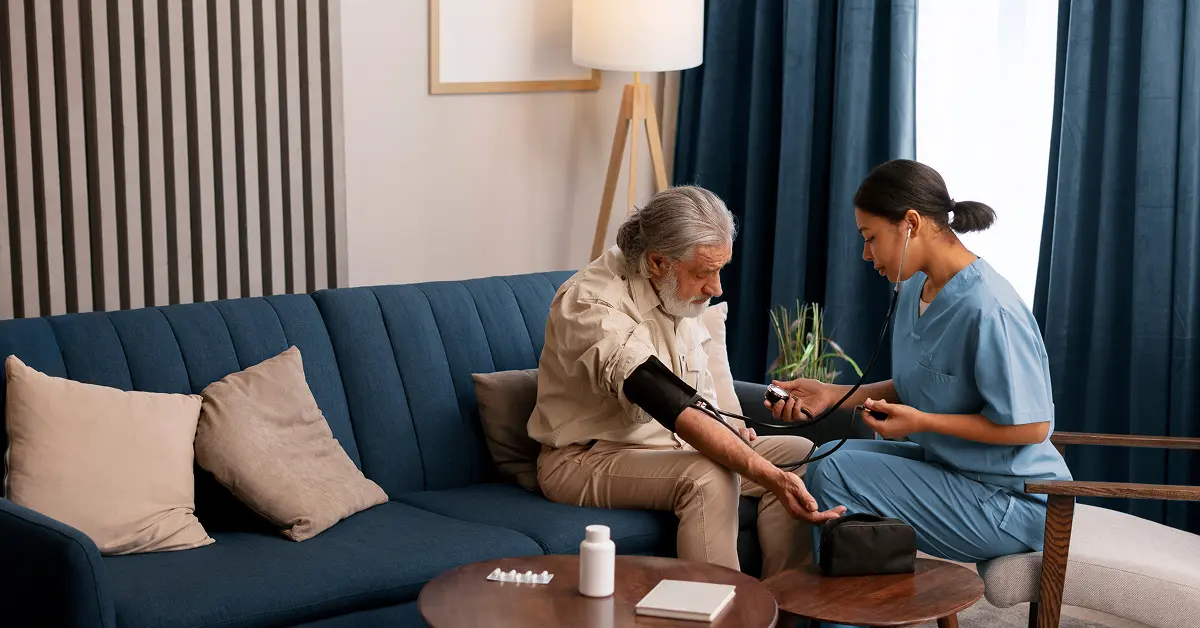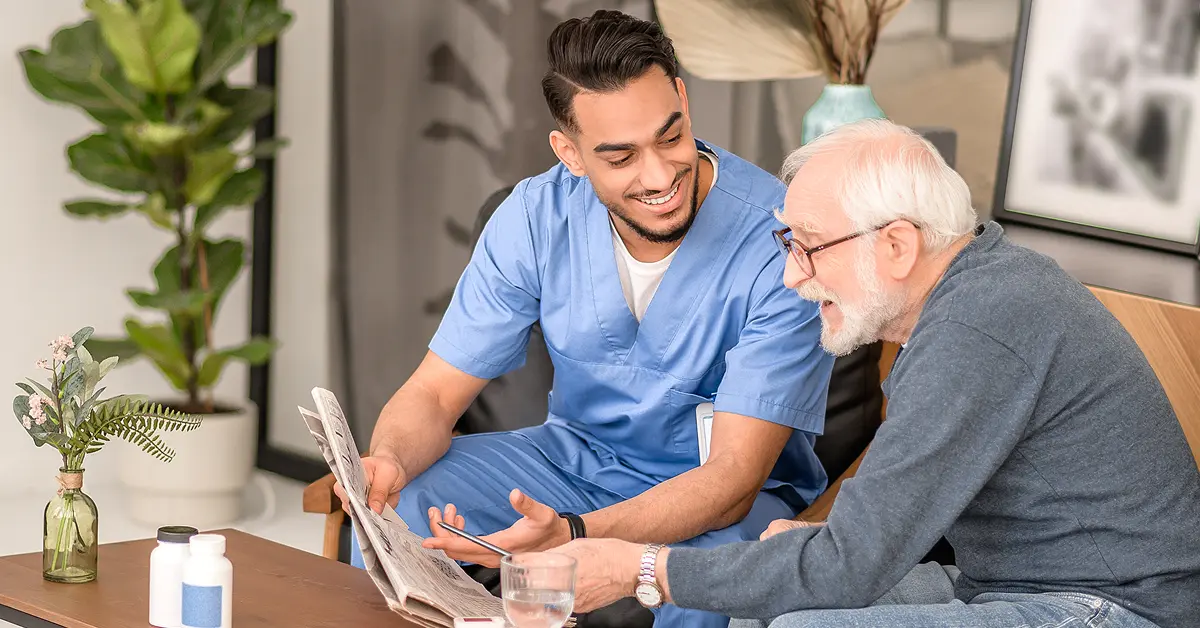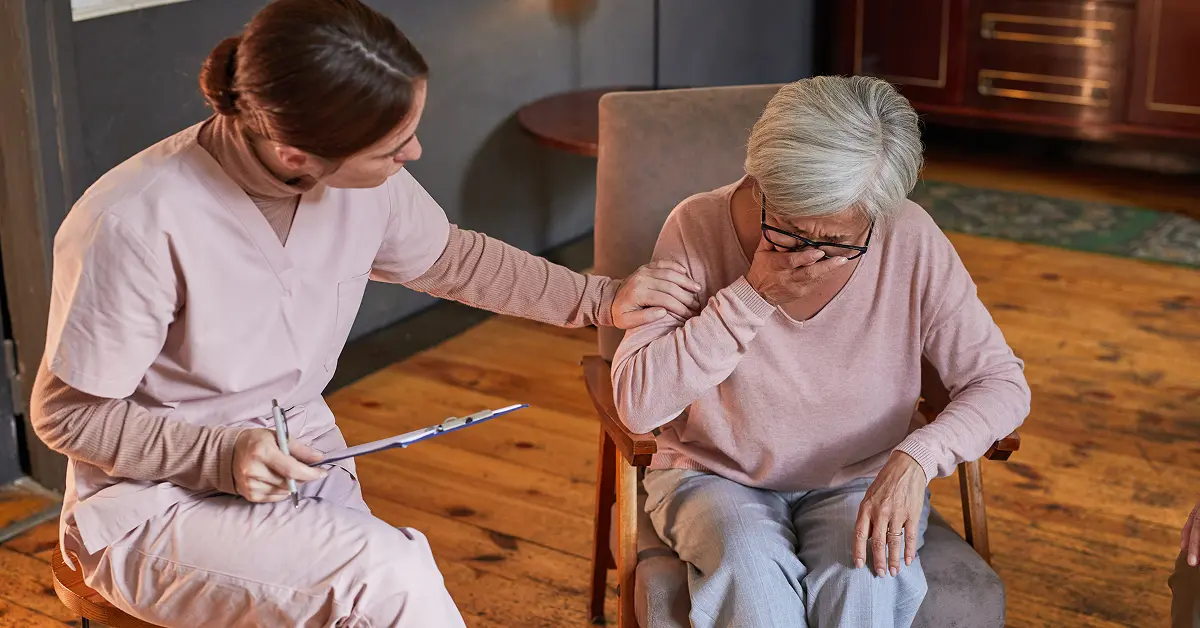
Caring for elderly family members at home is a heartfelt responsibility in Indian households. Whether you’re looking after aging parents or grandparents, managing their daily care needs requires patience, planning, and practical support. With India’s growing elderly population, many families are now choosing in-home care over institutional care to provide comfort, familiarity, and emotional well-being to seniors.
In this blog post, we’ll walk you through essential tips to manage daily Elderly Care Services needs effectively at home. From personal hygiene and nutrition to medical supervision and mental wellness, we’ll help you build a routine that ensures your loved one’s safety, dignity, and happiness.
Understand the Elderly’s Daily Needs
Before creating a care plan, assess your senior’s physical and emotional requirements. Every elder is different—some may be mobile and independent, while others may need full-time assistance due to health conditions like arthritis, dementia, or stroke recovery.
Key Daily Needs Include:
- Personal hygiene (bathing, grooming, dressing)
- Nutrition and meals (regular, healthy diet)
- Medication management
- Physical mobility and exercise
- Mental stimulation
- Emotional support and companionship
- Medical checkups and emergencies
Create a Daily Care Schedule
A structured schedule helps bring consistency to your elderly loved one’s life. Set specific times for meals, medication, bathing, rest, and activities.
Sample Daily Schedule:
- 7:00 AM – Wake up, freshen up
- 7:30 AM – Light exercise or morning walk
- 8:00 AM – Breakfast and medication
- 9:00 AM – Reading, prayer, or watching TV
- 12:30 PM – Lunch
- 1:30 PM – Afternoon nap
- 4:00 PM – Tea and light snack
- 6:00 PM – Evening walk or music
- 8:00 PM – Dinner
- 9:00 PM – Bedtime preparation
Ensure Proper Nutrition and Hydration
With age, appetite may decrease and dietary restrictions may increase. Prepare balanced meals rich in proteins, fiber, calcium, and essential vitamins.
Tips for Elderly Nutrition:
- Serve soft, easy-to-digest foods
- Avoid excess salt and sugar
- Include seasonal fruits and vegetables
- Ensure adequate hydration – water, soups, herbal teas
- Consider nutritional supplements if prescribed
Monitor Medication and Health Parameters
Elderly people often have multiple prescriptions. Missing doses or taking the wrong medicine can lead to serious consequences.
Medication Management Tips:
- Use pill organizers
- Set reminders on mobile phones
- Maintain a medication chart
- Keep an updated list of emergency contacts
- Schedule monthly checkups with the family doctor
Maintain Hygiene and Personal Grooming
Personal hygiene can be challenging for elders with mobility issues. Neglecting it can lead to infections, bedsores, or skin problems.
Hygiene Checklist:
- Assist with daily baths or sponge cleaning
- Ensure clean clothing and undergarments
- Trim nails and hair regularly
- Monitor oral hygiene
- Keep the toilet area clean and slip-free
Make the Home Elder-Friendly
A safe environment plays a vital role in daily elderly care. Indian homes, especially traditional ones, may need adjustments to support aging members.
Home Safety Enhancements:
- Remove loose rugs or clutter
- Use night lights in hallways
- Ensure flat flooring with no steps
- Keep frequently used items within reach
- Add handrails on stairs and bathrooms
- Consider a hospital bed or recliner if required
Encourage Physical Activity and Mobility
Regular movement keeps joints flexible and muscles strong. It also improves mood and reduces the risk of chronic illnesses.
Safe Exercises for Seniors:
- Gentle yoga or pranayama
- Seated stretches
- Slow walks in the garden or terrace
- Light resistance exercises (under supervision)
Support Mental and Emotional Health
Isolation, boredom, and cognitive decline can affect emotional health in elderly people. Keep them engaged and socially active.
Activities to Improve Mental Well-being:
- Talk to them regularly
- Involve them in family discussions and festivals
- Encourage hobbies like reading, gardening, knitting
- Play board games or devotional music
- Organise video calls with relatives
Get Professional Help When Needed
Even the most loving family member may find it difficult to manage everything alone. Hiring trained caregivers can ease the burden and provide expert care.
Services You Can Consider:
- Full-time or part-time caregivers
- Home nursing services
- Physiotherapy at home
- Elder care agencies
- Geriatric care managers
Take Care of Yourself Too
Caring for elders can be physically and emotionally draining. Don’t ignore your own health. Caregiver burnout is real.
Caregiver Self-care Tips:
- Take regular breaks
- Join a caregiver support group
- Delegate tasks to siblings or relatives
- Schedule some me-time every day
- Don’t hesitate to seek professional guidance
Final Thoughts
Managing daily elderly care at home in India may seem challenging at first, but with the right planning and support, it can be a deeply rewarding experience. A combination of love, routine, healthcare, and companionship can help your aging parents or grandparents live with dignity and peace.
Contents
- Understand the Elderly’s Daily Needs
- Create a Daily Care Schedule
- Ensure Proper Nutrition and Hydration
- Monitor Medication and Health Parameters
- Maintain Hygiene and Personal Grooming
- Make the Home Elder-Friendly
- Encourage Physical Activity and Mobility
- Support Mental and Emotional Health
- Get Professional Help When Needed
- Take Care of Yourself Too
- Final Thoughts
Our 24*7 services
Latest Posts
- What Is Respite Care and Why Is It Important
- Affordable home care for senior citizens in India
- Caring for Seniors with Dementia or Alzheimer's at Home
- Senior Caregiving A Guide for Every Family
- How to Write a Caregiver Resume That Gets You Hired
- How Care After Hospital Discharge Speeds Up Recovery at Home
- How to Get Home Health Care for Seniors Through Medicare
- What Does a Senior Citizen Caregiver Really Do at Home
- How to Care for Elderly Parents with Alzheimer’s or Dementia
- How to Get 24-Hour Care for Seniors at Home