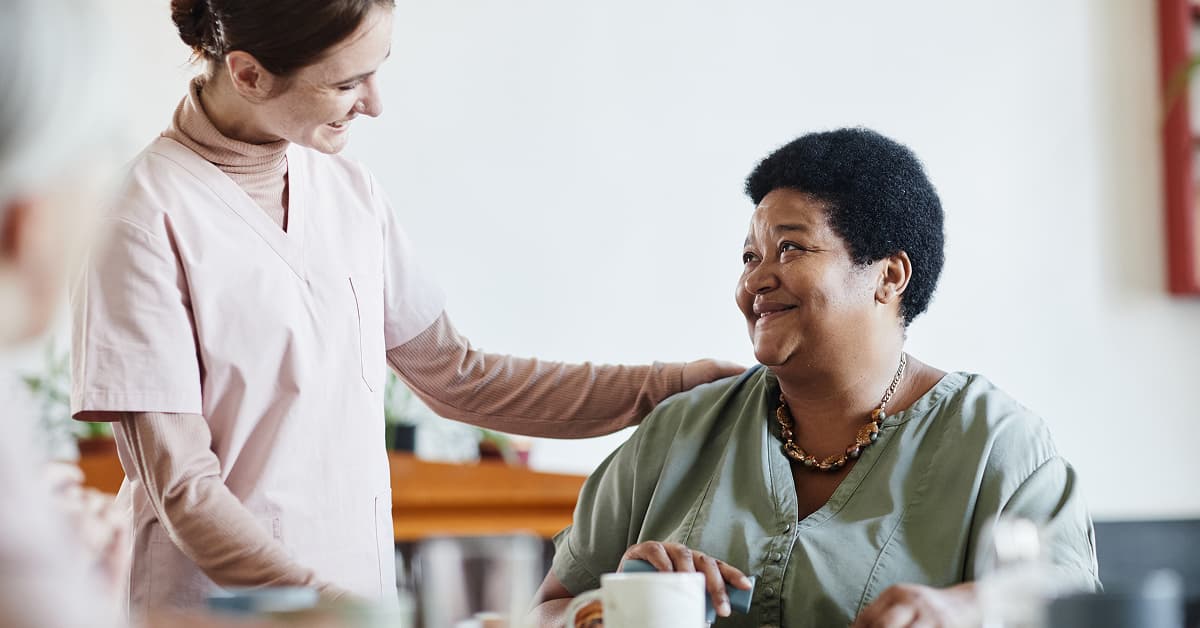
As individuals age, their dietary needs shift significantly, making proper meal preparation a crucial component of elderly care. From changing appetites to managing chronic health conditions, senior nutrition requires thoughtful planning and execution. In India, where family caregiving is common and dietary traditions are strong, adjusting meal preparation for older adults involves blending nutritional science with cultural habits. This blog explores how meal preparation changes for Senior Care Services needs and offers practical tips for caregivers and families.
Why Nutrition Becomes More Important with Age
Nutrition plays a critical role in promoting longevity, boosting immunity, and managing age-related illnesses such as diabetes, hypertension, arthritis, and heart disease. However, ageing brings physical and physiological changes that can affect nutrition:
- Slower metabolism reduces caloric needs but not nutritional requirements.
- Loss of appetite or changes in taste and smell may lead to under-eating.
- Chewing or swallowing difficulties may require softer food textures.
- Chronic diseases may necessitate dietary restrictions (e.g., low-sodium or sugar-free diets).
- Dehydration risks increase due to reduced thirst sensation.
All these factors mean that meal preparation for seniors must go beyond simply cooking—it must align with health goals and daily capabilities.
Key Changes in Meal Preparation for Seniors
Nutrient-Dense Foods Over Calorie-Dense Foods
Caregivers should prioritise:
- Whole grains (brown rice, oats, ragi)
- Seasonal fruits and vegetables
- Lean proteins (dal, paneer, eggs, fish)
- Healthy fats (mustard oil, ghee in moderation, nuts)
- Calcium-rich foods (milk, curd, sesame seeds)
Smaller, More Frequent Meals
Seniors may struggle to finish large meals, so it's advisable to break food into 4–6 smaller meals a day. This helps maintain energy levels and supports digestive health.
Low-Sodium and Low-Sugar Preparations
- Use rock salt or Himalayan salt in moderation.
- Replace sugar with jaggery, stevia, or fruits like dates when possible.
- Avoid pickles, fried snacks, and sugary sweets.
Texture and Consistency Adjustments
If chewing becomes difficult due to dental issues or dentures, soft or semi-solid foods are best:
- Mashed vegetables and khichdi
- Dalia or oats with milk
- Steamed idlis or soft rotis soaked in curry
- Blended soups and smoothies
Hydration-Focused Meals
Older adults often forget to drink water. Caregivers can incorporate hydration in meals:
- Serve vegetable soups, lassi, coconut water, and herbal teas.
- Add water-rich foods like watermelon, cucumber, and bottle gourd.
Safety and Accessibility in Meal Preparation
Senior meal planning also includes ensuring safety in preparation and consumption:
- Avoid hard, sticky, or choking-risk foods.
- Use non-slip bowls, easy-grip spoons, and lightweight utensils.
- Pre-cut fruits and vegetables or cook in advance to avoid fatigue.
- Prepare weekly meal plans and freeze portions for convenience.
Cultural Relevance in Indian Senior Meals
Caregivers must balance traditional preferences with health-conscious choices:
- Replace deep-fried poori with phulka.
- Opt for steamed dhokla instead of oily snacks.
- Prepare homemade sweets with jaggery during festivals.
Special Considerations Based on Health Conditions
Diabetes
- Focus on low-GI foods like barley, whole wheat, and green vegetables.
- Avoid sugary desserts, refined flour, and fruit juices.
- Use fenugreek seeds, cinnamon, and bitter gourd for blood sugar control.
Hypertension
- Limit salt intake.
- Avoid pickles, papads, and processed food.
- Incorporate potassium-rich foods like bananas, spinach, and potatoes.
Arthritis or Bone Issues
- Increase calcium and vitamin D intake through dairy, sesame seeds, and sunlight exposure.
- Include anti-inflammatory foods like turmeric, ginger, and flax seeds.
Digestive Issues
- Use easily digestible foods like curd rice, khichdi, and boiled vegetables.
- Reduce spicy, oily, and fibrous raw vegetables.
Tips for Caregivers Preparing Meals
- Involve seniors in planning.
- Stick to meal routines.
- Use visual cues and labels.
- Track dietary intake.
- Serve meals with dignity and warmth.
Sample Day Meal Plan for a Senior in India
- Early Morning (6:30–7:00 AM): Warm water with lemon or methi seeds, soaked almond and walnut
- Breakfast (8:00 AM): Vegetable upma or moong dal chilla, 1 cup tea with low-fat milk
- Mid-Morning (10:30 AM): Papaya or banana, coconut water
- Lunch (1:00 PM): Dal, phulka with ghee, lauki sabzi, curd
- Evening Snack (4:30 PM): Roasted makhana or murmura, herbal tea
- Dinner (7:30 PM): Khichdi with vegetables, beetroot raita, warm milk with turmeric
Conclusion
Meal preparation for seniors is not just about cooking food—it’s about nourishing their health, supporting their independence, and offering care through every bite. From adapting textures to aligning meals with medical conditions, each change reflects the evolving needs of ageing bodies. In India, caregivers can leverage both traditional wisdom and modern nutritional science to ensure seniors eat well and live well.
By taking a personalised and respectful approach to food planning, families and caregivers can greatly improve the quality of life for their elderly loved ones.
Contents
- Why Nutrition Becomes More Important with Age
- Key Changes in Meal Preparation for Seniors
- Safety and Accessibility in Meal Preparation
- Cultural Relevance in Indian Senior Meals
- Special Considerations Based on Health Conditions
- Tips for Caregivers Preparing Meals
- Sample Day Meal Plan for a Senior in India
- Conclusion
Our 24*7 services
Latest Posts
- What Is Respite Care and Why Is It Important
- Affordable home care for senior citizens in India
- Caring for Seniors with Dementia or Alzheimer's at Home
- Senior Caregiving A Guide for Every Family
- How to Write a Caregiver Resume That Gets You Hired
- How Care After Hospital Discharge Speeds Up Recovery at Home
- How to Get Home Health Care for Seniors Through Medicare
- What Does a Senior Citizen Caregiver Really Do at Home
- How to Care for Elderly Parents with Alzheimer’s or Dementia
- How to Get 24-Hour Care for Seniors at Home