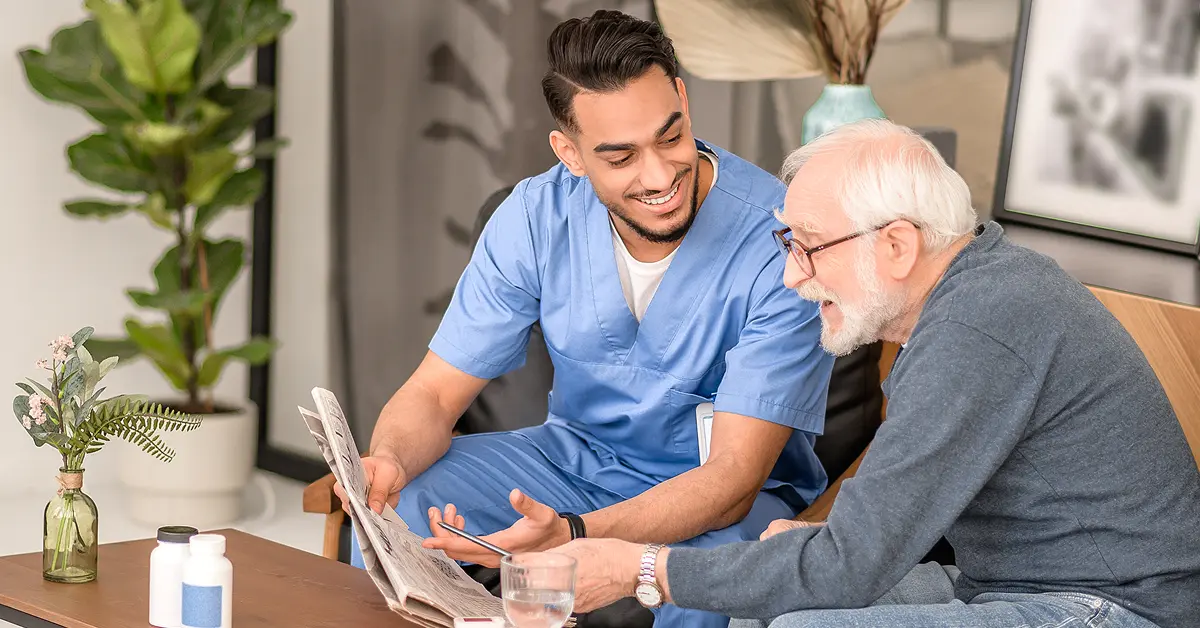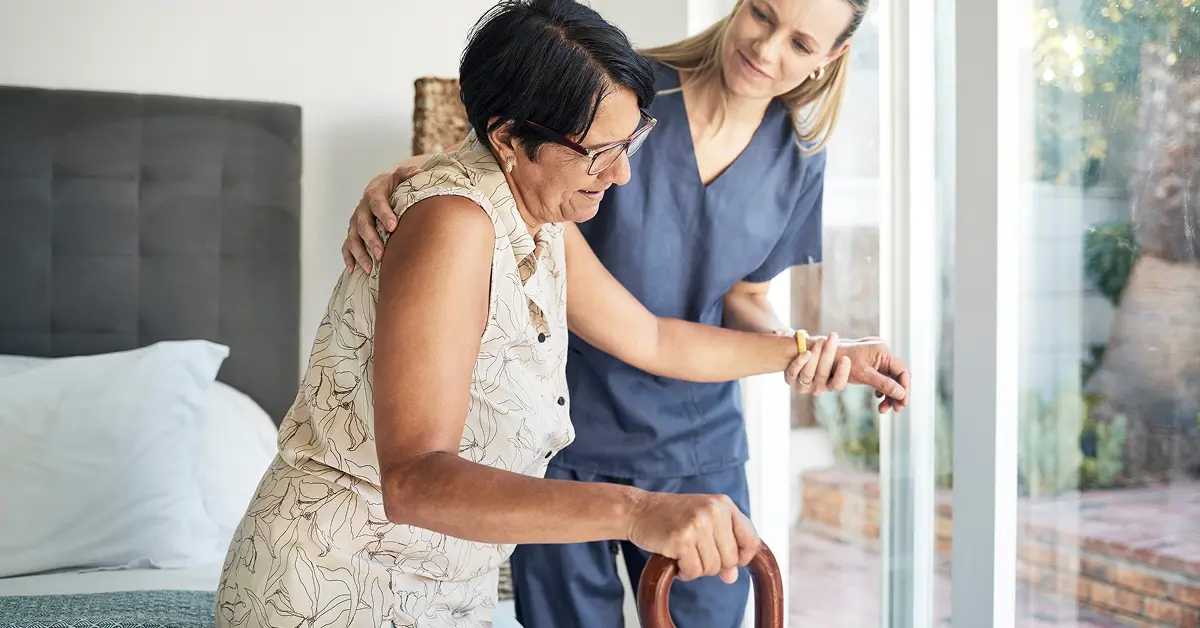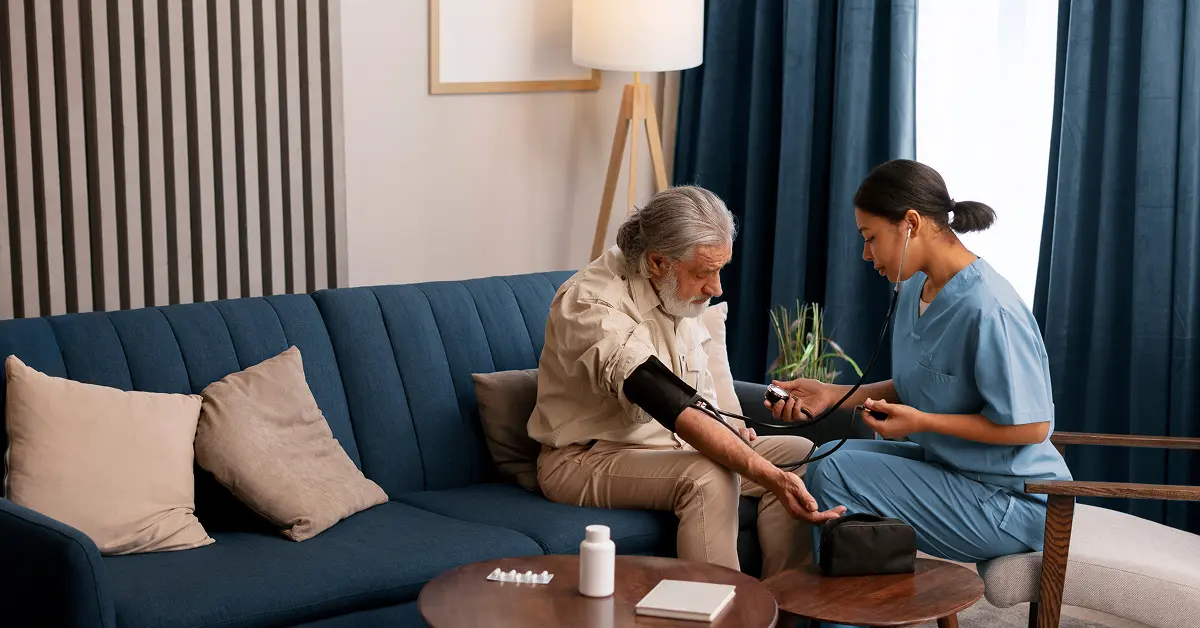
Managing oxygen therapy at home can be life-changing for patients dealing with respiratory illnesses like COPD, asthma, pneumonia, or post-COVID complications. In India, the demand for home healthcare services has surged due to the convenience, safety, and personalized attention they provide. Oxygen therapy, once confined to hospital settings, is now effectively managed at home by professional Patient Care But how is this complex therapy handled safely outside the hospital?
This blog explores how trained home care providers manage oxygen therapy at home, ensuring patients receive uninterrupted, safe, and effective respiratory support.
Understanding Oxygen Therapy at Home
Oxygen therapy is prescribed when a patient’s blood oxygen levels fall below the normal range. Conditions like chronic obstructive pulmonary disease (COPD), interstitial lung disease, COVID-19 after-effects, heart failure, and severe asthma often require long-term oxygen supplementation.
Administering oxygen at home involves medical equipment like oxygen concentrators, cylinders, nasal cannulas, and oxygen masks. Home healthcare professionals are trained to monitor oxygen levels and adjust the therapy as per the doctor's instructions.
Initial Home Assessment
Before starting oxygen therapy at home, patient care services perform a thorough in-home assessment. This includes:
- Evaluating the patient's medical history and oxygen prescription.
- Checking the home’s electrical setup and ventilation for safe equipment use.
- Identifying a suitable and safe area for placing the oxygen equipment.
- Ensuring family members understand the setup and emergency protocols.
Providing and Installing the Right Equipment
Home oxygen therapy involves a variety of equipment depending on the patient's condition:
- Oxygen Concentrators: Common for long-term use, these machines extract oxygen from ambient air.
- Oxygen Cylinders: Ideal for backup or portable use.
- Nasal Cannulas or Face Masks: Used for oxygen delivery.
- Pulse Oximeters: For continuous oxygen saturation monitoring.
- Humidifiers: To moisten the oxygen and prevent nasal dryness.
Patient care service providers ensure the equipment is delivered on time, installed correctly, maintained regularly, and replaced when needed.
Caregiver and Family Training
Caregivers and family members are trained in:
- Operating the oxygen equipment.
- Using and reading pulse oximeters.
- Adjusting oxygen flow rates as prescribed.
- Emergency procedures during power failure or equipment issues.
- Maintaining hygiene by cleaning masks and cannulas regularly.
Monitoring and Reporting
Continuous monitoring ensures the effectiveness of oxygen therapy. Patient care services provide:
- Regular checks of oxygen levels and vital signs.
- Telemedicine support for remote doctor consultations.
- Maintenance of detailed patient logs.
- Emergency escalation protocols if saturation drops dangerously.
Safety Protocols
Safety is a top priority during home oxygen therapy:
- Strict no-smoking rules in the therapy area.
- Proper ventilation to avoid oxygen buildup.
- Distance from fire or heat sources.
- Power backup systems for uninterrupted use.
- Regular inspections for leaks or malfunctions.
Customised Therapy Plans
Every patient has a different requirement. Home care teams work with doctors to create a personalised plan that includes:
- Oxygen flow rate and duration.
- Day vs. night oxygen usage differences.
- Reassessment intervals for tapering or modification.
24/7 Emergency Support
In case of emergency, providers ensure:
- Immediate access to a nurse or paramedic.
- Ambulance services when hospital care is needed.
- Doctor availability via phone or video call.
- Fast replacement or repair of faulty equipment.
Psychological and Emotional Support
Long-term oxygen use can affect mental health. Caregivers help by:
- Providing emotional comfort and conversation.
- Promoting light activities and breathing exercises.
- Offering counselling support for patient and family.
Cost Management and Insurance Support
Managing costs is important for many Indian families. Home care services offer:
- Rental options for oxygen machines and cylinders.
- Hourly, daily or monthly care packages.
- Insurance assistance and documentation support.
- Guidance on using government or CSR health schemes.
Conclusion
Managing oxygen therapy at home is a coordinated effort involving trained staff, advanced medical equipment, safety protocols, and emotional care. With the growing popularity of home-based care in India, professional services are ensuring patients get the respiratory support they need without hospital admission. Their ability to offer personalised, safe, and round-the-clock care makes them an essential part of modern healthcare delivery.
If your loved one needs oxygen therapy, consult a reliable home care provider to support their journey to recovery in the comfort of home.
Contents
- Understanding Oxygen Therapy at Home
- Initial Home Assessment
- Providing and Installing the Right Equipment
- Caregiver and Family Training
- Monitoring and Reporting
- Safety Protocols
- Customised Therapy Plans
- 24/7 Emergency Support
- Psychological and Emotional Support
- Cost Management and Insurance Support
- Conclusion
Our 24*7 services
Latest Posts
- What Is Respite Care and Why Is It Important
- Affordable home care for senior citizens in India
- Caring for Seniors with Dementia or Alzheimer's at Home
- Senior Caregiving A Guide for Every Family
- How to Write a Caregiver Resume That Gets You Hired
- How Care After Hospital Discharge Speeds Up Recovery at Home
- How to Get Home Health Care for Seniors Through Medicare
- What Does a Senior Citizen Caregiver Really Do at Home
- How to Care for Elderly Parents with Alzheimer’s or Dementia
- How to Get 24-Hour Care for Seniors at Home