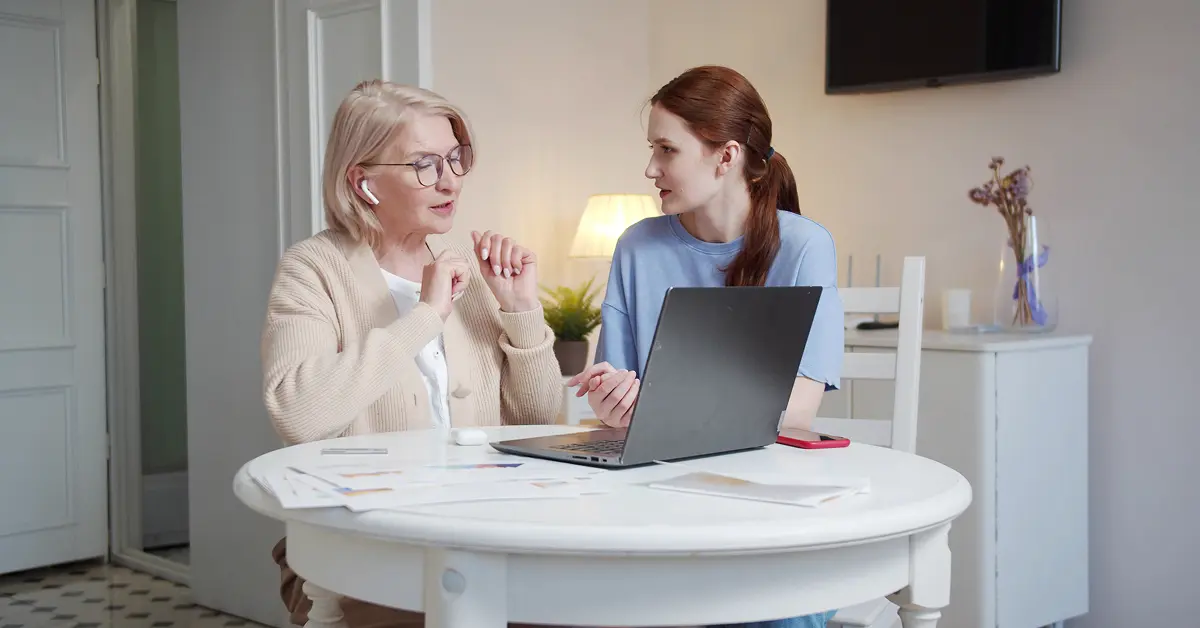
Mobility plays a crucial role in the independence and overall well-being of ageing parents. As individuals grow older, physical challenges such as arthritis, muscle weakness, or balance issues can hinder daily movement. In India, where families often provide multigenerational care, professional caregivers have become an essential support system. These trained individuals not only assist with physical mobility but also help ageing parents maintain a sense of autonomy, dignity, and safety.
In this blog post, we explore the various ways caregivers contribute to improving and maintaining daily mobility for ageing Parent Caregiver
Understanding Individual Mobility Needs
Each ageing parent has unique mobility needs based on their health condition, age, and physical strength. A professional caregiver begins with an initial assessment, often in consultation with a physiotherapist or doctor. This assessment includes:
- Evaluating balance and coordination
- Identifying joint pain, arthritis, or neurological issues
- Understanding the ability to perform daily tasks like walking, sitting, and standing
Based on this evaluation, caregivers can create a personalized plan that prioritises safety and comfort, while encouraging as much independence as possible.
Daily Movement Assistance
Caregivers provide hands-on assistance with regular activities that require mobility such as:
- Getting out of bed
- Using the toilet
- Bathing and dressing
- Walking indoors or outdoors
- Sitting down or getting up from chairs
By offering physical support and encouragement, caregivers ensure that movements are done safely and without strain. Their presence helps prevent falls — one of the leading causes of injury in older adults.
Incorporating Light Exercise Routines
Regular physical activity is essential for keeping the joints and muscles flexible. Caregivers can help ageing parents follow simple, doctor-approved mobility exercises such as:
- Chair yoga or seated stretches
- Arm and leg lifts
- Gentle walking or pacing indoors
- Using resistance bands or light weights for strength
These exercises are typically done in short intervals and under supervision to prevent fatigue or injury. In India, caregivers often adapt routines using household items for convenience and comfort.
Fall Prevention Strategies
One of the biggest threats to elderly mobility is the risk of falling. Caregivers play a critical role in minimising these risks through a range of preventative steps:
- Removing clutter from walkways
- Securing loose rugs or cords
- Installing grab bars in bathrooms
- Using anti-slip mats and supportive footwear
- Encouraging the use of walkers or canes where needed
By proactively identifying and managing hazards, caregivers create a safer home environment that promotes confident movement.
Using Mobility Aids Effectively
Mobility aids such as walkers, canes, wheelchairs, or orthopaedic slippers are common tools for ageing parents. However, correct usage is key to their effectiveness. Caregivers help in several ways:
- Teaching proper technique and usage
- Ensuring aids are maintained and clean
- Encouraging consistent use without over-dependence
Encouraging Mental Motivation
Physical health and mental well-being go hand in hand. Often, ageing parents may feel hesitant, depressed, or fearful about moving due to past injuries or weakening strength. A caregiver’s emotional support is vital in such cases:
- Offering verbal encouragement and praise
- Setting small, achievable movement goals
- Creating a routine that blends activity with rest
- Listening to fears or anxieties and addressing them
Assistance During Outings or Appointments
Mobility challenges don’t end at the doorstep. Many elderly parents still want to visit temples, meet relatives, or attend medical appointments. Caregivers provide essential assistance with:
- Escorting the senior to vehicles
- Managing steps or elevators
- Carrying bags or personal items
- Handling wheelchairs in public spaces
Monitoring Mobility Changes Over Time
Caregivers are trained to monitor and document any change in mobility. They can detect early signs of:
- Gait instability
- Muscle weakness
- Increased dependence on supports
- Discomfort during specific movements
By reporting these changes to family members or healthcare professionals, caregivers ensure that treatment or physiotherapy can be updated as needed.
Creating a Mobility-Friendly Environment at Home
Simple changes in the home setup can make a big difference in mobility. Caregivers often take the lead in:
- Rearranging furniture for easy navigation
- Setting up well-lit walking paths
- Placing frequently used items within reach
- Encouraging elders to use chairs with proper armrests and back support
Family Collaboration and Communication
A caregiver doesn’t work in isolation. Constant communication with family members is key to managing and improving elderly mobility. Families are kept informed about:
- Exercise schedules
- Difficulties in movement
- Progress over time
- Emotional barriers to mobility
Final Thoughts
In today’s fast-paced lifestyle, Indian families often struggle to balance elder care with professional and personal responsibilities. Professional caregivers bridge this gap by providing focused attention to ageing parents, especially in terms of daily mobility.
Supporting mobility is not just about helping someone walk — it’s about restoring confidence, maintaining dignity, and preserving health. With the right care, ageing parents can continue to enjoy a high quality of life, participate in family moments, and move around with greater independence.
Whether you’re caring for an elder in Mumbai, Chennai, or a smaller town, investing in a trained caregiver can make a world of difference in your loved one's daily mobility journey.
Looking for a reliable caregiver for your parents?
Choose trained professionals who understand Indian cultural values and elderly care needs. Empower your parents to live actively and confidently — every single day.
Contents
- Understanding Individual Mobility Needs
- Daily Movement Assistance
- Incorporating Light Exercise Routines
- Fall Prevention Strategies
- Using Mobility Aids Effectively
- Encouraging Mental Motivation
- Assistance During Outings or Appointments
- Monitoring Mobility Changes Over Time
- Creating a Mobility-Friendly Environment at Home
- Family Collaboration and Communication
- Final Thoughts
Our 24*7 services
Latest Posts
- What Is Respite Care and Why Is It Important
- Affordable home care for senior citizens in India
- Caring for Seniors with Dementia or Alzheimer's at Home
- Senior Caregiving A Guide for Every Family
- How to Write a Caregiver Resume That Gets You Hired
- How Care After Hospital Discharge Speeds Up Recovery at Home
- How to Get Home Health Care for Seniors Through Medicare
- What Does a Senior Citizen Caregiver Really Do at Home
- How to Care for Elderly Parents with Alzheimer’s or Dementia
- How to Get 24-Hour Care for Seniors at Home