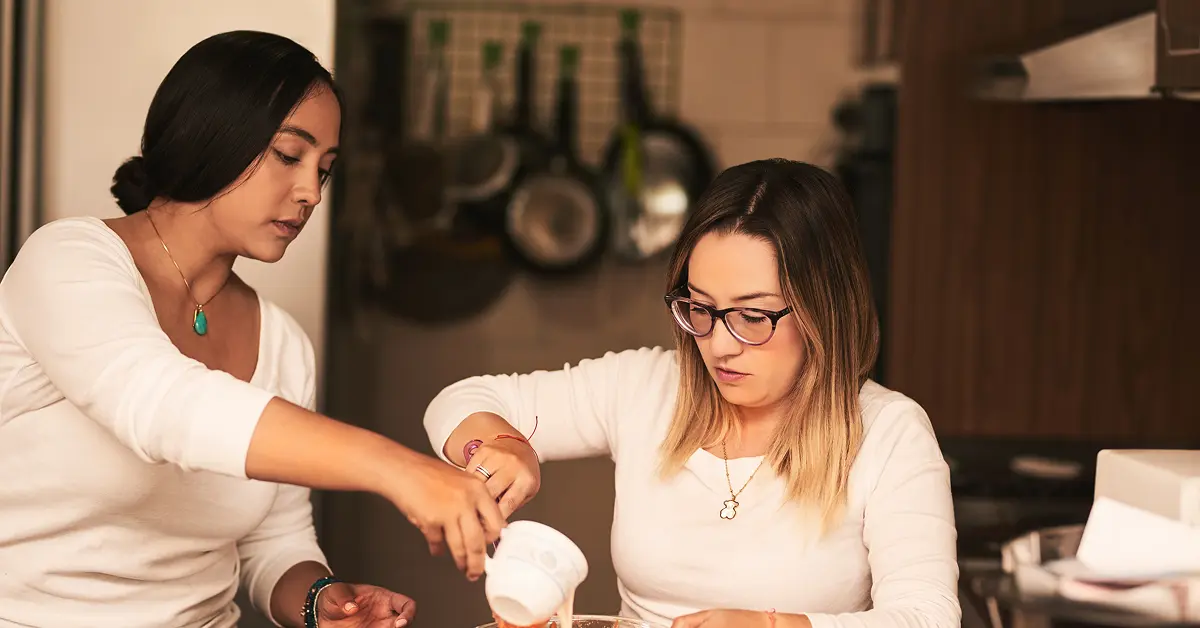
Proper medication management is one of the most critical responsibilities of a caregiver. In India, where many families rely on home caregivers for elderly or post-discharge Patient Care accuracy in medicine dosage can mean the difference between recovery and complications. Whether it's a senior managing chronic conditions or a child recovering from an illness, ensuring the right medicine is taken at the right time, in the right amount, is a non-negotiable task.
Here’s how professional caregivers ensure medicine dosage accuracy, along with tips families can use to support the process.
Understanding the Prescription Thoroughly
The first and foremost step for a caregiver is to understand the patient’s prescription completely. This includes:
- Name of the medicine
- Dosage (mg/ml)
- Frequency (once, twice, or thrice daily)
- Route (oral, injection, topical)
- Duration (how many days or weeks)
Most experienced caregivers are trained to read and interpret prescriptions written by Indian doctors, even if the handwriting is unclear. In complex cases, they confirm details with the doctor or pharmacist.
Creating a Medicine Schedule or Chart
Caregivers maintain a daily medicine schedule, usually displayed on a chart near the patient’s bed or inside the medicine cabinet. This chart contains:
- Time of administration (e.g., 8 AM, 2 PM, 8 PM)
- Name and dosage of the medicine
- Food instructions (before food/after food)
- Checkboxes to mark after giving each dose
Using Pill Organisers and Dosage Tools
Many Indian households now use pill organisers, which have separate compartments for days and times. These are pre-filled by caregivers or nurses weekly.
Caregivers also use:
- Syringes or droppers for liquid medications
- Measuring cups for syrups
- Gloves and applicators for creams and ointments
- Inhalers and spacers for asthma patients
Setting Alarms and Reminders
To maintain strict timing, caregivers often use:
- Mobile alarms
- Medication reminder apps (like Medisafe or Tata 1mg)
- Digital pill dispensers with alarms
This is especially helpful for medications that must be taken at odd hours, like insulin or painkillers.
Cross-checking Before Every Dose
Professional caregivers follow the “Five Rights” of medication every time:
- Right Patient
- Right Medicine
- Right Dose
- Right Time
- Right Route
They recheck the label on the medicine strip or bottle before each dose to avoid errors.
Coordinating With Doctors and Pharmacists
Caregivers coordinate with doctors to avoid drug interactions and clarify any confusion, especially when patients take a mix of Ayurvedic, allopathic, or homeopathic treatments.
Monitoring for Side Effects
They observe the patient closely after giving medicines, watching for signs like:
- Drowsiness or hyperactivity
- Rashes or allergies
- Vomiting or nausea
- Blood pressure or sugar changes
Keeping Records and Logs
Caregivers maintain daily logs that include:
- Medicines administered with timings
- Missed or refused doses
- Patient’s response
- Any side effects or symptoms
Preventing Missed Doses
They ensure patients are alert before administration and confirm whether doses were taken. If a dose is missed, it’s reported and rescheduled based on the doctor’s advice.
Safe Storage and Labelling
Caregivers make sure that:
- Medicines are stored as per instructions (e.g., refrigerated if needed)
- Expired medicines are discarded
- Clear labels are used for identification
- Medicines are kept out of reach of children or confused patients
Educating the Patient and Family
Caregivers often explain medicine names, purposes, side effects, and how to handle missed doses. This empowers the family to manage medication confidently during caregiver off-hours.
Following Infection Control While Handling Medicines
Cleanliness is crucial. Caregivers:
- Wash hands before handling medicine
- Use gloves when necessary
- Prevent contamination by not touching medicine directly
Conclusion
Medicine dosage accuracy is one of the most sensitive tasks in caregiving. With the rising demand for home healthcare in India, trained caregivers play a vital role in managing complex medication routines with professionalism and care.
By combining traditional attentiveness with modern tools like pill boxes, alarms, and digital reminders, caregivers help patients recover safely and comfortably at home.
Families should support caregivers by providing updated prescriptions, clear communication with doctors, and access to proper storage and tools. Together, they can ensure every dose contributes positively to the patient’s healing journey.
Contents
- Understanding the Prescription Thoroughly
- Creating a Medicine Schedule or Chart
- Using Pill Organisers and Dosage Tools
- Setting Alarms and Reminders
- Cross-checking Before Every Dose
- Coordinating With Doctors and Pharmacists
- Monitoring for Side Effects
- Keeping Records and Logs
- Preventing Missed Doses
- Safe Storage and Labelling
- Educating the Patient and Family
- Following Infection Control While Handling Medicines
- Conclusion
Our 24*7 services
Latest Posts
- What Is Respite Care and Why Is It Important
- Affordable home care for senior citizens in India
- Caring for Seniors with Dementia or Alzheimer's at Home
- Senior Caregiving A Guide for Every Family
- How to Write a Caregiver Resume That Gets You Hired
- How Care After Hospital Discharge Speeds Up Recovery at Home
- How to Get Home Health Care for Seniors Through Medicare
- What Does a Senior Citizen Caregiver Really Do at Home
- How to Care for Elderly Parents with Alzheimer’s or Dementia
- How to Get 24-Hour Care for Seniors at Home