Recovering after a hospital stay is often one of the most crucial phases in a patient’s healing journey. While medical treatments and surgeries provide the foundation for recovery, the period immediately after Hospital Discharge requires careful attention and continuous support. In India, where family plays an integral role in caregiving, the demand for professional home nursing and caregiving services has grown significantly. These services not only provide medical assistance but also ensure comfort, emotional stability, and safety for patients transitioning back to their homes.
Why Post-Hospital Care Is So Important
The period after hospital discharge is often marked by vulnerability. Patients may be weak, require medication management, or need help with mobility and daily activities. If not supported properly, they run the risk of complications, infections, or even hospital readmissions.
For example, a patient recovering from surgery needs wound care and physiotherapy, while a Senior Care Services discharged after a stroke may need continuous monitoring of vital signs and emotional support. Home nursing ensures that medical advice given by the doctor is followed strictly in the comfort of the patient’s own home.
What Is Home Nursing and Caregiving?
Home nursing refers to professional medical care provided by qualified nurses at the patient’s home. These services may include:
- Medication administration (injections, IV fluids, oral medicines)
- Post-surgical wound care
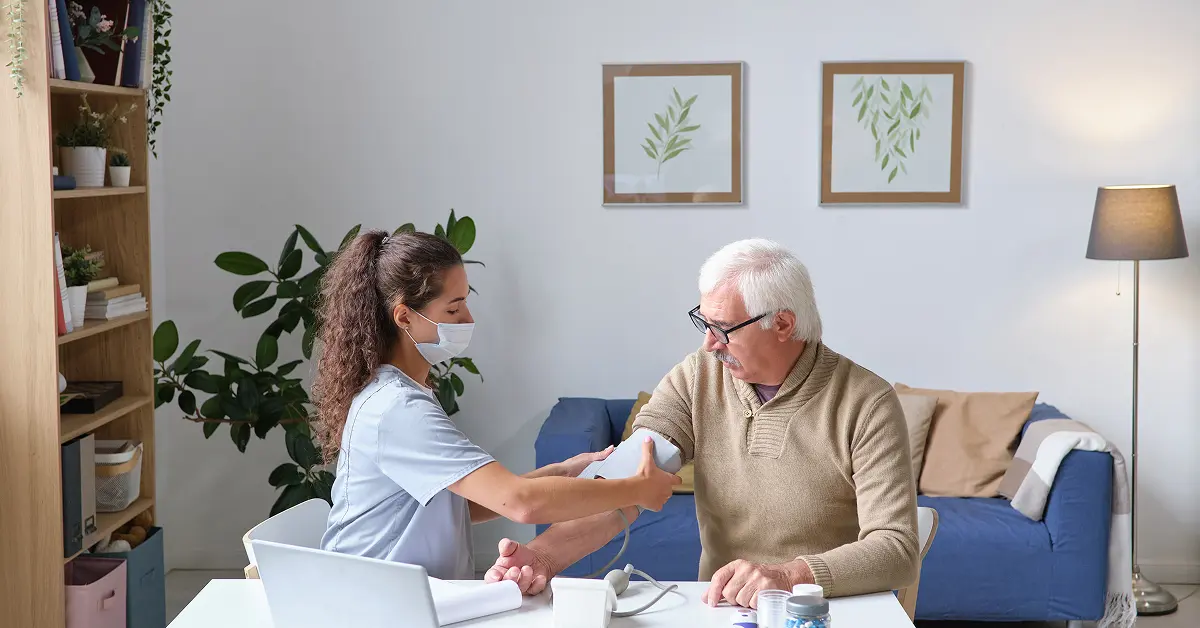
- Monitoring vital signs (blood pressure, temperature, oxygen levels)
- Physiotherapy support
- Specialized care for conditions like diabetes, cancer, stroke, or dementia
Caregiving, on the other hand, focuses more on daily assistance and companionship. Caregivers may not perform advanced medical tasks but they:
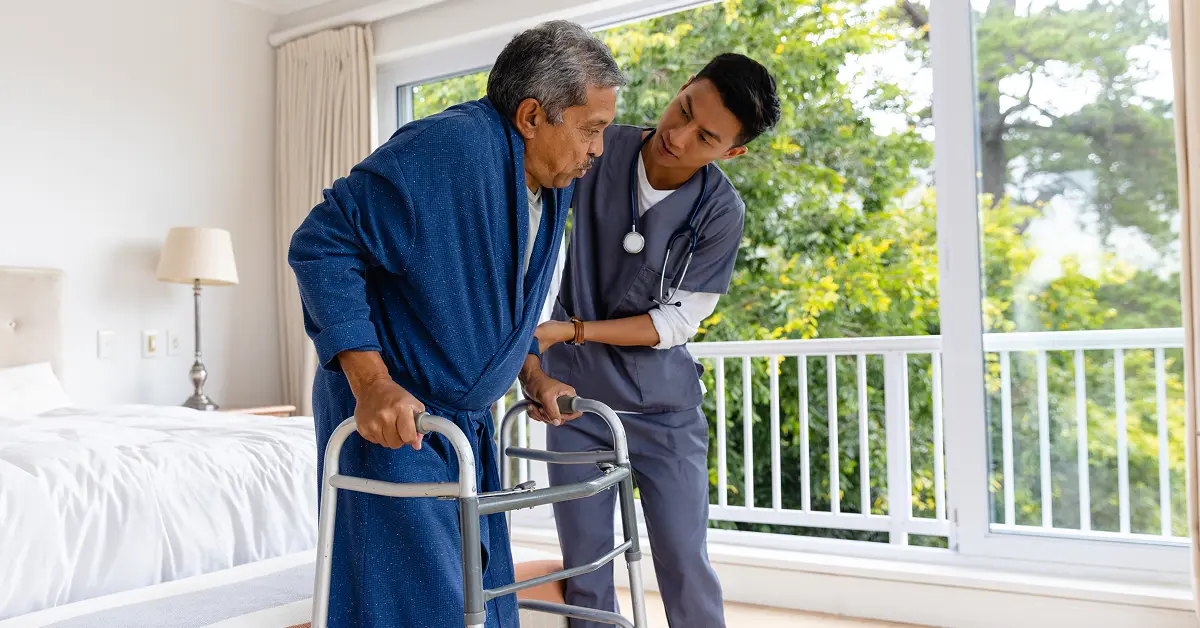
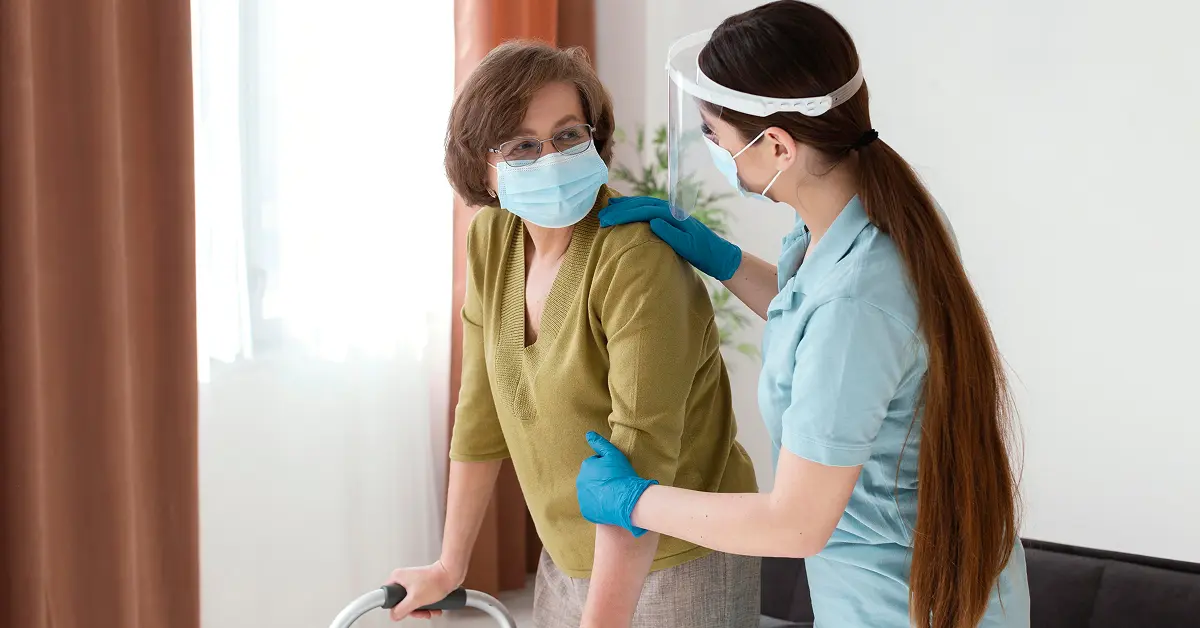
- Help patients with mobility, bathing, and grooming
- Assist in meal preparation as per dietary restrictions
- Ensure timely medication reminders
- Offer emotional support and companionship
- Provide safety supervision, especially for seniors
Together, home nurses and caregivers form a comprehensive support system for recovery.
Benefits of Home Nursing and Caregiving After Hospital Discharge
- Comfort of Home: Familiar surroundings reduce stress and accelerate recovery compared to extended hospital stays.
- Personalized Care: One-on-one care tailored to the patient’s condition and lifestyle.
- Reduced Risk of Infections: Controlled home environments lower infection risks.
- Cost-Effective Alternative: Affordable compared to long hospital stays.
- Family Involvement: Families can stay close and participate in recovery.
- Specialized Senior Care: Essential for India’s ageing population requiring ongoing support.
Common Scenarios Where Home Nursing Is Essential
- Post-Surgery Recovery: Dressing changes, pain management, and physiotherapy.
- Stroke Rehabilitation: Long-term physiotherapy and monitoring.
- Cancer Care: Palliative care, chemotherapy support, and pain relief.
- Chronic Illness Management: Ongoing support for conditions like diabetes and heart disease.
- Pediatric and Newborn Care: Support for mothers and babies post-discharge.
Role of Family in Post-Hospital Care
In Indian households, families traditionally take on caregiving responsibilities. However, due to work commitments, nuclear families, and lack of medical training, families often struggle to provide consistent care. By hiring professional caregivers or nurses, families can balance responsibilities while ensuring the patient receives the right medical attention.
Family members also play a crucial role by:
- Coordinating with doctors and nurses
- Providing emotional support
- Ensuring the home environment is safe and hygienic
- Monitoring the patient’s progress daily
Choosing the Right Home Nursing and Caregiving Service in India
- Check credentials and training of staff
- Look for experience in handling similar cases
- Availability of 24/7 support
- Customized care plans
- Transparent pricing
- Reviews and references from other families
Cost of Home Nursing and Caregiving in India
The cost depends on the city, duration of care, and type of service needed. On average:
- Home caregivers: ₹15,000 – ₹30,000 per month
- Qualified nurses: ₹20,000 – ₹50,000 per month
- Critical care at home: Higher but cost-effective compared to hospital ICU stays
The Future of Home Healthcare in India
With advancements in telemedicine, remote monitoring devices, and growing awareness about home care, India is witnessing a steady rise in demand for home nursing. Families now prefer to keep their loved ones at home with professional care rather than extending hospital stays unnecessarily.
Home nursing is not just about recovery—it is about dignity, comfort, and holistic healing. By combining medical expertise with emotional support, home healthcare is shaping the future of patient recovery in India.
Conclusion
Home nursing and caregiving after hospital discharge play an essential role in ensuring smooth recovery and preventing complications. For Indian families juggling responsibilities, professional home care services offer peace of mind and quality healthcare within the comfort of home.
Whether it’s a post-surgical patient, an Patient Care or someone with a chronic condition, home nursing bridges the gap between hospital treatment and independent living. By choosing the right service, families can give their loved ones the best chance at recovery, safety, and happiness.
Contents
- Why Post-Hospital Care Is So Important
- What Is Home Nursing and Caregiving?
- Benefits of Home Nursing and Caregiving After Hospital Discharge
- Common Scenarios Where Home Nursing Is Essential
- Role of Family in Post-Hospital Care
- Choosing the Right Home Nursing and Caregiving Service in India
- Cost of Home Nursing and Caregiving in India
- The Future of Home Healthcare in India
- Conclusion
Our 24*7 services
Latest Posts
- What Is Respite Care and Why Is It Important
- Affordable home care for senior citizens in India
- Caring for Seniors with Dementia or Alzheimer's at Home
- Senior Caregiving A Guide for Every Family
- How to Write a Caregiver Resume That Gets You Hired
- How Care After Hospital Discharge Speeds Up Recovery at Home
- How to Get Home Health Care for Seniors Through Medicare
- What Does a Senior Citizen Caregiver Really Do at Home
- How to Care for Elderly Parents with Alzheimer’s or Dementia
- How to Get 24-Hour Care for Seniors at Home