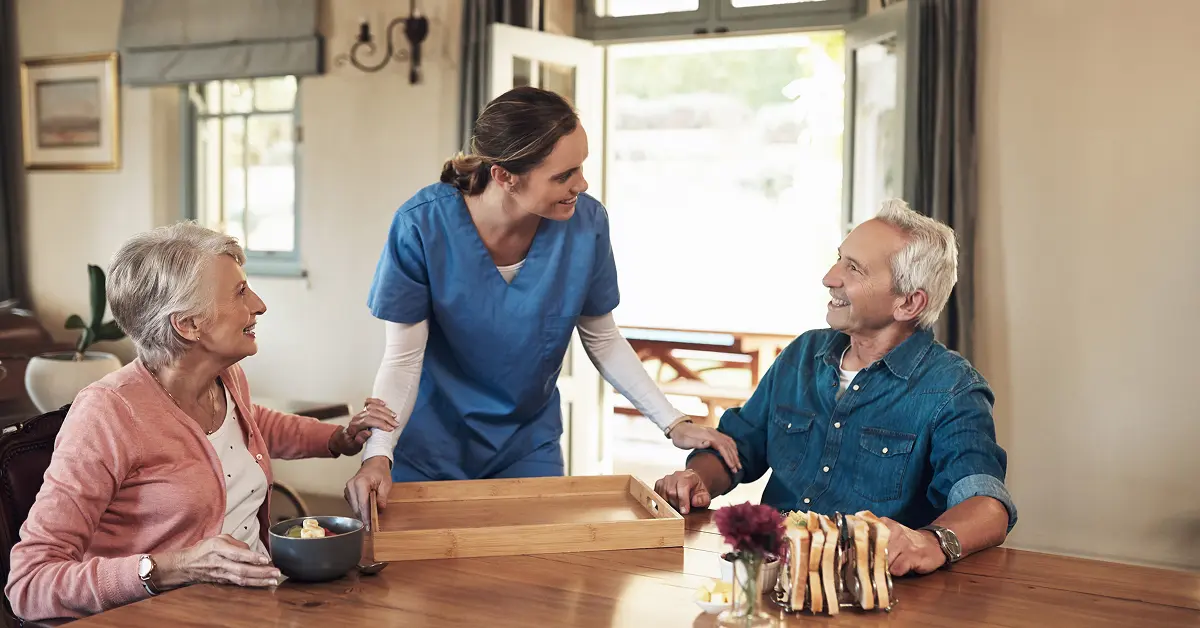
Falls are one of the leading causes of injury among Senior Care Services in India and globally. For aging adults living at home, even a minor fall can result in fractures, hospitalisation, or long-term disability. With India’s growing elderly population, fall prevention has become a vital part of caregiving at home.
Senior caregivers play an essential role in protecting the elderly from falls by using a combination of safety measures, health monitoring, and behavioural strategies. This blog explores the top fall prevention techniques employed by professional and family caregivers to help seniors live confidently and independently at home.
Why Fall Prevention Matters for Seniors
According to the World Health Organization (WHO), about 28-35% of people aged 65 and above fall each year. In India, with limited access to specialised elder care facilities, many seniors live at home under the supervision of caregivers. Falls can have serious consequences such as:
- Hip fractures and head injuries
- Loss of mobility
- Increased fear of movement
- Reduced independence
- Higher risk of hospitalization and long-term care
By actively engaging in fall prevention routines, caregivers can reduce these risks and improve the quality of life for the elderly.
Common Risk Factors for Falls in the Elderly
Understanding the root causes of falls is the first step to prevention. Senior caregivers are trained to identify and address the following risk factors:
- Poor vision or hearing
- Muscle weakness or balance issues
- Side effects of medications
- Chronic illnesses (e.g., arthritis, diabetes, hypertension)
- Cognitive impairments like dementia
- Slippery or cluttered home environments
- Lack of proper footwear or assistive devices
Home Safety Modifications for Fall Prevention
Decluttering and Organising Living Spaces
Caregivers ensure that the home is free from obstacles such as loose wires, furniture edges, or scattered items on the floor.
Installing Grab Bars and Handrails
Grab bars are placed in bathrooms, and handrails are installed on staircases to support mobility.
Improving Lighting
Motion-sensor lights and adequate lighting in key areas prevent trips during the night.
Non-Slip Flooring
Caregivers use anti-skid mats and grip tapes to reduce slip risk in bathrooms and kitchens.
Mobility Support and Physical Strengthening
Use of Walking Aids
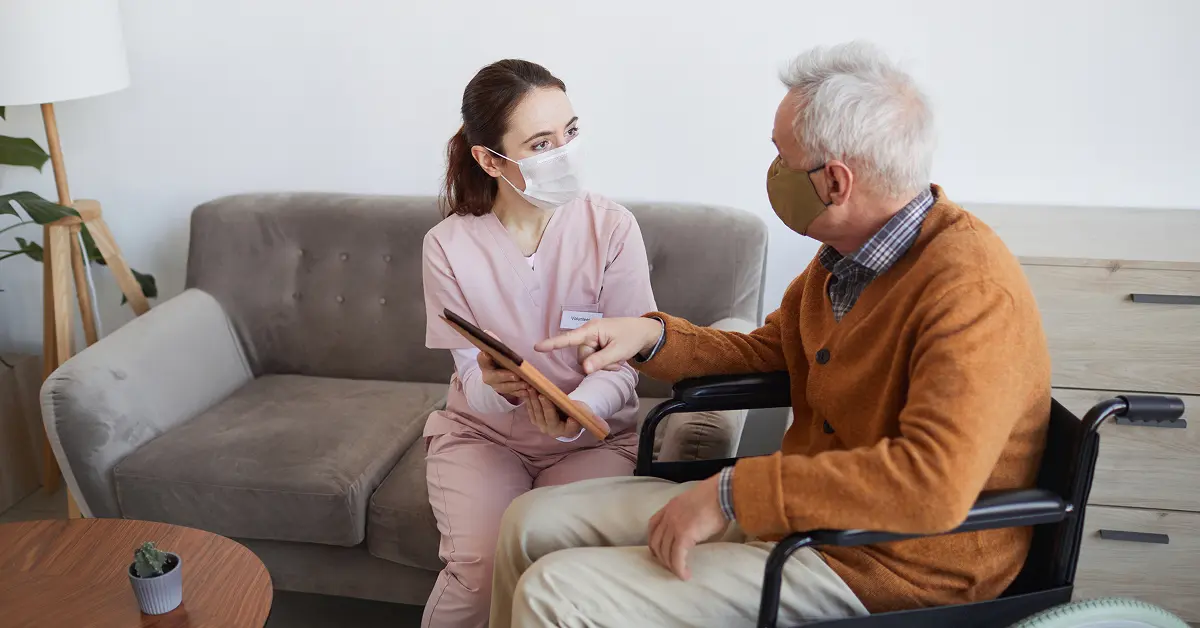
Walkers, canes, or wheelchairs are customised and consistently used under caregiver supervision.
Daily Exercise and Balance Training
Caregivers help seniors perform chair exercises, leg stretches, and gentle yoga to improve strength and balance.
Medication and Health Monitoring
Reviewing Medications
Caregivers monitor medication side effects and coordinate with doctors to adjust prescriptions when needed.
Managing Chronic Illnesses
Vital sign monitoring and dietary control help manage chronic conditions that affect balance.
Vision, Footwear, and Personal Hygiene
Encouraging Regular Eye Check-ups
Wearing prescribed glasses after routine check-ups ensures better visibility and reduces fall risk.
Ensuring Proper Footwear
Non-slip, well-fitted shoes are recommended over loose slippers.
Bathing and Dressing Assistance
Anti-slip mats, bathing chairs, and caregiver support during personal hygiene tasks improve safety.
Monitoring and Supervision Techniques
Fall Risk Assessments
Periodic evaluations help caregivers adjust the care plan according to new physical or cognitive limitations.
Real-Time Supervision
High-risk seniors are continuously monitored, especially during movement-heavy activities like bathing or climbing stairs.
Emergency Preparedness
Caregivers are trained in first aid and often use fall alarms or wearable alert systems for emergencies.
Psychological and Emotional Support
Reducing Fear of Falling
Encouragement and emotional reassurance from caregivers help seniors maintain an active lifestyle.
Encouraging Social Engagement
Participation in group activities or hobbies improves mental well-being and physical movement.
Family Education and Involvement
Training Family Members
Caregivers often educate family members on safe lifting, assisting, and supervising techniques to prevent accidents.
Conclusion
Fall prevention is not a one-time activity—it requires consistent effort, awareness, and support. Senior caregivers in India play a vital role in safeguarding the elderly by modifying the home environment, strengthening physical abilities, supervising risky activities, and providing emotional encouragement.
With rising numbers of older adults choosing to age at home, these strategies are more important than ever. Families that invest in trained caregivers or adopt these practices can ensure their loved ones stay safe, healthy, and independent.
Are you caring for a senior at home?
Implementing even a few of these fall prevention techniques can make a huge difference. Whether you hire a trained caregiver or manage care yourself, consistent safety practices are the key to fall-free, worry-free aging.
Contents
- Why Fall Prevention Matters for Seniors
- Common Risk Factors for Falls in the Elderly
- Home Safety Modifications for Fall Prevention
- Mobility Support and Physical Strengthening
- Medication and Health Monitoring
- Vision, Footwear, and Personal Hygiene
- Monitoring and Supervision Techniques
- Psychological and Emotional Support
- Family Education and Involvement
- Conclusion
Our 24*7 services
Latest Posts
- What Is Respite Care and Why Is It Important
- Affordable home care for senior citizens in India
- Caring for Seniors with Dementia or Alzheimer's at Home
- Senior Caregiving A Guide for Every Family
- How to Write a Caregiver Resume That Gets You Hired
- How Care After Hospital Discharge Speeds Up Recovery at Home
- How to Get Home Health Care for Seniors Through Medicare
- What Does a Senior Citizen Caregiver Really Do at Home
- How to Care for Elderly Parents with Alzheimer’s or Dementia
- How to Get 24-Hour Care for Seniors at Home