As our Parent Caregiver and grandparents age, staying engaged becomes as important as staying healthy. In India, where family ties are strong and elderly care is often a part of everyday life, ensuring our elders find joy and purpose is vital. Indoor hobbies provide an excellent way to keep seniors mentally active, emotionally satisfied, and physically involved, even without stepping outside the home.
Why Indoor Hobbies Matter for Elders
Engaging in hobbies is not just a way to pass time—it’s a method to combat loneliness, boost mental health, and keep the brain sharp. Especially after retirement or during health-related home rest, seniors may find themselves struggling with inactivity. Indoor hobbies like painting, knitting, gardening, reading, or playing a musical instrument can become powerful tools of emotional enrichment and cognitive stimulation.
Here are some compelling reasons why indoor hobbies are important for Indian seniors:
- Reduce feelings of loneliness: Many seniors face emotional isolation. Hobbies offer purpose and joy.
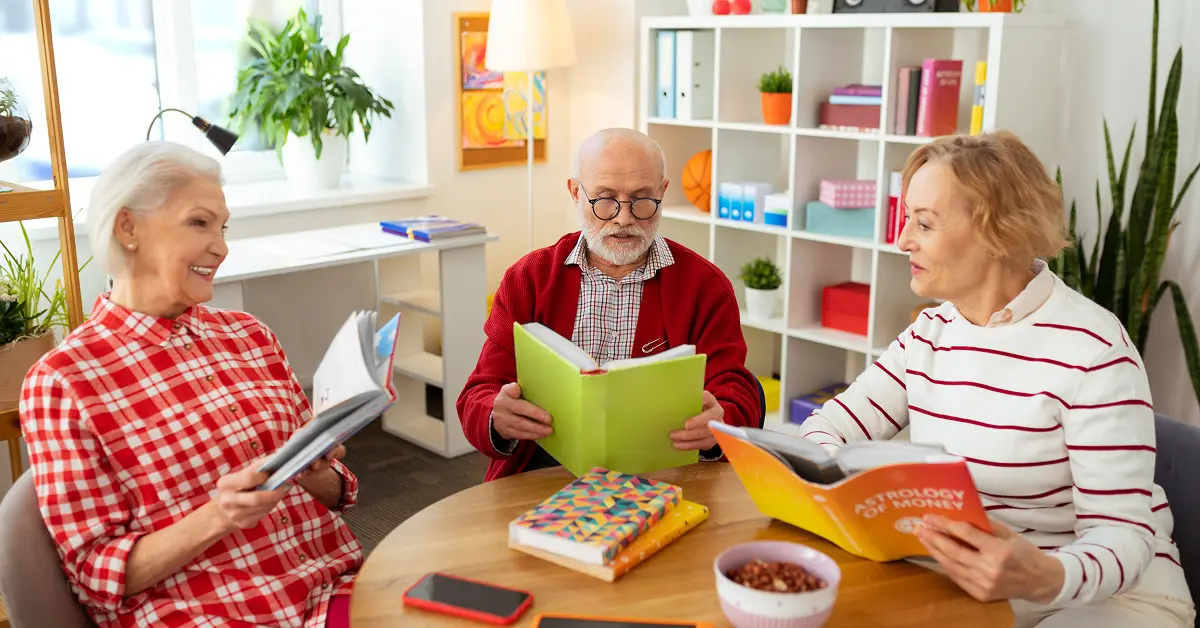
- Encourage social interaction: Group activities like indoor games or book clubs can enhance bonding.
- Improve mental health: Creativity and learning reduce risks of depression and memory loss.
- Enhance motor skills: Activities like stitching, puzzles, or drawing improve hand-eye coordination.
- Build routine: A daily hobby encourages structure, helping seniors stay active and alert.
Popular Indoor Hobbies for Indian Elders
There’s no one-size-fits-all solution. Hobbies must be chosen based on individual interest, mobility levels, and health conditions. Here are some indoor hobbies popular among elderly Indians:
Reading and Listening to Audiobooks
Books are timeless companions. Elders can revisit religious texts, historical novels, or spiritual writings. For those with poor eyesight, audiobooks in regional languages like Hindi, Tamil, or Bengali are now easily accessible online.
Gardening in Balconies
Even if there’s no garden, balcony gardening can be deeply fulfilling. Tending to tulsi, aloe vera, or even chillies in small pots gives a sense of achievement and a peaceful routine.
Art and Craft
Traditional Indian art forms like Madhubani, Warli, or simple colouring books can reignite creativity. Handicrafts like crochet, embroidery, or diya painting are soothing and can be done while seated comfortably.
Music and Bhajans
Encourage singing bhajans or listening to classical music. Playing the harmonium, tabla, or simply humming along can lift spirits and stimulate memory through rhythm and melody.
Indoor Games
Games like carrom, chess, ludo, or playing cards help sharpen memory and improve social bonding—perfect for joint family setups or when grandchildren are around.
Devotional Activities
Engaging in daily pooja, chanting, or reading from the Ramayana or Bhagavad Gita fosters peace of mind. In many Indian homes, spiritual routines are fulfilling hobbies in themselves.
Cooking or Recipe Sharing
If physically possible, seniors can enjoy light cooking or even just directing and sharing family recipes. Grandmothers teaching their secret pickle or mithai recipe is a memory in the making!
How to Encourage Your Elders to Take Up a Hobby
While many elders are willing to try new things, some may need a little nudge. Here are practical tips to help them explore hobbies with interest:
Understand Their Interests
Don’t impose a hobby. Have conversations—maybe they used to enjoy drawing, music, or sewing. Rekindling old interests often works best.
Make It Social
Connect your elders with others who have similar interests. Even weekly hobby video calls or local housing society groups can spark participation.
Provide the Right Materials
Get large-print books, soft-grip art tools, or indoor gardening kits to make it easy. Adapt to their physical comfort levels.
Celebrate Progress
Appreciate their creations—whether it’s a poem, painting, or a well-maintained plant. It builds confidence and motivation to continue.
Participate Together
When children or grandchildren participate, hobbies become bonding time. Helping Dadaji play chess or making ladoos with Dadi can create joyful memories.
Start Small
Don’t overwhelm them with too many choices. Begin with 10–15 minutes a day and let them ease into it at their pace.
Creating a Hobby-Friendly Home
Your home environment plays a big role in sustaining these activities. A few tweaks can go a long way:
- Designate a small corner or table for their hobby area.
- Ensure good lighting, especially near reading or craft areas.
- Keep materials like books, yarn, or instruments easily accessible.
- Encourage family to interact positively and avoid dismissive remarks about “timepass” activities.
Conclusion: Hobbies Are Not Just Leisure—They’re Therapy
Indoor hobbies are a powerful source of joy, dignity, and mental well-being for our elders. In Indian families, where elders are respected and loved, it's our responsibility to support their lifestyle beyond physical health. Helping them find happiness in small daily pleasures can uplift their spirits and reduce dependency.
Whether it’s gardening in a small pot, chanting morning bhajans, or knitting a sweater for a grandchild, each activity adds colour and meaning to their days. Let’s not just care for our elders—let’s help them thrive with purpose and passion.
Contents
Our 24*7 services
Latest Posts
- What Is Respite Care and Why Is It Important
- Affordable home care for senior citizens in India
- Caring for Seniors with Dementia or Alzheimer's at Home
- Senior Caregiving A Guide for Every Family
- How to Write a Caregiver Resume That Gets You Hired
- How Care After Hospital Discharge Speeds Up Recovery at Home
- How to Get Home Health Care for Seniors Through Medicare
- What Does a Senior Citizen Caregiver Really Do at Home
- How to Care for Elderly Parents with Alzheimer’s or Dementia
- How to Get 24-Hour Care for Seniors at Home