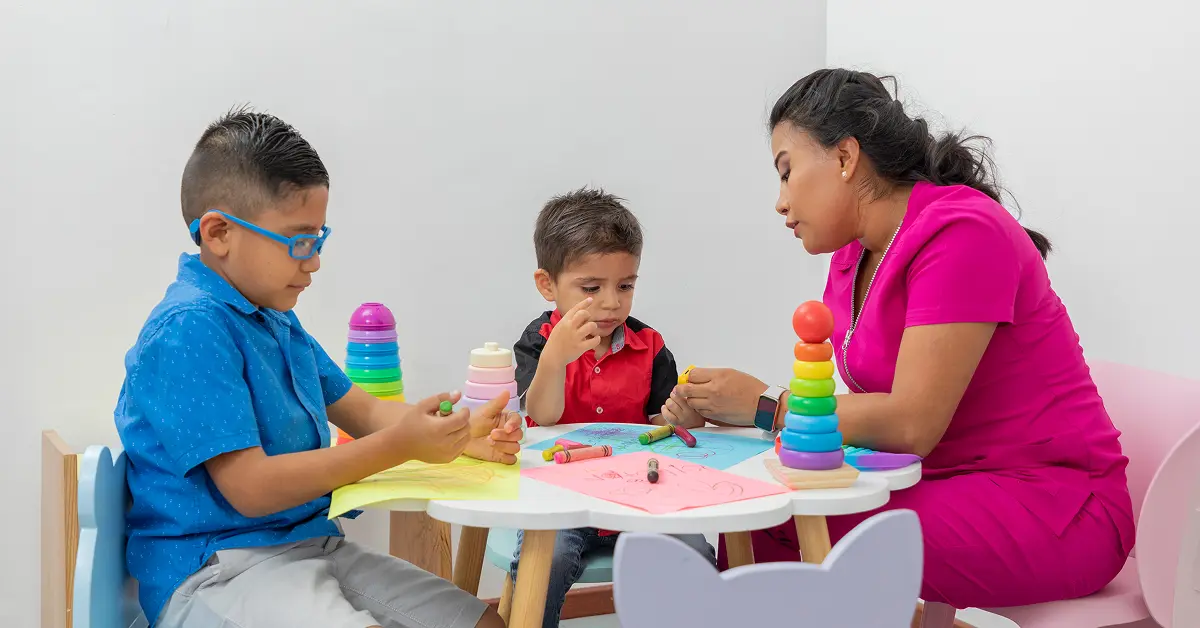
In today’s fast-paced world, parenting has become more challenging than ever. Juggling professional commitments and personal life while ensuring your child receives quality care can be overwhelming. While traditional daycare centers have been the go-to solution for working parents, in-home baby care specialists are emerging as a trusted and flexible alternative. These professionals bring personalized attention, a safe environment, and customized routines directly to your home, offering peace of mind to parents and a nurturing experience for babies.
Understanding In-Home Baby Care
In-home Baby Care Services specialists are trained professionals who provide childcare services in the comfort of your own home. Unlike traditional daycare centers where multiple children are cared for simultaneously, in-home care focuses exclusively on your child’s needs. These specialists are skilled in handling infants and toddlers, ensuring a safe, clean, and stimulating environment that supports early development.
Whether you are a working parent, a single parent, or someone looking for extra support during early parenthood, in-home baby care offers a tailored approach that addresses both the child’s and the family’s requirements.
Benefits of In-Home Baby Care Specialists
Personalized Attention
Every child is unique, with distinct routines, preferences, and developmental milestones. In-home baby care specialists can design personalized care plans that cater specifically to your child. From feeding schedules to nap times, playtime, and learning activities, every aspect is tailored to your child’s needs, ensuring a nurturing and consistent environment.
Flexible Scheduling
Unlike daycare centers, which operate on fixed hours, in-home baby care allows for flexible scheduling. Parents can choose full-time, part-time, or even hourly care depending on their needs. This flexibility is particularly useful for working professionals, parents with irregular shifts, or families who require occasional assistance during busy days.
Comfort of Home Environment
Babies are most comfortable in familiar surroundings. In-home care eliminates the need for daily commuting to daycare centers, reducing stress for both parents and infants. The familiar environment helps babies feel secure, promoting emotional stability and better sleep patterns.
Health and Safety Focus
In-home baby care specialists maintain strict hygiene standards, reducing the risk of infections that are more common in daycare settings. Parents can monitor the environment and routines directly, knowing that their child is in a clean and safe space. Moreover, these specialists are trained to respond to emergencies and first aid situations, adding an extra layer of safety.
Early Learning and Development
Many in-home baby care specialists incorporate early learning activities into daily routines. From sensory stimulation and motor skill development to language-building exercises, your child receives attention that encourages growth and cognitive development. Unlike larger daycare centers where one-on-one interaction is limited, in-home care ensures that learning activities are customized and engaging.
Stronger Parent-Child Bond
Since care is provided in the home, parents remain actively involved in their child’s routine. In-home specialists often communicate regularly about the child’s progress, allowing parents to participate in decision-making regarding developmental milestones and care strategies. This collaboration strengthens the parent-child bond and fosters trust and emotional security.
Choosing the Right In-Home Baby Care Specialist
Finding the perfect in-home care professional requires careful consideration. Here are some tips for selecting a qualified specialist:
- Check Credentials: Look for certifications in infant care, early childhood education, or nursing. Experience with infants and toddlers is essential.
- Conduct Interviews: Meet potential caregivers in person. Assess their communication skills, understanding of child development, and ability to handle emergencies.
- Ask for References: Speak with previous clients to understand their experience and satisfaction levels.
- Observe Interaction: Watch how the caregiver engages with your child during trial sessions. Comfort, patience, and nurturing behavior are critical.
- Clear Agreement: Set expectations regarding hours, responsibilities, emergency protocols, and remuneration to avoid misunderstandings.
Integrating In-Home Care into Your Family Routine
Transitioning to in-home baby care requires thoughtful planning to ensure it complements your family’s routine.
- Gradual Introduction: Start with shorter hours and gradually increase as the baby becomes comfortable.
- Consistent Communication: Maintain daily logs or regular updates to stay informed about your child’s activities, meals, and milestones.
- Collaborative Routine: Align feeding, sleeping, and play schedules with the caregiver to maintain consistency.
- Feedback Loop: Encourage open discussions with the specialist about your child’s progress and any adjustments needed in care routines.
Common Concerns and How to Address Them
Safety and Trust
It is natural for parents to be cautious about allowing someone into their home to care for their child. Background checks, certifications, and references are essential to building trust. Additionally, spending initial days observing interactions helps ensure compatibility.
Cost Factor
While in-home baby care may seem costlier than daycare centers at first glance, the value of personalized attention, flexibility, and reduced commuting costs can make it a worthwhile investment. Parents can choose part-time or hourly care to suit their budget while still benefiting from professional assistance.
Social Interaction
Some parents worry about reduced socialization opportunities in home care. In-home specialists often incorporate playdates, group activities, or visits to parks, ensuring that babies develop social skills while enjoying personalized attention.
The Growing Trend in India
With increasing awareness about early childhood development, more Indian parents are considering in-home baby care specialists. Urban centers like Mumbai, Delhi, Bengaluru, and Hyderabad have seen a surge in demand for professional caregivers who can provide safe, customized care. This trend reflects a shift towards quality over quantity, where parents prioritize personalized care and emotional well-being over traditional daycare enrollment.
Conclusion
Daycare alternatives, such as in-home baby care specialists, offer a practical, safe, and nurturing solution for modern parents. By combining personalized attention, flexible scheduling, a safe environment, and developmental support, these professionals help ensure that your child thrives while giving parents peace of mind.
Investing in in-home baby care is not just about convenience; it’s about creating a secure, stimulating, and loving environment for your child to grow and flourish. For parents seeking an alternative to crowded daycare centers, in-home baby care specialists provide a dependable, compassionate, and child-centric option.
Choosing the right specialist requires careful consideration, but the rewards—a happy, healthy, and well-cared-for child—are immeasurable. With the growing popularity of in-home care across India, parents can now enjoy professional childcare without compromising on comfort, safety, or quality.
Contents
Our 24*7 services
Latest Posts
- What Is Respite Care and Why Is It Important
- Affordable home care for senior citizens in India
- Caring for Seniors with Dementia or Alzheimer's at Home
- Senior Caregiving A Guide for Every Family
- How to Write a Caregiver Resume That Gets You Hired
- How Care After Hospital Discharge Speeds Up Recovery at Home
- How to Get Home Health Care for Seniors Through Medicare
- What Does a Senior Citizen Caregiver Really Do at Home
- How to Care for Elderly Parents with Alzheimer’s or Dementia
- How to Get 24-Hour Care for Seniors at Home