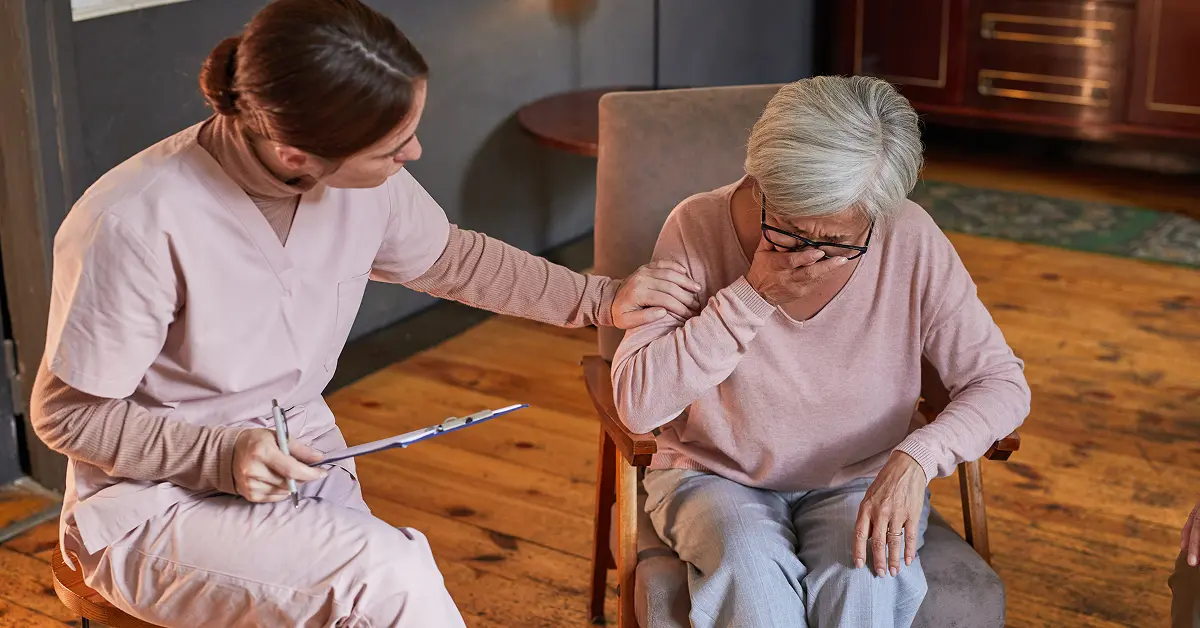
As the population of seniors continues to grow, the importance of providing compassionate Elderly Care Services that supports independent living has never been greater. Many seniors wish to maintain their autonomy, continue living in their own homes, and preserve their dignity while receiving the care they need. Independent living for the elderly is not just about providing medical assistance; it’s about creating an environment that promotes physical, emotional, and social well-being.
Understanding Independent Living for Seniors
Independent living for seniors refers to a lifestyle in which older adults can perform daily activities on their own with minimal assistance, while still having access to support when needed. Unlike nursing homes or assisted living facilities that provide extensive care, independent living emphasizes freedom, choice, and self-sufficiency. Seniors in independent living arrangements can manage their personal care, engage in social activities, and maintain their routines with confidence.
The Role of Compassion in Elderly Care
Compassion is at the heart of effective elderly care. Providing compassionate care means more than just addressing physical needs; it involves understanding the emotional and psychological requirements of seniors. Caregivers who demonstrate empathy, patience, and respect can significantly improve the overall quality of life for older adults. Compassionate care fosters trust, reduces feelings of isolation, and encourages seniors to remain active and engaged in their communities.
Benefits of Compassionate Elderly Care
Offering compassionate care for seniors has numerous benefits:
- Enhanced Physical Health: Regular assistance with daily activities, exercise routines, and medical management helps seniors maintain optimal health.
- Mental Well-being: Emotional support, companionship, and meaningful interactions reduce stress, anxiety, and depression among the elderly.
- Social Engagement: Opportunities for socialization, hobbies, and community activities prevent isolation and encourage an active lifestyle.
- Independence and Dignity: Respecting seniors’ choices and autonomy promotes a sense of control and self-worth.
Services That Support Independent Living
Modern elderly care services are designed to help seniors live independently while ensuring safety and well-being. Some of the key services include:
- Home Assistance: Help with housekeeping, meal preparation, laundry, and other household tasks to reduce physical strain.
- Medical Support: Medication reminders, health monitoring, and coordination with healthcare providers to manage chronic conditions.
- Personal Care: Assistance with bathing, dressing, and grooming, provided with dignity and respect.
- Transportation Services: Reliable transport for medical appointments, shopping, and social engagements to maintain independence.
- Social and Recreational Activities: Programs that encourage social interaction, mental stimulation, and physical activity.
Creating a Safe Environment for Seniors
Safety is a critical aspect of independent living for older adults. Homes can be modified to reduce risks of falls and accidents, such as installing grab bars, improving lighting, and eliminating trip hazards. In addition, technology like emergency alert systems and wearable health monitors ensures that seniors can receive help quickly when needed. A safe and supportive environment allows seniors to maintain their independence confidently.
Encouraging Autonomy and Choice
True independent living goes beyond physical support; it’s about empowering seniors to make their own decisions. Caregivers should respect seniors’ preferences regarding daily routines, dietary choices, hobbies, and social activities. Encouraging autonomy helps seniors feel valued, promotes self-esteem, and strengthens their sense of purpose. Compassionate caregivers act as partners in supporting independence rather than imposing control.
The Importance of Emotional Support
Emotional well-being is a crucial component of overall health. Many seniors experience feelings of loneliness, loss, or anxiety, especially when living alone. Compassionate elderly care addresses these emotional needs by providing companionship, attentive listening, and encouragement. Group activities, social clubs, and community engagement opportunities further enhance emotional health and reduce the risk of depression.
Family Involvement in Independent Living
Families play a vital role in supporting seniors’ independent living. Regular communication, visits, and involvement in decision-making help maintain strong family bonds. Compassionate care services often collaborate with family members to ensure that the needs and preferences of seniors are met while providing guidance and support to caregivers. A collaborative approach strengthens trust and ensures continuity of care.
Choosing the Right Elderly Care Provider
Selecting a professional care provider requires careful consideration. Look for caregivers or agencies that demonstrate a commitment to compassion, experience, and personalized service. Reading reviews, checking certifications, and arranging trial periods can help families find the right match. A reliable elderly care provider ensures that seniors can live independently while receiving the support they need to thrive.
Conclusion
Compassionate elderly care for independent living is about more than providing assistance—it’s about enhancing the quality of life, fostering dignity, and promoting autonomy. By combining professional support, emotional engagement, and a safe environment, seniors can enjoy a fulfilling and active lifestyle. Families and caregivers who prioritize compassion and respect help seniors maintain their independence, stay socially connected, and live their golden years with confidence and joy.
Investing in compassionate care ensures that seniors not only live longer but live better, with dignity, independence, and happiness at the forefront of their daily lives.
Contents
- Understanding Independent Living for Seniors
- The Role of Compassion in Elderly Care
- Benefits of Compassionate Elderly Care
- Services That Support Independent Living
- Creating a Safe Environment for Seniors
- Encouraging Autonomy and Choice
- The Importance of Emotional Support
- Family Involvement in Independent Living
- Choosing the Right Elderly Care Provider
- Conclusion
Our 24*7 services
Latest Posts
- What Is Respite Care and Why Is It Important
- Affordable home care for senior citizens in India
- Caring for Seniors with Dementia or Alzheimer's at Home
- Senior Caregiving A Guide for Every Family
- How to Write a Caregiver Resume That Gets You Hired
- How Care After Hospital Discharge Speeds Up Recovery at Home
- How to Get Home Health Care for Seniors Through Medicare
- What Does a Senior Citizen Caregiver Really Do at Home
- How to Care for Elderly Parents with Alzheimer’s or Dementia
- How to Get 24-Hour Care for Seniors at Home