Discover essential caregiver training methods to ensure home safety for seniors and Patient Care Learn skills that prevent accidents and promote independent living.
Introduction
In India, the trend of home healthcare is rapidly growing, particularly for the elderly and those with chronic illnesses or post-operative needs. As more families choose in-home care, the demand for trained caregivers who can ensure not just comfort but also safety within the home becomes vital. Caregiver training isn't just about basic support—it’s about proactively managing potential risks and maintaining a safe environment tailored to the patient’s health condition and mobility levels.
In this blog, we explore essential caregiver training methods that focus on creating a safer home environment for patients, especially the elderly and disabled. From fall prevention and emergency preparedness to medication management and hygiene control, proper training empowers caregivers to prevent accidents and protect lives.
Why Home Safety Training Is Crucial for Caregivers
Home safety goes beyond cleaning floors and locking doors. For caregivers, it includes anticipating risks like slippery tiles, poor lighting, loose rugs, and medication errors. Without structured training, even well-meaning caregivers may miss signs of hazards that can lead to injuries, infections, or mental stress for patients.
According to the National Crime Records Bureau and WHO statistics, falls are one of the leading causes of injury among the elderly in India. Most of these falls occur in the home. This makes caregiver training a non-negotiable requirement for safe caregiving.
Key Training Areas for Caregivers to Ensure Home Safety
Fall Prevention Techniques
- Identifying slippery surfaces, loose carpets, and sharp-edged furniture.
- Using non-slip mats in bathrooms and placing grab bars near toilets and showers.
- Assisting patients while walking, especially when using walkers or canes.
- Conducting regular mobility assessments to adapt routines accordingly.
Practical simulations help caregivers understand how to safely lift patients or assist them during transfers between bed and chair without injury.
Emergency Response and First Aid
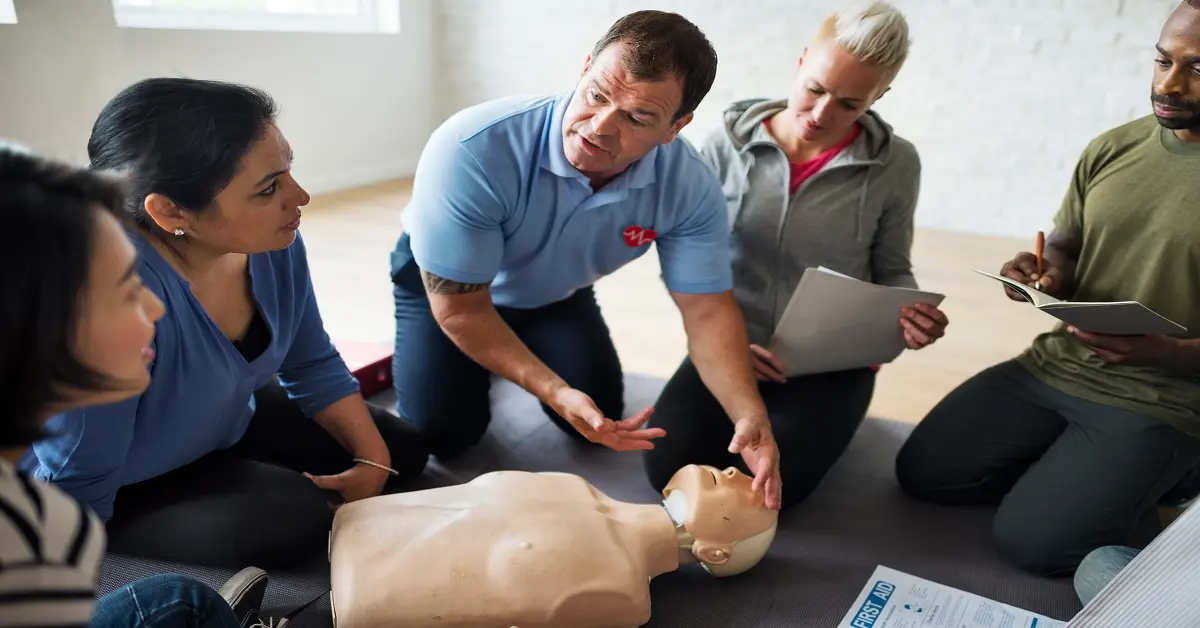
- CPR and basic first aid training.
- Emergency drills for fire, electric shock, and falls.
- Knowledge of emergency contact protocols (doctors, hospitals, family).
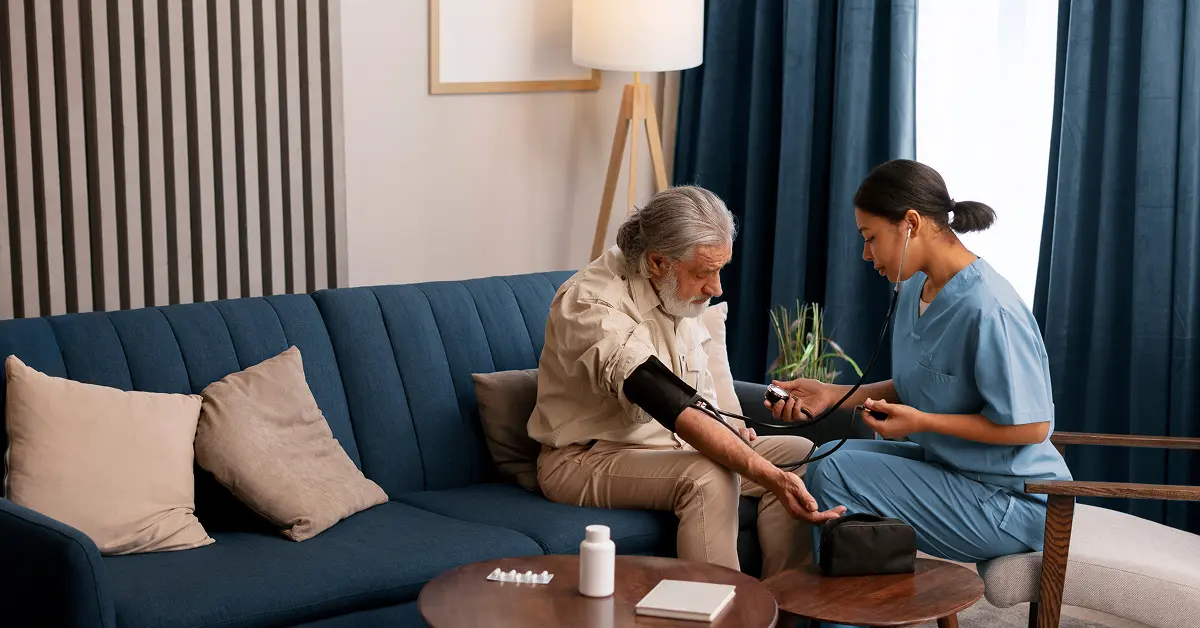
- Training to use medical equipment like oxygen cylinders, BP monitors, and glucometers.
In Indian households, where power outages and water issues are common, caregivers are also trained to adapt quickly to such disruptions to maintain patient safety.
Medication Safety and Dosage Accuracy
- Reading prescriptions accurately.
- Keeping a detailed medicine log with dosage, time, and side effects.
- Understanding interactions between different medications.
- Using alarms or pill organizers to prevent missed doses.
Caregivers are also taught to communicate with family and doctors regularly if a patient shows signs of side effects or skips medication.
Safe Handling of Medical Equipment
- Setting up and maintaining medical devices.
- Cleaning and sterilising reusable equipment.
- Identifying equipment malfunctions and reporting them immediately.
- Safely disposing of medical waste like syringes or dressings.
Proper Hygiene and Sanitation Practices
- Proper handwashing techniques before and after patient interaction.
- Bathing and changing procedures to avoid bedsores.
- Cleaning high-touch surfaces and patient surroundings daily.
- Safe food and water handling practices.
In Indian homes, where multiple generations may live together, this also includes training caregivers to prevent cross-contamination.
Home Hazard Assessments
- Conduct room-by-room safety checks.
- Recommend changes like improved lighting, raised toilet seats, or motion sensors.
- Recognise early signs of patient distress linked to environmental issues like humidity or room temperature.
Mental Health and Emotional Safety
- Building empathetic communication.
- Spotting signs of depression, anxiety, or cognitive decline.
- Creating routines that reduce patient stress.
- Providing companionship and mental stimulation.
A safe home is one where the patient feels secure, respected, and emotionally supported.
Popular Caregiver Training Methods in India
Several agencies across India offer both online and offline training modules. These typically include:
- Classroom Training: Basic theoretical knowledge on anatomy, patient rights, and caregiving ethics.
- Practical Labs: Simulated hospital/home setups to practice real-life situations.
- Home Internships: Trainee caregivers are placed under supervision in real households.
- Certification Exams: Caregivers must demonstrate skills in first aid, equipment handling, and emergency care.
NGOs and vocational training centres also offer free or low-cost training for women seeking employment as caregivers, often in partnership with government skill development missions.
How Families Can Support Safe Caregiving
- Provide Clear Medical Records: Keep updated files easily accessible for caregivers.
- Invest in Safety Aids: Buy non-slip mats, support bars, and motion sensor lights.
- Communicate Regularly: Weekly updates between family and caregiver help in monitoring progress.
- Encourage Training: Sponsor further training if necessary for advanced conditions like dementia or paralysis.
Conclusion
Caregivers are not just helping hands—they are the first line of defence against household accidents, health relapses, and emotional distress in patients. Through structured training that covers fall prevention, first aid, medication management, hygiene, and emotional care, caregivers can transform homes into safe healing environments.
As India continues to age and more families prefer in-home care, the importance of well-trained caregivers will only grow. Investing in their training ensures not just safety but peace of mind for everyone involved.
Contents
Our 24*7 services
Latest Posts
- What Is Respite Care and Why Is It Important
- Affordable home care for senior citizens in India
- Caring for Seniors with Dementia or Alzheimer's at Home
- Senior Caregiving A Guide for Every Family
- How to Write a Caregiver Resume That Gets You Hired
- How Care After Hospital Discharge Speeds Up Recovery at Home
- How to Get Home Health Care for Seniors Through Medicare
- What Does a Senior Citizen Caregiver Really Do at Home
- How to Care for Elderly Parents with Alzheimer’s or Dementia
- How to Get 24-Hour Care for Seniors at Home