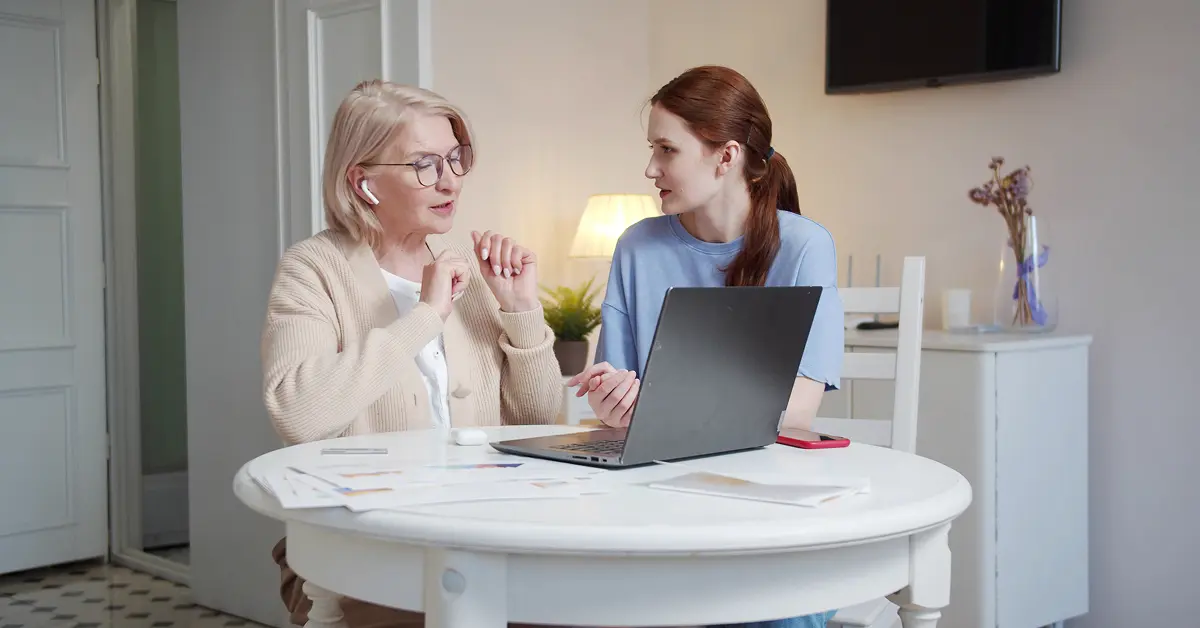
Trust is the foundation of every successful caregiving relationship—especially when it involves Parent Caregiver In India, where families often rely on professional caregivers for ageing parents, communication plays a vital role in establishing emotional security and mutual respect. Whether you're a hired caregiver or a family member stepping into the caregiving role, your ability to communicate effectively will determine how comfortable, cooperative, and trusting your parents feel under your care.
Let’s explore some practical and culturally relevant communication tips to improve trust between caregivers and elderly parents.
Start with Respectful Introductions
When a caregiver begins working with a parent—especially in Indian households—first impressions matter greatly. Many elders are hesitant to accept help from "outsiders," so respectful introductions set the tone for mutual understanding.
Practice Active Listening
Elderly parents often feel ignored or spoken over, especially if they’re dealing with age-related memory issues or cognitive decline. Active listening helps them feel heard and respected.
How to apply active listening:
- Maintain eye contact when they speak.
- Avoid interrupting.
- Repeat back key points to confirm understanding.
Example: “Toh aap keh rahe hain ki aapko subah chai bina adrak pasand nahi hai?”
Speak Slowly, Clearly, and Kindly
Many seniors face hearing issues or have trouble processing fast speech. To avoid frustration on both sides, keep your tone patient and calm.
Do: Use simple Hindi or regional language they are comfortable with.
Example: Instead of saying, "I’m here to monitor your blood pressure," say, "Main aapka blood pressure roz check karne aaya hoon. Yeh aapki sehat ke liye zaroori hai."
Be Honest and Transparent
Older adults, especially in India, often feel vulnerable when decisions are made without their input. Whether it's about food, medication, or schedules—transparency builds credibility.
Example: "Doctor ne bola hai ki yeh dawai dinner ke baad lena hai. Kya aapko abhi leni pasand hai ya thodi der baad?"
Involve Family Members for Support
In Indian households, elders often trust familiar family faces more than outsiders. A caregiver who communicates regularly with family members and keeps them in the loop gains trust faster.
How to do it:
- Share updates about the parent’s health.
- Consult family for decisions.
- Ask family to reinforce your role as a supportive caregiver.
Use Non-Verbal Communication Effectively
Sometimes, a gentle smile, a warm hand on the shoulder, or calm body language can communicate more than words.
Non-verbal tips:
- Smile gently when greeting.
- Nod to show agreement.
- Avoid crossed arms or hurried movements.
Establish a Routine and Communicate It
Seniors thrive on predictable routines, and communicating these clearly reduces anxiety. Let them know what to expect during the day.
Example: "Aaj hum 10 baje chai piyenge, 11 baje aapka walk hai, aur 1 baje lunch. Kya yeh aapko theek lagta hai?"
Handle Resistance with Empathy
If a parent refuses to take medicine or go for a walk, don’t argue or show frustration. Try to understand the underlying cause—fear, confusion, discomfort.
Empathetic response: "Main samajh sakta hoon ki aap thak gaye ho. Chaliye, thoda aaram kar lete hain, fir walk par chalte hain."
Respect Cultural and Religious Beliefs
For many Indian elders, spiritual rituals and cultural practices are deeply important. Disrespecting or ignoring these can damage trust.
Celebrate Small Victories Together
Trust also grows when caregivers become part of the family’s emotional journey. Celebrate small wins—a successful checkup, a good day without pain, or completing a walk.
Final Thoughts
Building trust with ageing parents through caregiver communication is not a one-time effort—it’s a daily practice of kindness, listening, and empathy. Especially in India, where relationships and emotional connection matter immensely, taking time to genuinely engage with parents pays off in better cooperation, fewer conflicts, and happier homes.
Whether you’re a professional caregiver or a family member, use these communication tips to enhance trust, create a peaceful environment, and make caregiving a joyful experience for everyone involved.
Contents
- Start with Respectful Introductions
- Practice Active Listening
- Speak Slowly, Clearly, and Kindly
- Be Honest and Transparent
- Involve Family Members for Support
- Use Non-Verbal Communication Effectively
- Establish a Routine and Communicate It
- Handle Resistance with Empathy
- Respect Cultural and Religious Beliefs
- Celebrate Small Victories Together
- Final Thoughts
Our 24*7 services
Latest Posts
- What Is Respite Care and Why Is It Important
- Affordable home care for senior citizens in India
- Caring for Seniors with Dementia or Alzheimer's at Home
- Senior Caregiving A Guide for Every Family
- How to Write a Caregiver Resume That Gets You Hired
- How Care After Hospital Discharge Speeds Up Recovery at Home
- How to Get Home Health Care for Seniors Through Medicare
- What Does a Senior Citizen Caregiver Really Do at Home
- How to Care for Elderly Parents with Alzheimer’s or Dementia
- How to Get 24-Hour Care for Seniors at Home